
How Long Do Veneers Last?
Dental veneers are one of the most popular cosmetic dentistry treatments for creating a brighter, more symmetrical smile. Whether you choose porcelain, E-max, zirconia, ceramic, or composite veneers, one of the first questions most patients ask is, "How long do veneers last?"
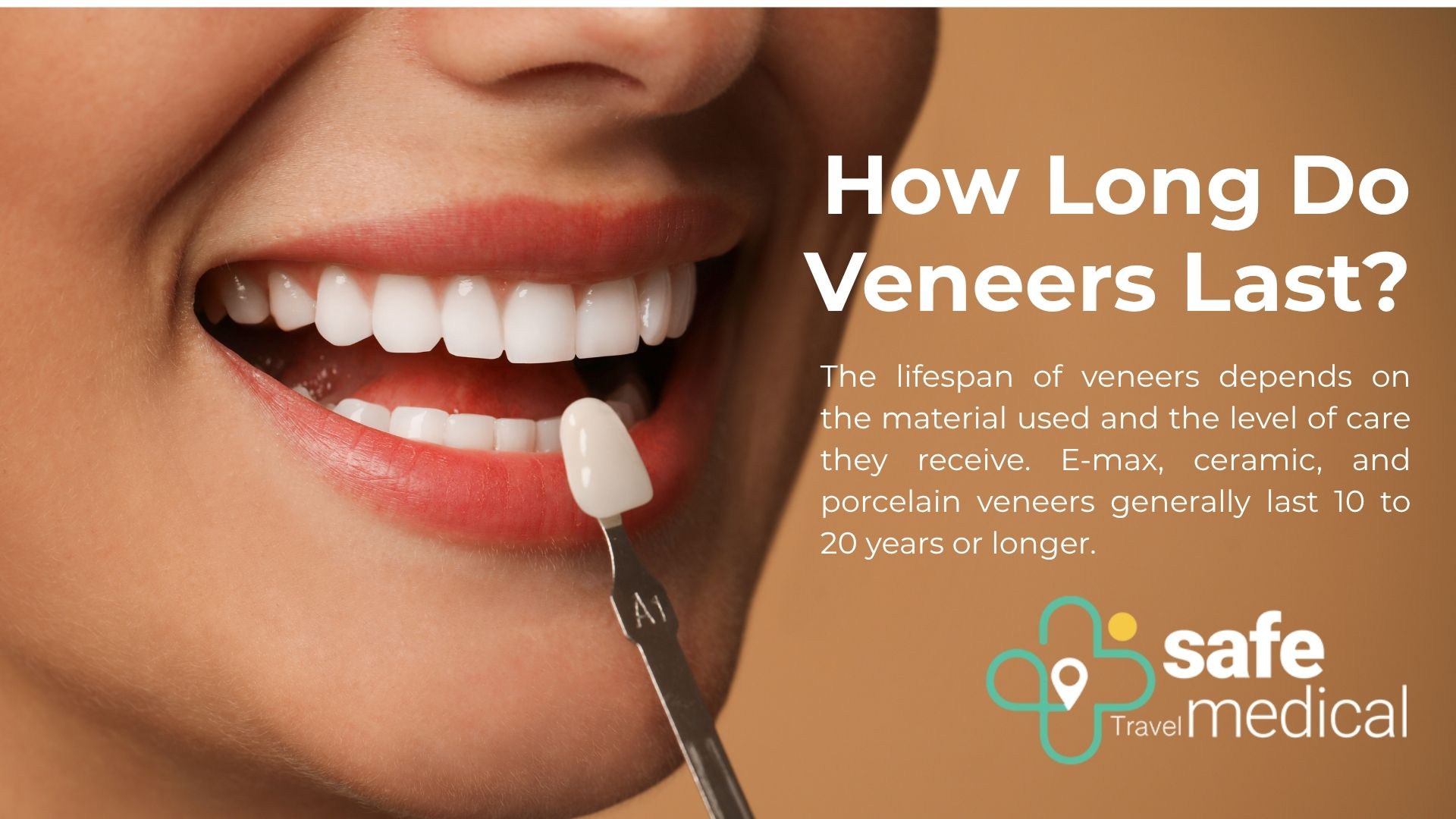
The answer depends on several factors, including the material used, the quality of the bonding procedure, your bite, and how well you care for your teeth. While veneers are designed to provide long-lasting results, they are not permanent restorations and will eventually need replacement.
In this guide, we explain the average lifespan of every major veneer type, the factors that influence their durability, and the best ways to maximize their longevity.
What are veneers?
Dental veneers are thin, custom-made shells designed to cover the front surface of teeth. They are bonded to the front of the teeth to improve their shape, colour, size, and overall appearance. This is a far more conservative operation than crowns in dentistry, which require reduction of the entire tooth. This is because only a minimal amount of healthy tooth structure is usually removed during veneer preparation, and in some cases, no tooth reduction is required at all.
Benefits and Functions of Dental Veneers:
Aesthetic masking:
They are used as a mask to hide stubborn discoloration (tetracycline stains, fluorosis, etc.) or cracks, minor fractures, or gaps between teeth (diastema).
Natural appearance:
Modern porcelain materials mimic the light-reflecting, absorbing, and transmitting (fluorescence) qualities of natural tooth enamel very closely for a natural, lifelike appearance.
Types of Veneer Materials:
Usually they are made of two major materials:
- Porcelain (Ceramic): Very strong, durable, and very resistant to stains. It gives the most natural result.
- Composite resin: A more affordable alternative and generally completed in one visit but more likely to stain and break down than porcelain.
Ultra-thin "contact lens" veneers
Ultra-thin models are called this way because they can be applied without any grinding of the tooth, and thanks to technical progress, their thickness may be decreased to as little as 0.3 mm (the thickness of a fingernail).
Are veneers permanent?
The answer to the question, ‘Are veneers permanent?’ has two sides. The two aspects to consider are the reversibility of the treatment and the longevity of the restoration.
Permanence as an irreversible process:
Enamel preparation: For traditional application of the veneer, a layer of tooth enamel of roughly 0.3 mm to 0.7 mm is removed. Doing this removes the enamel permanently, changing the natural structure of the tooth. These teeth now need a restoration (a new veneer or crown) for life to safeguard them. In this respect, veneer treatment is an irreversible and intrusive medical operation.
Longevity of the restoration (life span):
Veneers are classed as a ‘permanent’ treatment, but they are not genuinely restorations that will last a lifetime and will need to be updated over time.
What affects the durability of veneers?
The durability and clinical lifespan of dental veneers (tooth laminates) depend on a range of factors, from the choice of material to the patient’s daily habits. The key factors determining this lifespan are as follows:
Material quality and type:
One of the most important factors is the material used. Porcelain veneers (particularly E-max/lithium disilicate) are significantly more durable than composite resins and maintain color stability.
Bonding surface (enamel vs. dentin):
How firmly the veneer adheres to the tooth directly affects its lifespan. Bonding to the tooth enamel is much stronger and more predictable than bonding to the dentine layer. Preserving the enamel tissue can increase the success rate; because when the enamel is lost and the dentine is exposed, the tooth becomes 200% more flexible, which increases the risk of the porcelain fracturing.
Dental expertise and precision in practice:
Correct tooth preparation, precise impression-taking, and error-free bonding (cementation) protocols require technical precision. Veneers that are incorrectly positioned or have poor marginal adaptation can lead to leakage and gum problems, thereby shortening the lifespan of the restoration.
Occlusion and biting forces:
The way the teeth close together determines the stress on the porcelain. If the patient has bruxism (teeth grinding) or their teeth close 'edge-to-edge,' the risk of veneers cracking or becoming dislodged is significantly higher.
Lifestyle and diet:
Smoking may not stain the porcelain itself but can cause discoloration at the bonding margins. Furthermore, a diet excessively high in acid can cause tooth erosion, thereby weakening the underlying support.
How to make your veneers last longer?
To maximize the lifespan of your veneers and protect your investment, we recommend following these professional care tips:
- Oral hygiene routine: You should brush your teeth at least twice a day using a soft-bristled toothbrush and a non-abrasive toothpaste. Using dental floss is vital, particularly to prevent plaque build-up and secondary decay along the edges of your veneers.
- Use of a protective night guard: If you clench your teeth while sleeping, using a night guard custom-made by your dentist is your most important defense against excessive stress and breakage of the porcelain.
- Avoid using your teeth as a ‘tool’: Habits such as opening packets, biting your nails, chewing on a pen, or crunching ice create sudden and excessive stress on the porcelain, which can lead to fractures.
- Adjusting dietary habits: You should avoid cracking very hard-shelled foods (such as nuts and walnuts) with your front teeth. Instead of biting into hard fruits (such as apples), cutting them into slices reduces the load on the veneers. It is also recommended that you rinse your mouth with water after consuming staining drinks such as coffee and red wine.
- Regular check-up appointments: You should visit your dentist every six months for a professional clean and to have the integrity of the veneer edges checked. This allows any minor issues (such as a leak or slight wear) to be detected early, enabling intervention without the need for a complete replacement of the restoration.
How long do composite veneers last?
Composite veneers generally have a shorter lifespan than porcelain options, lasting between 5 and 10 years with proper care. Although modern composite resins are highly durable, they may discolor over time due to food stains or smoking and may lose their surface smoothness.
How long do porcelain veneers last?
Porcelain veneers can generally last for 10–15 years, and in many cases, even up to 20–25 years without any problems. Clinical studies report that the 10-year survival rate for porcelain veneers is between 91% and 95%, while the 15-year survival rate is approximately 85%. This longevity is due to porcelain’s non-porous structure, which makes it highly resistant to staining, and its ability to bond to tooth enamel with exceptional strength when correctly applied.
How long do Emax veneers last?
E-max veneers are made from lithium disilicate glass ceramic and typically last 15 years or longer. Thanks to their exceptional strength and natural appearance, they are one of the most popular veneer materials. Compared with conventional porcelain, lithium disilicate is approximately 2.5 times more resistant to fracture, making E-max veneers an excellent long-term solution.
How long do ceramic veneers last?
The clinical lifespan of ceramic veneers, including feldspathic porcelain and glass ceramics, generally ranges from 10 to 15 years. Long-term clinical studies report survival rates of approximately 91% to 94% over a 12-year period. One of the most important factors influencing their longevity is preserving as much healthy enamel as possible during tooth preparation. Bonding primarily to enamel is associated with significantly higher long-term success rates than bonding to dentine.
How long do zirconia veneers last?
Zirconia veneers are one of the most durable options, particularly for patients exposed to excessive chewing forces or those with bruxism (teeth grinding), and they typically have a lifespan of at least 15 years. Clinical experience and studies show that zirconia restorations, when fitted by a qualified specialist, can remain in the mouth for 15 to 20 years or longer. Zirconia stands out as one of the ‘longest-lasting’ options due to its superior resistance to mechanical stress compared to all other dental ceramics.
Porcelain vs. Composite veneers
- Durability: While porcelain veneers can last 15–25 years, composites usually require repair or replacement within 5–10 years.
- Stain resistance: As porcelain surfaces are glass-like and smooth, they are highly stain-resistant; composites, however, may discolor over time due to food.
- Application: Composites are usually shaped directly onto the tooth in a single visit (bonding), whereas porcelain veneers are custom-made in a laboratory.
- Aesthetics: Porcelain perfectly mimics the light-reflecting properties of natural teeth, whereas composites may have a more opaque appearance.
How long do veneers last on front teeth?
Veneers applied to the front teeth serve both an aesthetic and a functional purpose, and the lifespan of porcelain veneers in this area is generally between 10 and 20 years. The patient’s daily habits regarding the use of their front teeth are the single biggest factor directly affecting their lifespan; for example, behaviors such as bruxism (teeth grinding), nail-biting, chewing ice, or tearing hard foods with the front teeth can significantly shorten the lifespan of the porcelain. Front-tooth veneers designed with ideal proportions and correct occlusion (bite) can retain their original vibrancy for over 20 years with good oral hygiene.
Conclusion
Dental veneers remain one of the most predictable and effective cosmetic dentistry treatments for improving the appearance of your smile. Depending on the material selected, porcelain, E-max, ceramic, and zirconia veneers can often last between 10 and 25 years when properly maintained, while composite veneers generally provide excellent results for 5 to 10 years.
Although veneers are not lifetime restorations, choosing the right material, following good oral hygiene, and visiting your dentist regularly can help them last for decades. A personalised treatment plan is the best way to achieve long-lasting, natural-looking results.
Choosing an experienced cosmetic dentist, preserving healthy enamel, maintaining excellent oral hygiene, and attending regular dental check-ups are the most important factors affecting the longevity of your veneers.
If you are considering veneers in Turkey, a comprehensive consultation with an experienced cosmetic dentist will help determine which material is most suitable for your smile, bite, and long-term expectations.
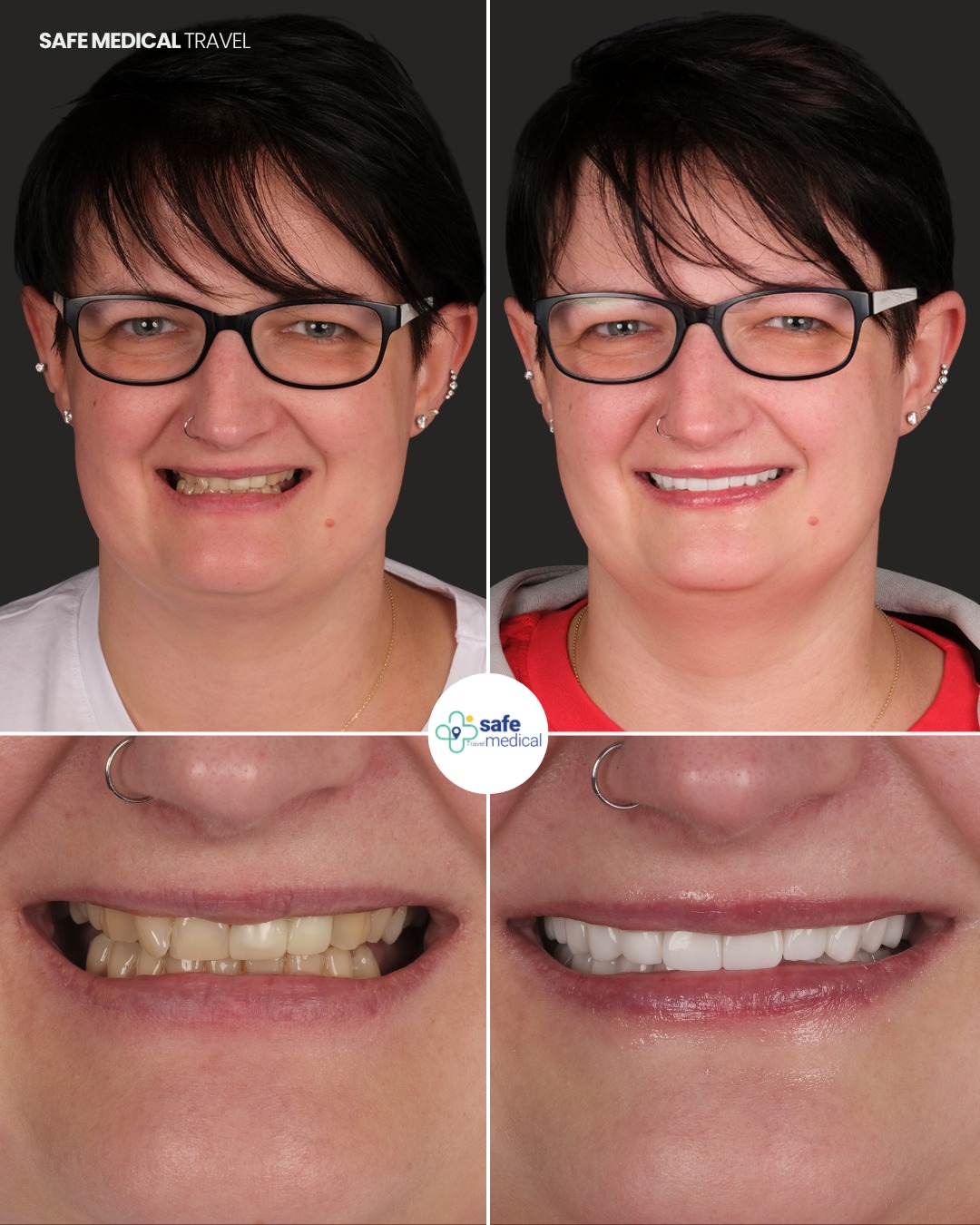
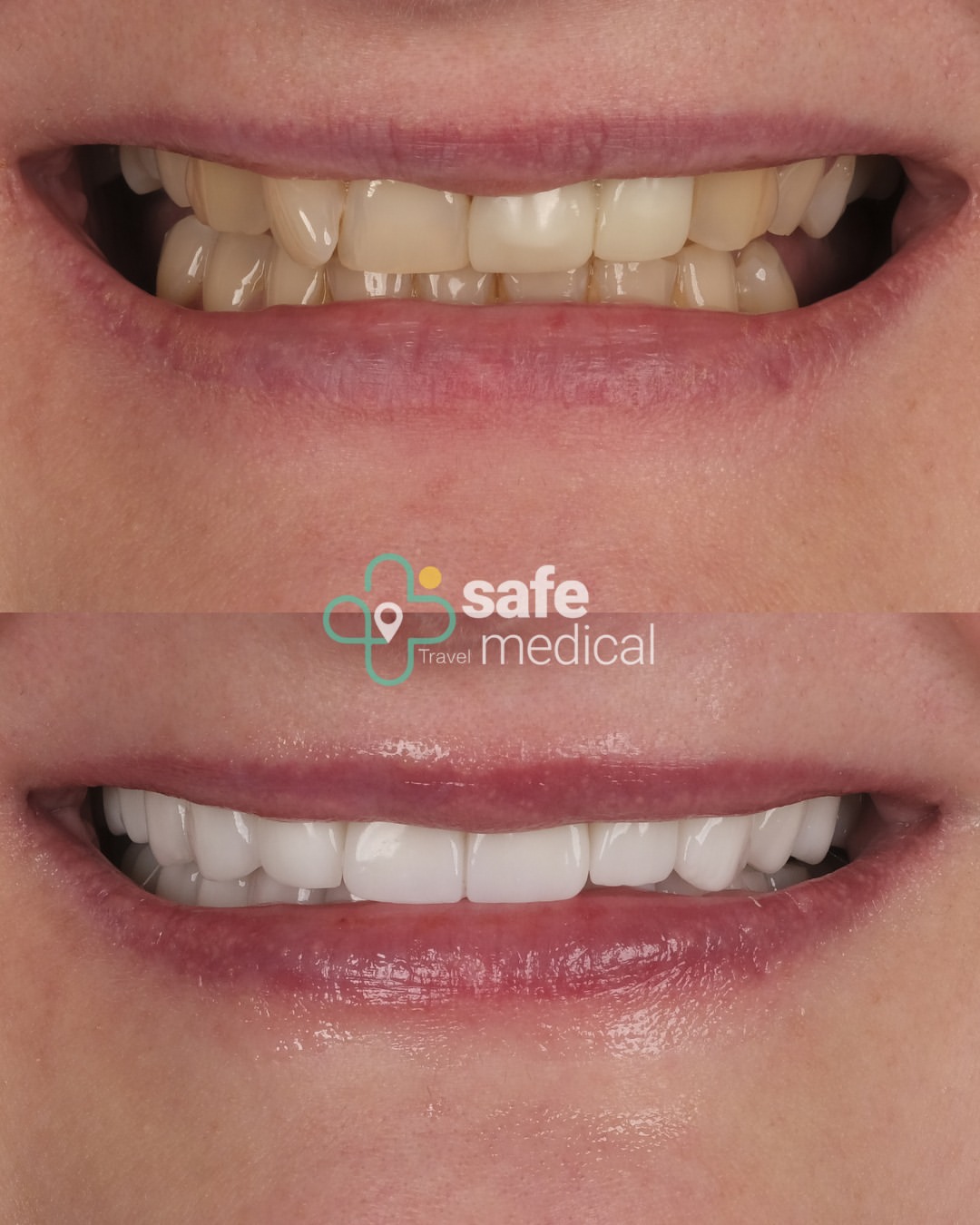
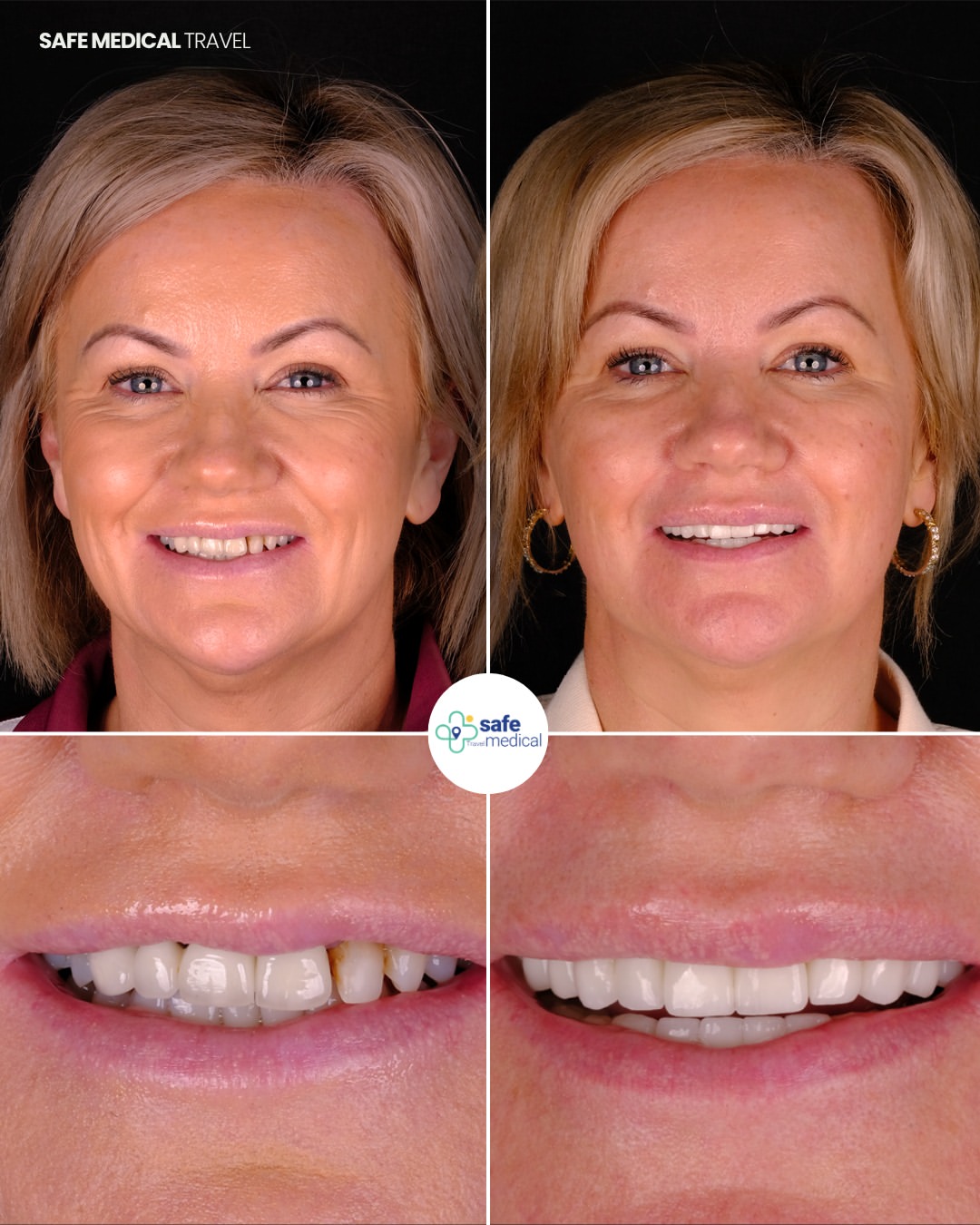
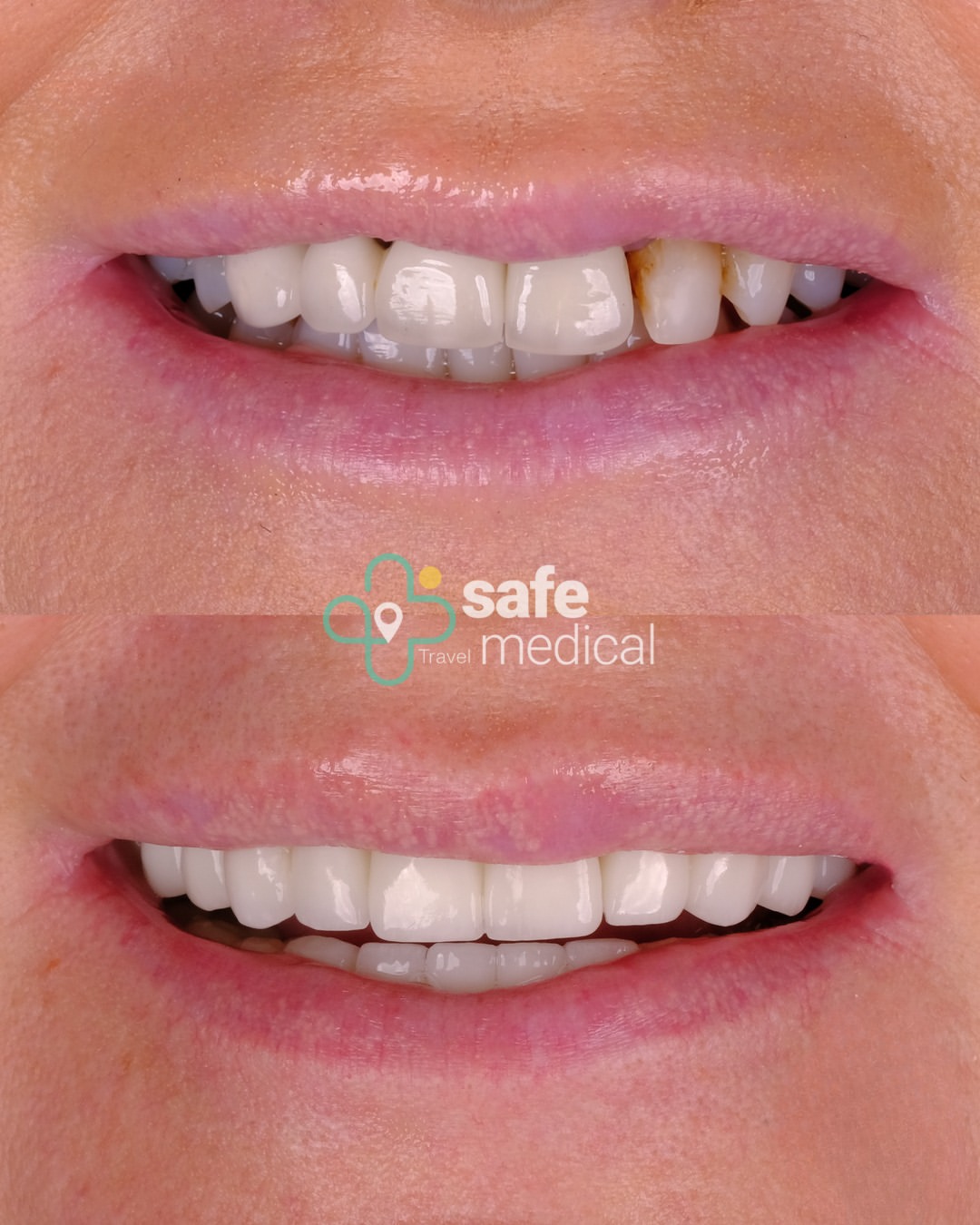
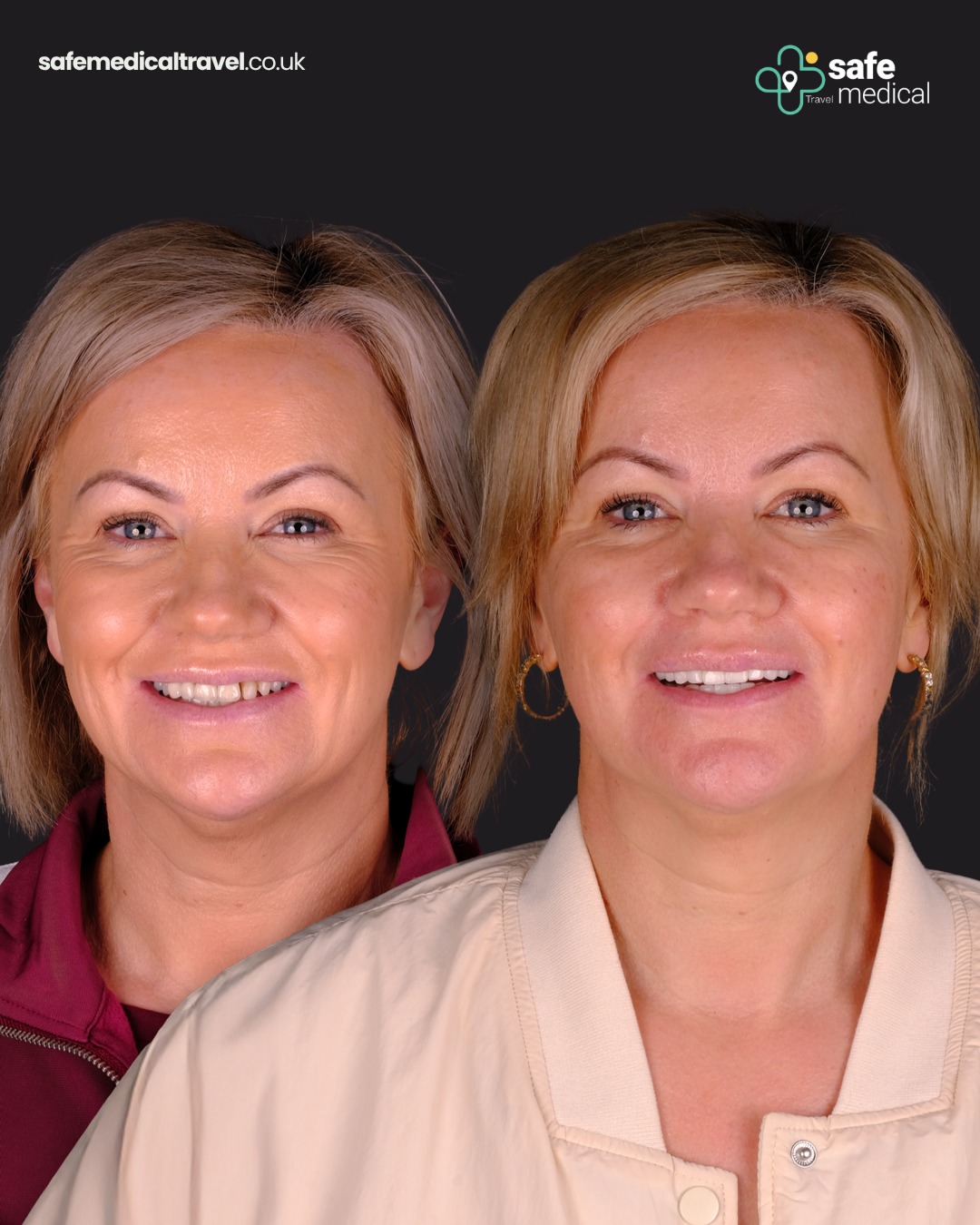
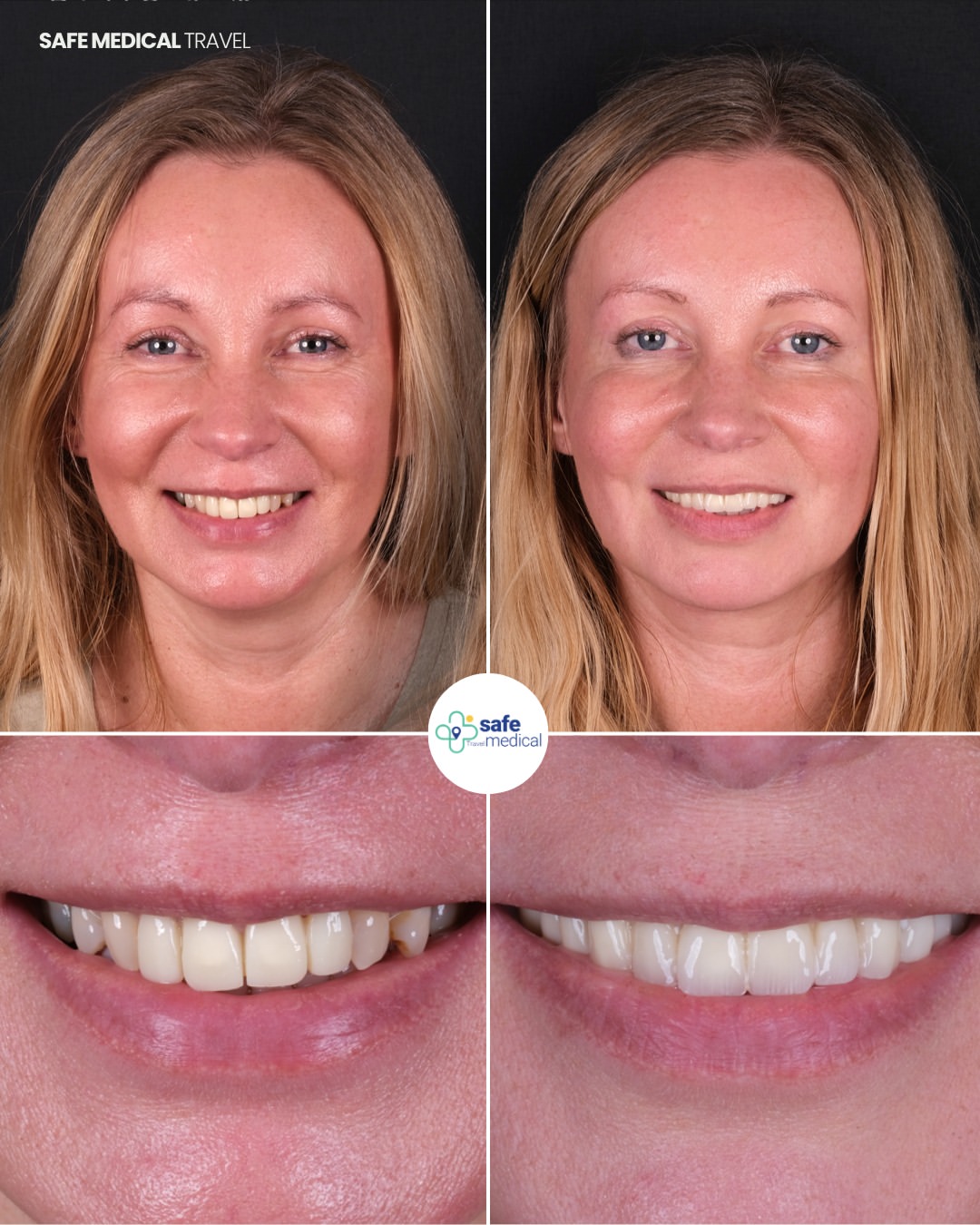
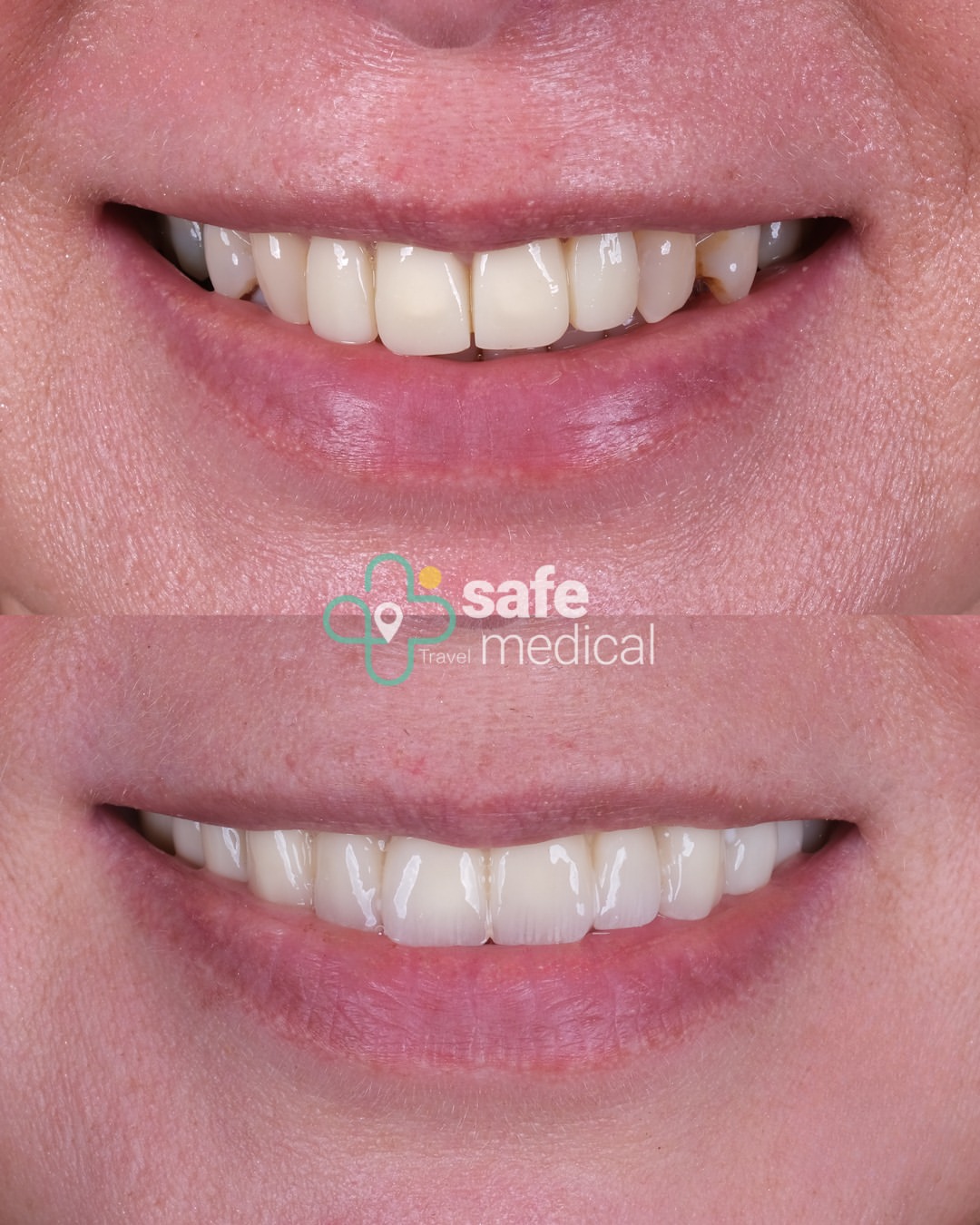
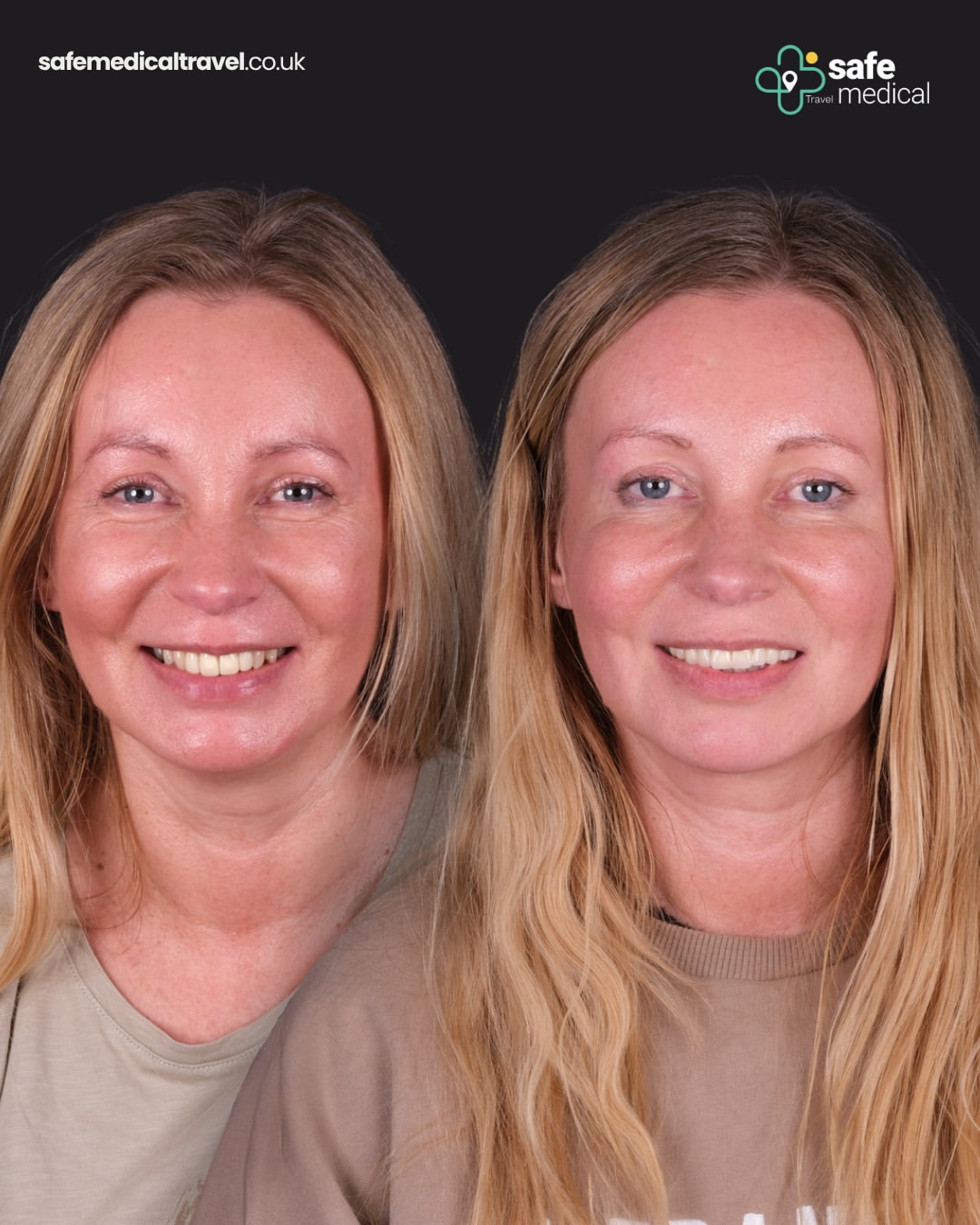
Dental Veneers Before and After in Turkey

Frequently Asked Questions
Although veneer treatment has revolutionized aesthetics, it also comes with certain disadvantages and risks:
- Irreversibility: Traditional porcelain veneers require the removal of tooth enamel. As this permanently alters the tooth’s natural structure, the patient is obliged to maintain those teeth with a restoration (a new veneer or crown) for the rest of their life.
- Fragility and difficulty in repair: Porcelain veneers can crack or break under excessive stress, particularly in patients with parafunctional habits such as teeth grinding (bruxism). A fractured porcelain veneer is usually irreparable and must be completely replaced.
- Cost: As high-quality porcelain or E-max materials require advanced laboratory processes and specialist expertise, this is an initially costly investment.
- Sensitivity: Due to the removal of tooth enamel, some patients may experience temporary sensitivity to hot and cold in the first few days or weeks following the procedure.
- Gum recession and marginal staining: Over time, the gum line may recede, exposing the edges of the veneers, or ‘marginal discoloration' (edge staining) may occur due to factors such as smoking.
Although veneers become quite resistant to chewing forces once they have been bonded to the teeth, biting into hard objects with the front teeth can shorten the lifespan of the restorations.
- Mechanical stress: Eating foods such as apples, hard bread, or nuts by biting into them directly with your front teeth can create excessive and uneven pressure on the veneers, potentially causing cracks or the veneer to become dislodged (dislodgement).
- Recommendation: To preserve the lifespan of your veneers, it is recommended that you cut apples or other hard fruits into small pieces and chew them with your back teeth rather than biting into them. You should also avoid habits such as chewing ice or biting on pens.
Once porcelain veneers have been applied, you generally cannot return your teeth to their natural form (i.e., unrestored).
- Permanent change: In a normal veneer procedure, between 0.3 and 0.7 mm is taken from the tooth enamel. Once enamel has been removed, the teeth will always require veneers or another type of restoration to protect their appearance and function.
- Exception (No-prep): In the case of ‘no-prep’ (without preparation) veneers, where the tooth enamel is not or only slightly scratched, there is a theoretical chance of reverting to its original state. However, even in these circumstances, total removal of adhesive from the tooth surface may cause damage to the enamel-free tooth structure.
Turkey is able to offer high-quality veneers at more affordable prices because of lower operating costs, favourable exchange rates, and high treatment volumes.
- Low operational expenses: Operational expenses, including clinic leases, energy, and water, are 40–60% lower in Turkey than in Europe or North America.
- Lower staffing and laboratory costs: Clinic personnel, and lab technicians are far lower than in Western countries.
- Currency exchange benefit: An important buying power advantage for overseas patients paying in GBP, USD, or EUR, due to the difference in exchange rates.
- High patient volume and government incentives: Clinics in Turkey have the capacity to treat a significant number of patients, including international patients, which allows for bulk purchasing of consumables, such as E-max blocks at reduced prices and taking advantage of government incentives for medical tourism.
Zirconia, E-max, and high-quality porcelain veneers are among the longest-lasting options. With excellent oral hygiene and regular dental care, they can often remain functional and aesthetically pleasing for 15 to 25 years or even longer.