
What is Liposuction?
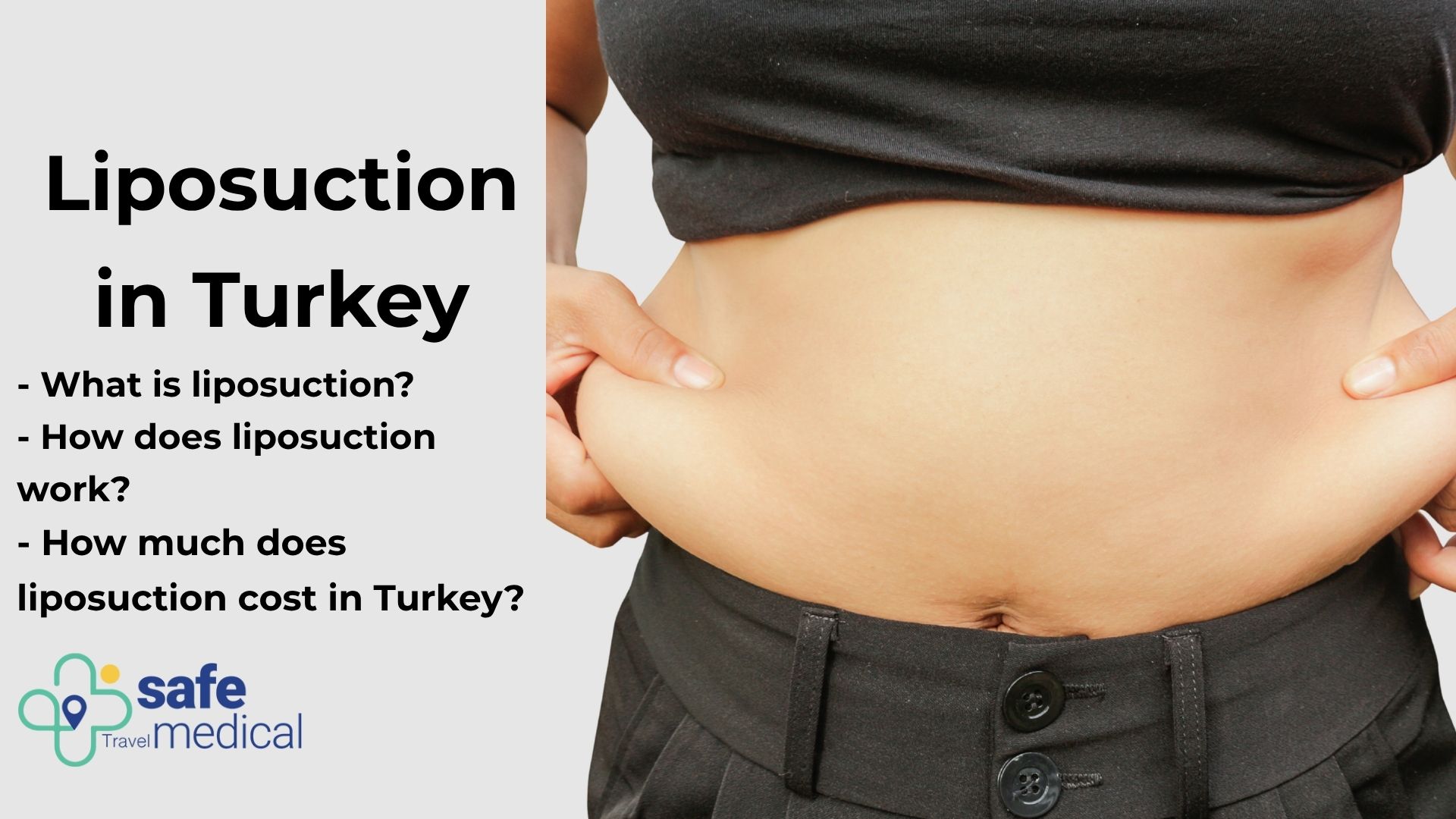
Liposuction is a surgical procedure that reshapes the body’s contours by removing excess fat deposits that have accumulated in specific areas and are resistant to diet or exercise. This safe procedure is one of the most common aesthetic surgical procedures worldwide. However, it is very important to understand that liposuction is not a treatment for obesity or a miracle weight-loss method; rather, it is a body contouring procedure.
This procedure typically targets stubborn fat in areas such as the abdomen, waist, hips, thighs, knees, arms, and double chin. Its primary aim is not to radically alter the patient’s current weight, but rather to achieve more balanced and aesthetically pleasing body proportions.
What can I expect from Liposuction?
It is important for anyone considering liposuction to have realistic expectations regarding the results. Rather than a miraculous transformation immediately after the operation, you will see that your body has taken on a more contoured shape. Here are some key points to expect during this process:
Candidate profile:
The best results are achieved in individuals who are close to their ideal weight, lead a healthy lifestyle, and have good skin elasticity. In people with significant skin laxity, fat removal alone may not be sufficient.
Recovery process:
It is entirely normal to experience bruising, swelling, numbness and mild soreness in the treated areas following the procedure. Whilst most patients can return to desk-based work within a few days, a return to normal daily activities usually takes 1–2 weeks. You may need to wait approximately 4 weeks before resuming strenuous exercise.
Permanence:
Liposuction permanently removes fat cells from the body. However, if you gain excessive weight after the operation, the remaining fat cells may enlarge; therefore, a doctor-approved diet and exercise programme is essential to maintain the results.
Final result:
It may take between 3 and 6 months for the swelling to subside completely and for the body to take on its new shape.
How does Liposuction work?
Regardless of the technology used, liposuction actually consists of three fundamental, meticulous, and systematic steps: fluid injection, fat preparation, and aspiration (fat removal).
Fluid infusion (tumescent technique):
In the first stage, a special ‘tumescent fluid’ is injected into the fatty tissue to be treated. This solution contains lidocaine to numb the area and epinephrine to constrict blood vessels, thereby minimising bleeding and bruising. This makes the fat tissue easier to remove.
Preparation of the fat tissue:
At this stage, the surgeon uses various methods to dislodge and break up the fat. While the traditional method employs mechanical movements, advanced technologies such as VASER use ultrasound waves to liquefy the fat cells (emulsification) without damaging the surrounding tissue.
Removal of Fat:
The prepared fat is extracted from the body using thin, blunt-tipped tubes known as 'cannulas'. The cannulas are inserted through very small, usually hidden incisions in the skin and connected to a vacuum device to ensure the safe removal of the fat. Once the operation is complete, a compression garment (corset) is usually fitted to reduce swelling in the area and help the skin adapt to its new shape.
Liposuction abdomen
- The abdominal area is the most popular choice among body contouring procedures and ranks among the most frequently selected areas for liposuction. Many people notice that their waistline thickens as they age or that they are unable to get rid of stubborn fat in the flanks—often referred to as ‘love handles’—despite leading an active lifestyle. Liposuction is an extremely effective method for flattening the abdomen and slimming the waist.
- Thanks to modern technologies, the procedure no longer simply involves removing fat. With advanced techniques such as High-Definition (HD) liposuction, fat is selectively removed by following the muscle lines (six-pack) in the abdominal area; this allows the individual to achieve a much fitter and more athletic appearance.
- If there is significant skin sagging in the abdominal area (for example, following significant weight loss), liposuction alone may not be sufficient, and a skin-tightening procedure may be required.
Liposuction of legs
- Liposuction performed on the legs targets stubborn fat deposits in the inner and outer thighs and around the knees to make the legs appear more slender and refined. As a general rule, whilst this procedure is highly effective on the upper parts of the leg (such as the hips and thighs), its effectiveness may diminish as one moves down towards the lower parts of the leg, i.e., the ankles.
- To speed up the recovery process and keep swelling under control following leg liposuction, surgeons usually recommend the use of special compression stockings or garments.
- The quality of the result depends on the elasticity of your skin, the structure of your legs, and the amount of fat removed.
- Sometimes, the reason calves appear thick is not due to fat but to genetically large muscle tissue; in such cases, liposuction may not achieve the desired slimming effect.
How long does liposuction last?
- The answer to the question of how long the results of liposuction will last actually depends largely on your lifestyle. Having liposuction does not mean you will ‘never put on weight again.' The remaining fat cells in your body may continue to grow if you do not eat healthily and exercise.
- To ensure the results are permanent, it is essential to stick to a doctor-approved diet and exercise programme following the procedure.
- If you maintain your ideal weight after the operation, the results of liposuction will be permanent.
- Even if you gain a significant amount of weight, your body will generally continue to have a more proportionate silhouette than before the operation, as there are fewer fat cells remaining in the areas where liposuction was performed.
Liposuction healing time
The recovery process is a phase that requires patience, during which the body heals itself and takes on its new shape. It is completely normal to experience bruising, swelling, numbness, or mild soreness in the treated areas immediately following the operation. Wearing the compression garment (corset) provided to you regularly during this period not only helps the swelling to subside more quickly but also helps the skin to adapt more smoothly to your new body contours.
Although the rate of recovery varies from person to person, the general process is as follows:
- First few days: Following minor procedures, you can usually return to desk-based work within 3–5 days; following more extensive procedures, this is generally within 7–10 days.
- First 2 weeks: Most of the swelling begins to subside during this period, and you can largely resume your daily routine.
- 4th week: Doctors generally recommend waiting approximately one month before starting strenuous exercise or intense sports.
- Final result: It can sometimes take 3 to 6 months for the swelling to completely subside and for the skin to settle into place.
Liposuction Turkey reviews
‘Criteria for choosing a good clinic and surgeon’ can guide you in your research in Turkey. For a safe and successful outcome, you should pay attention to the following points:
- Surgeon’s specialisation: Liposuction must be performed by doctors who have completed specialist training in plastic surgery (in Turkey, a specialist in plastic, reconstructive, and aesthetic surgery).
- Certification: Sources indicate that choosing a surgeon who is a member of ISAPS (the International Society of Aesthetic Plastic Surgery) is an important criterion in terms of the surgeon’s experience and safety record.
- Operating theatre conditions: It is of vital importance that the procedure be performed not in a clinic setting but in a fully equipped, licensed hospital with facilities for emergency intervention and intensive care support.
- Avoid places that promise ‘miraculous’ results at very low prices; you should examine ‘before-and-after’ photos of the surgeon’s previous operations.
- Clarify your postoperative plan: Once the operation is over and you return to your home country, who will you consult in the event of a complication? Will the clinic provide you with emergency contact numbers and a ‘fit to fly’ certificate? Ensure you have the answers to these questions in advance.
- Overcome the language barrier: When medical terms and risks are involved, ensure you work with an independent interpreter or a coordinator who is proficient in the foreign language.
- Remember that liposuction is not a weight-loss method: This surgical procedure is performed to remove localized fat. It does not replace diet and exercise.
- Read review sites critically: Be sure to look not only at 5-star reviews but also at low-rated and detailed critiques. Assess both sides to get a realistic picture.
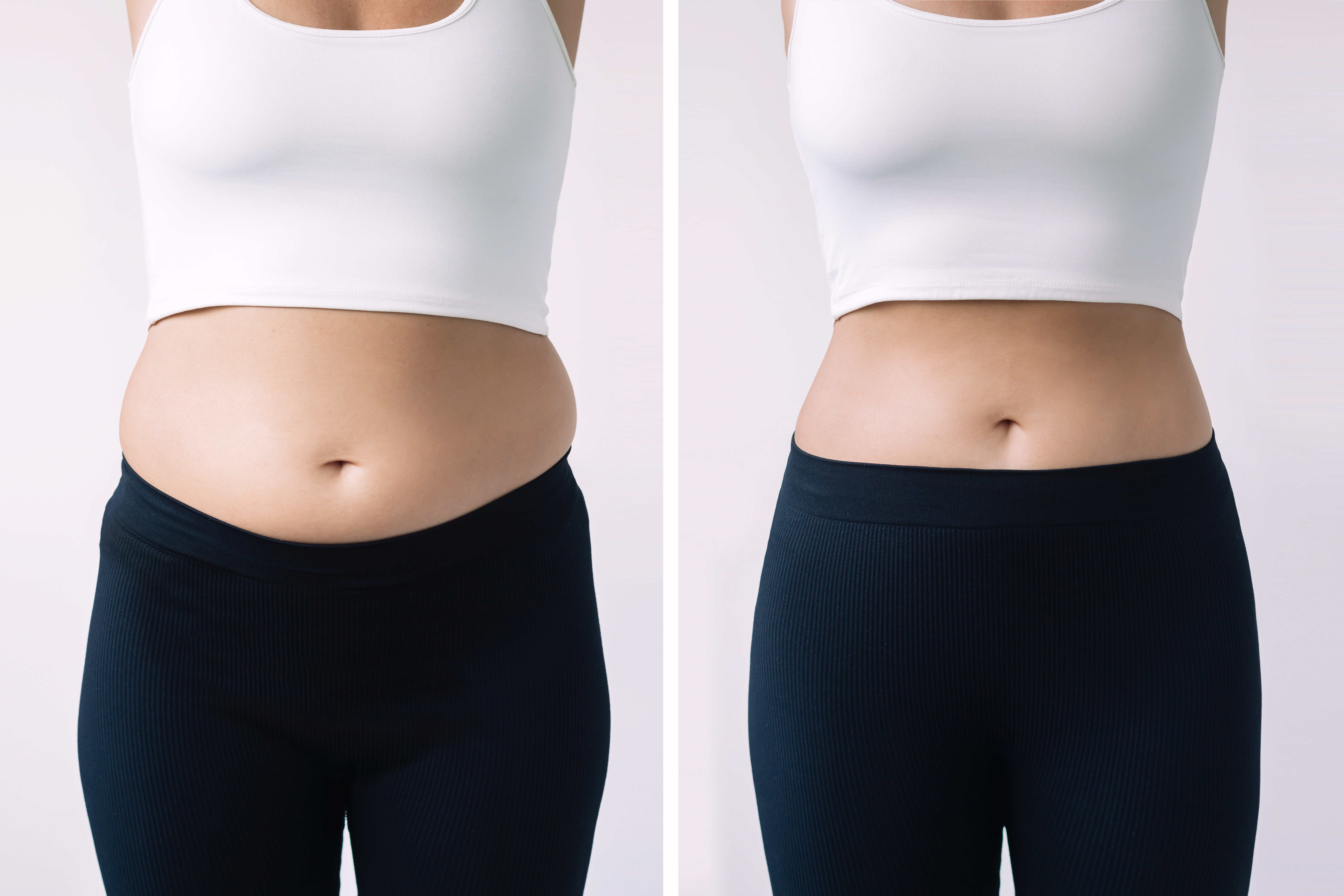
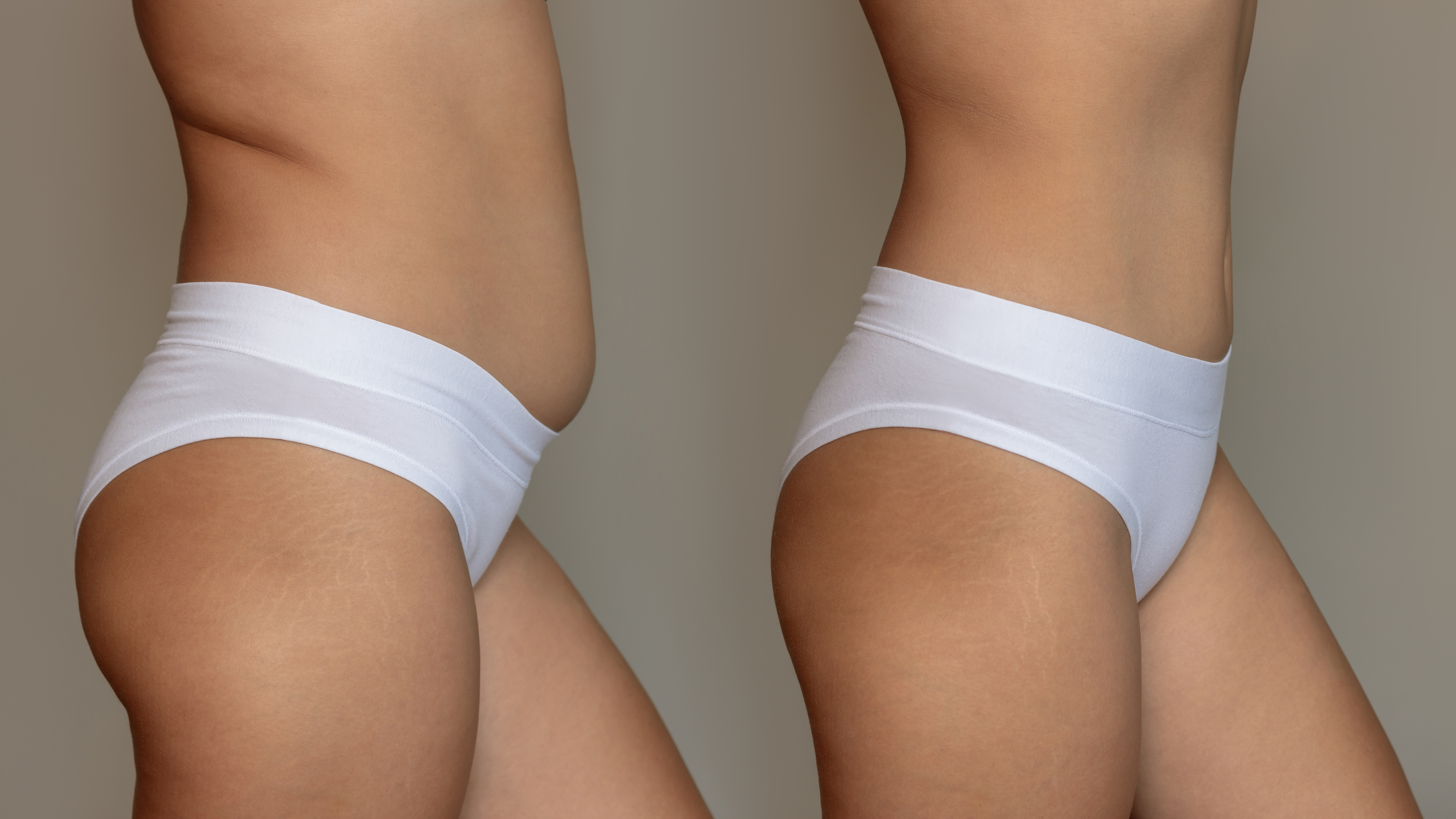
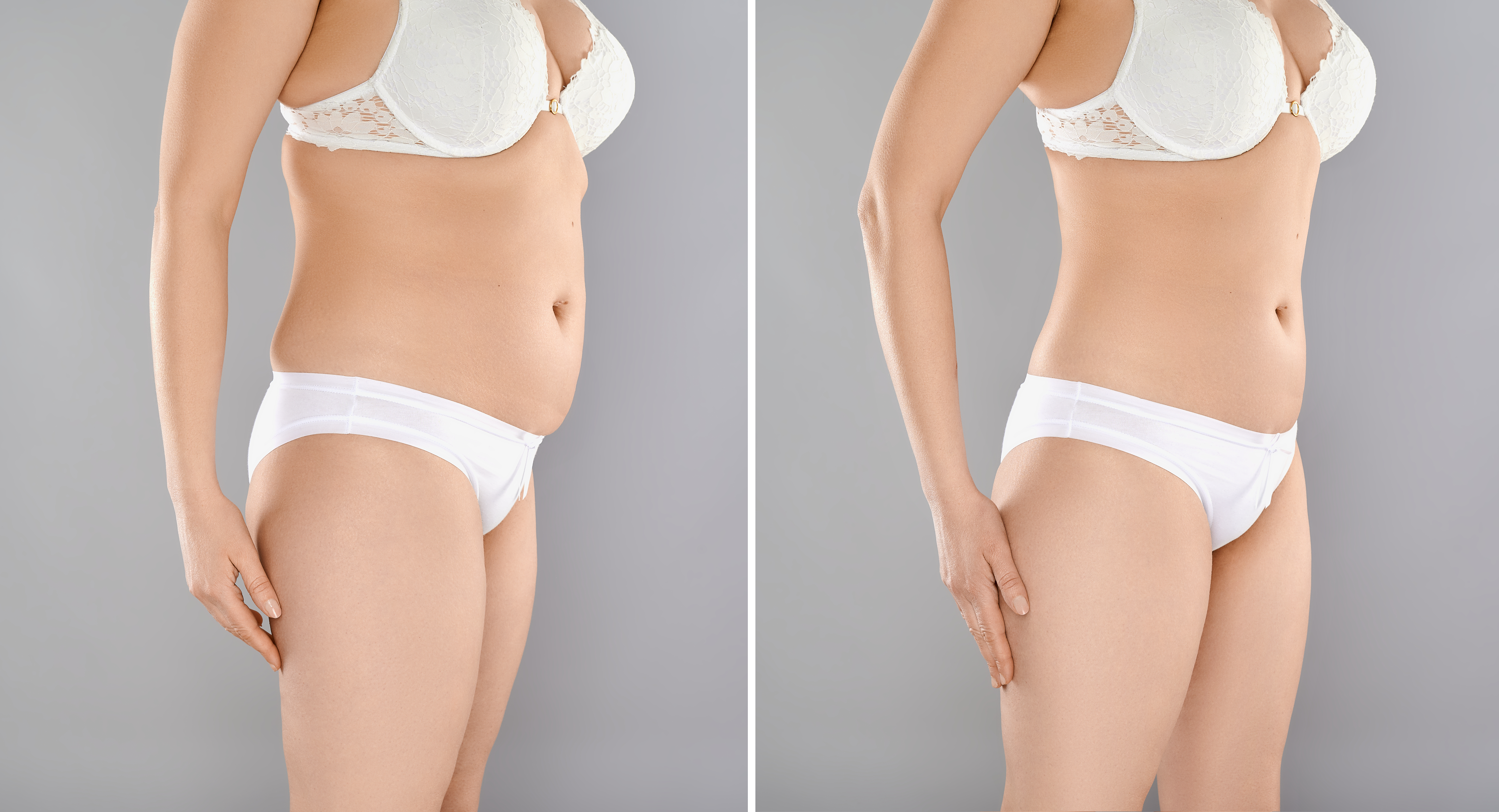
Liposuction Turkey before and after
Frequently Asked Questions
How much does liposuction cost in Turkey?
The prices below are approximate and may vary depending on the clinic, the surgeon’s experience, and the services included in the package.
| Treatment Area / Technique | Average Cost (EUR) | Price Range (EUR) |
|---|---|---|
| Single Area (e.g., chin, arm) | €1,650 | €1,200 - €2,800 |
| Two Areas | €1,950 | €1,700 - €3,200 |
| Three Areas | €2,150 | €1,900 - €3,700 |
| Abdomen (Belly) Area | €2,300 | €1,200 - €4,600 |
| Love Handles (Flanks) | €2,200 | €1,100 - €3,200 |
| Inner/Outer Thighs | €2,400 | €1,900 - €3,100 |
| Arms | €2,200 | €900 - €3,500 |
| Back Area | €2,250 | €1,900 - €3,200 |
| Face and Neck | €2,000 | €1,500 - €2,400 |
| Vaser Liposuction (Ultrasonic) | €3,000 - €4,500 | €1,500 - €6,400 |
| Laser Liposuction (Smart Lipo) | €1,700 - €2,800 | €1,200 - €3,200 |
| 360 Degree (Full Torso) | €3,200 | €2,800 - €5,500 |
Please contact Safe Medical Travel to find out your personalized quote.
What is usually included in the Liposuction Price in Turkey?
There are a lot of "all-inclusive" packages for international patients. This makes sure you won't have to pay any extra fees. Here is what a typical package includes:
- Surgical fee: The amount the surgeon charges based on their experience and area of expertise.
- Fee for anaesthesia: the anaesthetist's fee and all the drugs.
- Costs of the hospital or clinic: the operating room, equipment, and nursing care.
- Tests before surgery: Simple health checks including blood tests and an ECG.
- Time in the hospital: Usually 1 to 2 nights in a private room.
- Medicines: Painkillers and antibiotics that you need to take after surgery.
- Compression garments: Special corsets or other clothes that help reduce swelling after surgery and speed up healing.
- Follow-up after surgery: Check-up appointments and, in some situations, lymphatic drainage massage.
- VIP Transport: A comfortable ride between the airport, hotel, and clinic.
- Lodging: Usually a 4–7-night stay at a hotel, which may include a place for a friend to stay.
Why is liposuction so affordable in Turkey?
Prices are lower in Turkey for a number of reasons:
The exchange rate of the Turkish Lira makes costs highly appealing for patients from other countries.
Low operating costs: Rent, staffing, and general expenses are significantly lower than in Western countries. Competition and volume: Turkey, especially Istanbul, gets a lot of medical tourists. Because there are so many patients, clinics can keep their pricing low.
Liposuction price comparison in Turkey with other countries:
| Country | Average Price |
|---|---|
| Turkey | €2,000 - €4,500 |
| Germany | €3,500 - €6,500 |
| UK | €3,500 - €7,000 |
| USA | €3,700 - €8,500 |
Can you lose 20 kg from liposuction?
According to safety standards, the amount of fat that can be removed from the body in a single session should generally be limited to between 5% and 10% of your total body weight. For example, removing more than 5 litres of fat (approximately 4.5–5 kg) of fat (megaliposuction) can increase the risk of serious complications. Therefore, losing 20 kg through liposuction is neither possible nor medically safe.
Can liposuction remove cellulite?
Unfortunately, liposuction is not an effective treatment for eliminating cellulite. Cellulite is a condition related to the structure of the connective tissue beneath the skin and the quality of the skin itself, whereas liposuction breaks down and removes the fat deposits immediately beneath the skin. In fact, in people with very loose skin or low elasticity, the appearance of cellulite may become more pronounced after the fat has been removed, or dimpling may occur in the skin.
What happens 10 years after liposuction?
How you will look 10 years after the operation depends largely on your personal commitment and lifestyle. As the fat cells removed during liposuction are permanently removed from that area, they will not return. However, if you do not eat healthily and exercise during those 10 years, the remaining fat cells in your body may expand and new fat deposits may form.
What are the side effects of liposuction?
Although liposuction has become quite safe thanks to modern techniques, like any surgical procedure, it does carry certain risks. To minimize these risks, it is important that the procedure be performed in a fully equipped hospital by a specialist surgeon.
- Common and temporary side effects: Swelling (edema), bruising, numbness, fatigue, and mild pain in the operated area are to be expected. These symptoms usually subside within a few weeks.
- Rare but serious complications: Infection, the accumulation of blood or fluid under the skin (hematoma/seroma), changes in skin color or texture, reactions to anesthesia, and, in very rare cases, life-threatening risks such as deep vein thrombosis (DVT) or fat embolism may occur.
Does liposuction permanently remove fat?
Yes, the fat cells suctioned out during liposuction are permanently removed from the body. The number of fat cells in an adult’s body is generally fixed; this procedure physically reduces the number of cells in that area. However, this does not mean that fat will never accumulate in that area again. The remaining fat cells can swell and increase in volume if there is an excessive calorie intake.
The only way to maintain the results of liposuction for life is to stick to a healthy diet and a regular exercise program following the operation.