
"Turkey teeth" keeps appearing in UK headlines and on social media, usually in one of two contexts: as a cheap, fast route to a Hollywood smile or as a cautionary tale about dental treatment gone wrong. This piece looks at what the term actually means, where treatment tends to go wrong, and what a patient can realistically do to protect themselves.
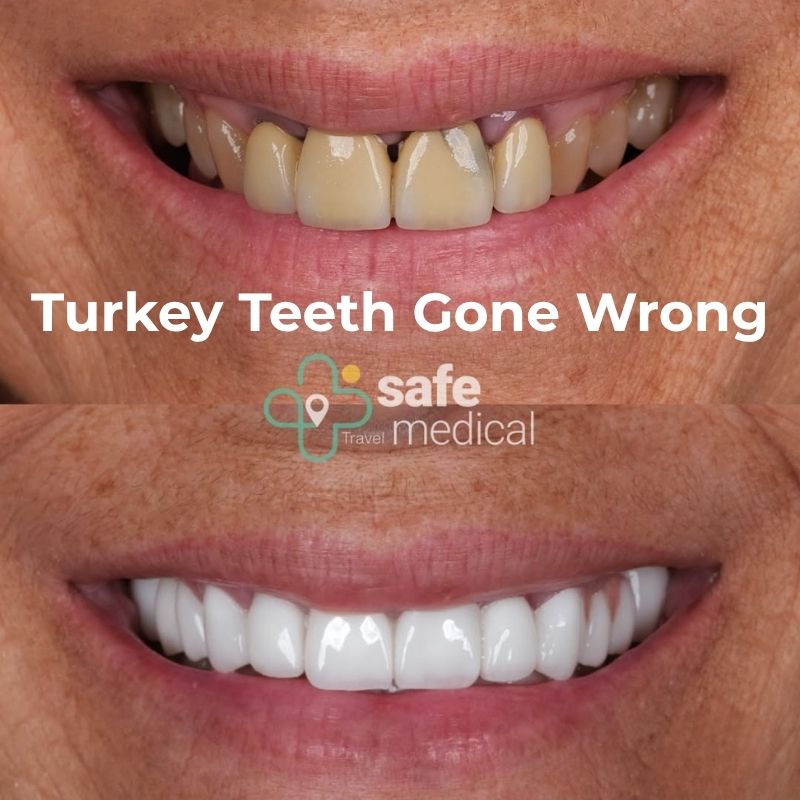
What Does "Turkey Teeth Gone Wrong" Mean?
It's not a medical term. It's a nickname for the same-looking, ultra-white, ultra-uniform smiles that flooded Instagram and TikTok a few years back.
"Gone wrong" covers what happens when that treatment doesn't hold up — pain, infection, crowns that come loose, gums that pull back. What's worth noting is that the problem is rarely the treatment itself; it's usually how it was planned and carried out.
What Are Turkey Teeth?
The phrase is commonly used online to describe cosmetic smile makeovers carried out in Turkey, often involving multiple crowns or veneers designed to create a whiter, more uniform smile.
Are Turkey Teeth Veneers or Crowns?
This confuses almost everyone booking treatment. There's no single answer — it depends entirely on the clinic.
Some clinics use veneers, while others use crowns, and the difference matters: a crown covers the entire visible portion of the tooth, while a veneer mainly covers the front surface. Many of the concerns associated with "Turkey teeth" involve cases where healthy teeth have been extensively prepared for crowns rather than treated with more conservative options such as veneers or composite bonding.
Why Have Turkey Teeth Become Controversial in the UK?
The controversy grew because enough patients came home with real complications and posted about it. The British Dental Association has weighed in more than once, particularly criticising the practice of crowning teeth that were perfectly healthy to begin with.
Are Turkey Teeth Safe?
"Turkey teeth" is not a specific dental procedure, and having crowns or veneers in Turkey is not automatically unsafe. The safety of treatment depends on factors such as the accuracy of the diagnosis, whether the proposed treatment is actually necessary, the dentist's experience, the standards of the healthcare facility, the quality and suitability of the materials used, infection control, bite planning and aftercare.
Problems are more likely when healthy teeth are unnecessarily reduced, treatment planning is inadequate or complex dental work is rushed. A proper examination, appropriate X-rays or other diagnostic records, a personalised treatment plan and clear aftercare arrangements can all help reduce these risks.
Do Turkey Teeth Ruin Your Natural Teeth?
Turkey teeth do not automatically ruin your natural teeth. However, poorly planned treatment or excessive removal of healthy tooth structure can cause irreversible damage.
What matters most is how much tooth structure is removed, whether that removal is actually necessary and whether the chosen treatment is appropriate for the condition of the teeth.
Does Tooth Enamel Grow Back After Shaving?
No. Enamel doesn't regenerate. Once it has been removed during tooth preparation, that loss is permanent.
Because enamel does not grow back, dentists generally aim to preserve as much healthy tooth structure as clinically possible. The appropriate amount of preparation depends on the condition of the tooth and the chosen restoration.
Can Veneers Be Placed Without Shaving Teeth?
Yes, in selected cases. Minimal-prep or no-prep veneers may require little or no removal of enamel. However, suitability depends on factors such as tooth position, shape, colour, bite and the desired result.
What Happens If Too Much Tooth Is Removed?
Excessive tooth reduction can bring the preparation closer to the dental pulp, potentially increasing sensitivity and the risk of pulp irritation.
In some cases, further treatment such as root canal treatment may become necessary. Removing too much healthy tooth structure can also weaken the remaining tooth and increase the risk of fracture.
Is Tooth Preparation for Crowns Permanent?
Yes. Crown preparation is irreversible. Once significant tooth structure has been removed, the tooth will generally continue to require a protective restoration, and the crown may need to be replaced over time.
What Can Go Wrong With Turkey Teeth?
Problems after cosmetic dental treatment can range from temporary sensitivity to more serious complications involving the teeth, gums or bite. The risk depends on the original condition of the teeth, treatment planning, tooth preparation, restoration fit and aftercare.
Excessive Tooth Shaving
One of the main concerns associated with poorly planned cosmetic dental treatment is excessive reduction of healthy tooth structure. Once enamel or other tooth structure has been removed, the process cannot be reversed.
Persistent Tooth Pain and Sensitivity
Persistent or worsening sensitivity may indicate pulp irritation, excessive tooth preparation, bite problems, decay or another complication. These symptoms should be assessed by a dentist.
Gum Inflammation and Gum Recession
A crown that does not fit properly around the gumline can contribute to ongoing irritation or inflammation. Over time, gum recession may expose part of the tooth root and affect the appearance of the smile.
Infection and Tooth Decay Under Crowns
If a crown does not provide an adequate seal, bacteria may enter around the restoration and decay can develop underneath it. Because the affected area may be hidden by the crown, the problem is not always immediately visible.
Loose, Chipped or Broken Crowns and Veneers
Crowns and veneers may loosen, chip or fracture because of factors such as poor bonding, an inaccurate fit, excessive bite forces, material failure or teeth grinding.
Bite Problems and Jaw Discomfort
If crowns or veneers interfere with the bite, patients may experience discomfort when chewing, tooth tenderness or jaw discomfort. Persistent bite problems should be assessed and adjusted by a dentist.
Unnatural, Bulky or Overly White Teeth
Crowns or veneers that are too large, bulky, opaque or bright for the patient's facial features can produce an unnatural appearance. Careful smile design should consider tooth proportions, colour, gumline, bite and overall facial aesthetics rather than simply making the teeth larger or whiter.
Why Do Turkey Teeth Sometimes Go Wrong?
Choosing a Clinic Based Only on Price
The cheapest option isn't automatically the worst one, but choosing a clinic based on price alone can be risky. Qualifications, treatment planning, materials, laboratory standards and aftercare should all be considered alongside cost.
Inadequate Dental Examination and Treatment Planning
Starting extensive treatment without appropriate X-rays, diagnostic records and a proper dental examination can mean that existing problems are missed and the treatment plan is based on incomplete information.
Unnecessary Crowns on Healthy Teeth
Placing full crowns on otherwise healthy teeth solely for cosmetic reasons may require substantially more tooth reduction than conservative alternatives.
Where appropriate, patients should ask whether whitening, composite bonding, orthodontics or veneers could achieve the desired result while preserving more natural tooth structure.
Rushed Dental Treatment
Complex cosmetic or restorative treatment requires adequate time for examination, preparation, laboratory work, try-ins, bite checks and final adjustments. Patients should be cautious if a treatment schedule appears too short for the amount of work being proposed.
Poorly Fitting Crowns or Veneers
Problems during tooth preparation, impressions or digital scanning, laboratory production, bonding or final adjustment can affect how accurately a crown or veneer fits.
An inaccurate fit may contribute to gum irritation, bite problems, food trapping, loosening or decay around the restoration.
Lack of Proper Aftercare
Treatment does not end when you return home. Without an appropriate follow-up and aftercare plan, small problems may develop into more significant complications before they are identified.
What Are the Warning Signs That Your Turkey Teeth Have Gone Wrong?
Pain That Does Not Improve
Some discomfort in the first few days can occur after dental treatment. However, pain that does not gradually improve or becomes worse should be assessed by a dentist.
Swollen or Bleeding Gums
Swollen or bleeding gums may indicate inflammation, irritation around a restoration, poor oral hygiene or another dental problem that should be assessed.
Persistent Bad Breath or Bad Taste
Persistent bad breath or an unusual taste may be associated with trapped food, gum inflammation, infection or problems around or underneath a restoration and should not be ignored.
Loose Crowns or Veneers
A crown or veneer that moves or feels loose should be assessed by a dentist. Continuing to bite or chew on a loose restoration may cause further damage.
Difficulty Biting or Chewing
Discomfort or difficulty when biting can indicate that a restoration is interfering with the bite or that another underlying dental problem is present.
Severe or Increasing Tooth Sensitivity
Persistent or increasing sensitivity may indicate irritation or inflammation of the pulp, bite problems or another complication and should be assessed by a dentist.
How Can You Avoid Turkey Teeth Going Wrong?
Choose a Qualified and Reputable Dentist
Check the dentist's qualifications, relevant experience and previous patient reviews before agreeing to treatment. For extensive cosmetic work, it can also be useful to ask how frequently the dentist performs the proposed procedure.
Check the Clinic Before Travelling
From the UK to a smile he's truly happy with.
Michael travelled from the UK for his dental treatment, and today he's leaving with a new smile and a happiness that says it all.
From Switzerland to a smile she truly loves.
Sabrina travelled from Switzerland for her dental journey in Türkiye and is now leaving with a new smile and a big reason to smile even more.
Independent reviews, forums and speaking to previous patients can be useful, but they should not replace official checks.
Confirm the dentist's qualifications, the healthcare facility's authorisation, its international health tourism authorisation where applicable, and whether the clinic provides a written treatment plan, appropriate diagnostic records and a clear aftercare policy.
Before You Book Dental Treatment in Turkey, Check:
Behind every transformation lies advanced technology, meticulous planning, and skilled craftsmanship working together to create results that are unique to each patient.
That's why Safe Medical Travel collaborates with carefully selected clinics that combine cutting-edge technology, experienced dental professionals, and in-house laboratories where every smile is designed and crafted with exceptional attention to detail.
From digital smile design to the final restoration, every stage is tailored to the individual — because no two smiles are the same.
- The dentist's qualifications and experience
- The clinic's healthcare authorisation
- International health tourism authorisation where applicable
- Whether you will receive a personalised written treatment plan
- Whether appropriate X-rays and diagnostic examinations will be performed
- Which materials and brands will be used
- Who will actually perform your treatment
- What the aftercare policy includes
- What any guarantee or warranty covers
- What happens if you experience a problem after returning home
Have a Full Dental Examination Before Treatment
A proper examination and appropriate diagnostic imaging should be completed before extensive restorative or cosmetic dental treatment begins.
The dentist should assess not only the appearance of your teeth but also tooth structure, gums, bite and any existing dental disease.
Ask Whether You Need Veneers or Crowns
Not everyone needs a crown. Ask why a crown is being recommended and whether a less invasive treatment could achieve the desired result while preserving more healthy tooth structure.
Avoid Unnecessary Tooth Shaving
When clinically appropriate, preserving as much healthy tooth structure as possible is generally preferable. Ask your dentist whether a more conservative treatment could achieve the desired result.
Ask About the Materials and Brands Used
Ask what material will be used, who manufactures the restoration and why that material is suitable for your case.
Zirconia Crown
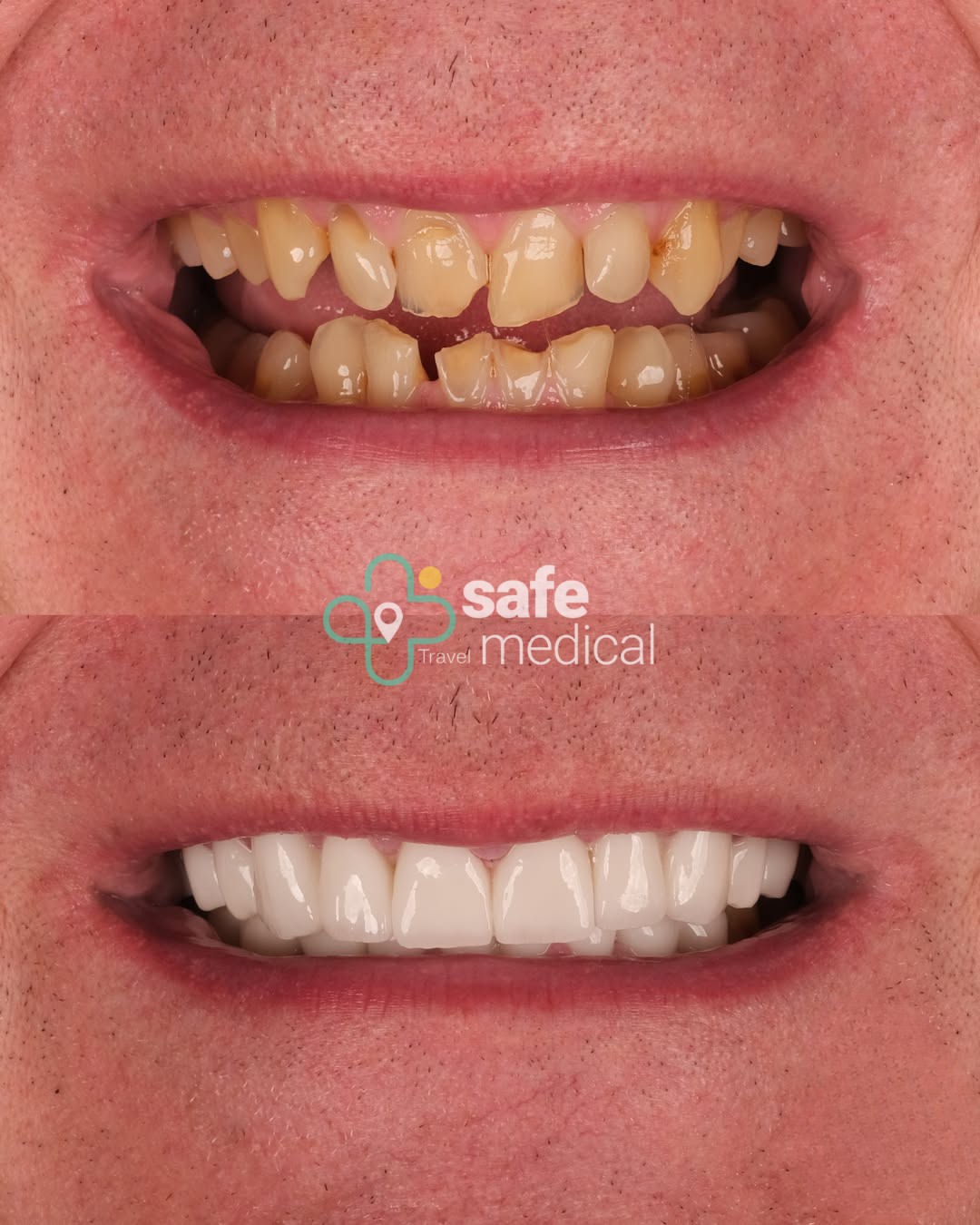
Longevity depends not only on the material but also on tooth preparation, fit, bonding, bite, oral hygiene and individual habits such as teeth grinding.
Dental Veneer
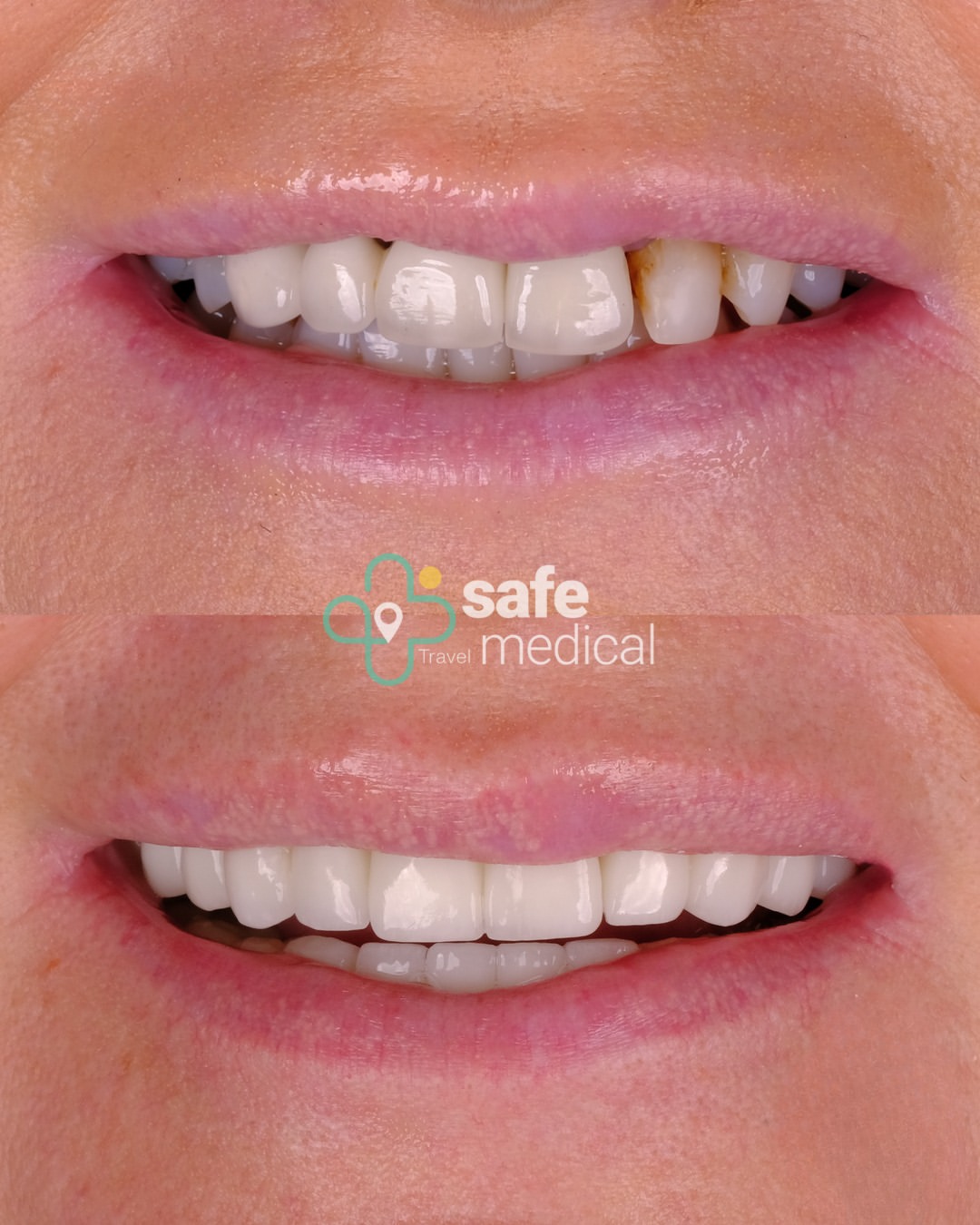
Do Not Choose Treatment Based Only on Price
Price is an important consideration, but it should not be the only factor used to choose a dentist or clinic.
Compare the proposed treatment, materials, dentist's experience, diagnostic process and aftercare rather than simply choosing the lowest quote.
Get a Written Treatment Plan and Understand the Guarantee or Warranty Terms
Ask for a written treatment plan explaining which teeth will be treated, what procedures are proposed, which materials will be used and what the total cost includes.
If the clinic offers a guarantee or warranty, ask for the terms in writing. Check what is covered, what is excluded, how long the policy lasts and what happens if a restoration needs to be repaired or replaced after you return home.
Ask About Aftercare Before Returning to the UK
Before leaving Turkey, make sure you understand what to do if you develop pain, sensitivity, bite problems or another complication after returning home.
Ask who you should contact, whether remote follow-up is available and what the clinic's policy is if further treatment becomes necessary.
Veneers vs Crowns: Why Knowing the Difference Matters
Not understanding this distinction is one of the riskiest gaps in the decision-making process. Both change how a smile looks, but the amount of natural tooth structure involved can be very different.
| Feature | Veneers | Crowns |
|---|---|---|
| Tooth coverage | Mainly cover the front surface | Cover the entire visible portion of the tooth |
| Tooth preparation | Usually less | Usually more |
| Common purpose | Mainly cosmetic and selected restorative cases | Structural, restorative and cosmetic treatment |
| Tooth preservation | Generally more conservative | Requires greater tooth reduction |
| Is preparation irreversible? | Usually yes if enamel is removed | Yes |
How Much Tooth Preparation Do Veneers Require?
Veneers generally require less tooth preparation than full crowns. Depending on the tooth position, enamel thickness, material and treatment goals, preparation may range from minimal enamel reduction to more substantial preparation.
How Much Tooth Preparation Do Crowns Require?
Crowns cover the entire visible portion of the tooth and generally require substantially more tooth reduction than veneers.
When Is a Dental Crown Actually Necessary?
Dental crowns may be indicated for teeth that are extensively decayed, fractured, structurally weakened or have undergone root canal treatment. The decision should be based on an individual clinical assessment.
Can Healthy Teeth Be Treated More Conservatively?
Yes. Depending on the cosmetic concern, healthier teeth may sometimes be treated more conservatively with whitening, composite bonding, orthodontics or veneers.
What Should You Do If Your Turkey Teeth Have Gone Wrong?
Contact the Clinic That Performed Your Treatment
Contact the clinic, explain your symptoms and ask what aftercare or guarantee policy applies to your situation.
Provide photographs or other information if requested, but persistent or serious symptoms should also be assessed clinically by a dentist.
Get a Second Opinion From a Dentist
An independent dentist can examine your teeth, gums, restorations and bite and help determine the cause and severity of the problem.
Request Your X-Rays and Dental Records
Ask the original clinic for copies of your X-rays, treatment plan, implant information if applicable and other relevant dental records.
These records can help another dentist understand what treatment was performed and may also be useful if a dispute arises.
Can Turkey Teeth Be Fixed?
In many cases, problems with crowns or veneers can be treated, but the appropriate solution depends on what has gone wrong and the condition of the remaining natural teeth.
Treatment may involve adjusting the bite, rebonding or replacing a crown or veneer, managing gum inflammation, treating decay or performing root canal treatment if the dental pulp has been affected.
In more severe cases where a tooth cannot be restored, extraction and replacement with an appropriate dental prosthesis or implant may need to be considered.
However, if a significant amount of healthy tooth structure has already been removed, that loss cannot be reversed. The aim of corrective treatment is therefore to manage the complication and preserve as much of the remaining tooth structure as possible.
When Is Urgent Dental Treatment Necessary?
Seek urgent dental or medical care if you develop severe or rapidly increasing pain, facial swelling, fever, uncontrolled bleeding, difficulty swallowing or difficulty breathing.
How to Choose a Safe Dental Clinic in Turkey
The right treatment starts with the right choice.
When you're considering dental treatment abroad, expertise, technology, clinic standards, and patient care all matter.
At Safe Medical Travel, we help you navigate your options and connect with carefully selected clinics and experienced professionals you can feel confident about.
Your smile deserves more than a treatment. It deserves the right journey.
Choosing a clinic should involve more than comparing before-and-after photographs or package prices. Before booking, check who will provide the treatment, whether the facility is appropriately authorised and how the clinic manages diagnosis, treatment planning and aftercare.
Check the Dentist's Qualifications
Check the dentist's professional qualifications, relevant training and experience with the treatment you are considering.
Check the Clinic's Health Tourism Authorisation
Clinics operating in international health tourism in Turkey should hold the appropriate official authorisation where required. Ask the clinic for details and verify official information where possible.
Ask for a Personalised Treatment Plan
Your treatment plan should be based on an examination of your own teeth, gums, bite and diagnostic records rather than a generic cosmetic package.
Ask which teeth need treatment, why each procedure is recommended and whether more conservative alternatives are available.
Ask Who Will Actually Perform Your Treatment
Confirm which dentist will perform your treatment rather than assuming that the dentist shown in the clinic's marketing materials will personally carry out the procedure.
Check the Aftercare and Guarantee Policy
Ask how long any guarantee or warranty lasts, what it covers, what it excludes and what the process is if something goes wrong after you return home.
You should also know whether follow-up appointments, repairs or replacement restorations involve additional costs.
Be Careful With Extremely Cheap Dental Packages
Very low prices should not automatically be taken as evidence of poor-quality treatment, but unusually cheap packages deserve closer scrutiny.
Check exactly what is included, which materials will be used, who will perform the treatment and what aftercare is provided.
How Much Does It Cost to Fix Turkey Teeth Gone Wrong?
There is no single cost for correcting Turkey teeth because the treatment required depends on the type and severity of the problem.
A relatively minor bite problem may only require adjustment, while more complicated cases may involve replacing crowns or veneers, treating gum disease, performing root canal treatment or restoring damaged teeth.
If several restorations need to be replaced or significant damage has occurred to the underlying teeth, corrective treatment can become considerably more complex and expensive.
Before proceeding with corrective treatment, an examination and appropriate diagnostic imaging are usually needed to determine what has gone wrong and which teeth can be preserved.
Frequently Asked Questions About Turkey Teeth Gone Wrong
Why do Turkey teeth go wrong?
Problems can result from inadequate treatment planning, excessive tooth reduction, poorly fitting restorations, unsuitable materials, bite problems or inadequate aftercare.
The risk can be reduced by choosing an appropriately qualified dentist, having a proper examination before treatment and making sure the proposed treatment is suitable for your teeth.
Do Turkey teeth ruin your natural teeth?
Turkey teeth do not automatically ruin natural teeth. However, poorly planned treatment or excessive removal of healthy tooth structure can cause irreversible damage.
The risk depends largely on the condition of the original teeth, the type of restoration used and how much tooth preparation is necessary.
Do they shave your teeth down for Turkey teeth?
It depends on the treatment. Dental crowns require preparation around the tooth because the restoration covers the entire visible portion of the tooth.
Veneers usually require less preparation because they mainly cover the front surface, and selected minimal-prep or no-prep veneers may require little or no enamel removal.
Are Turkey teeth veneers or crowns?
They can be either. "Turkey teeth" is an informal term rather than a specific dental treatment, so some smile makeovers involve veneers while others involve crowns.
The important difference is that crowns generally require substantially more natural tooth reduction than veneers.
Is it safe to get your teeth done in Turkey?
Dental treatment in Turkey can be safe when it is properly planned and carried out by a qualified dentist at an appropriately authorised healthcare facility.
It is not automatically safe or unsafe simply because it takes place in Turkey — safety depends on the patient's dental condition, whether the proposed treatment is actually necessary, the dentist's experience, clinical standards, the quality of materials used and appropriate aftercare.
How long should Turkey teeth last?
There is no single expected lifespan for "Turkey teeth" because the term can refer to different treatments, including crowns and veneers.
How long a restoration lasts depends on the material, fit, bite, oral hygiene, teeth grinding, diet and regular dental maintenance. Crowns and veneers may eventually need repair or replacement.
Can Turkey teeth be fixed if something goes wrong?
In many cases, yes. Depending on the problem, treatment may involve bite adjustment, replacement of crowns or veneers, gum treatment, treatment of decay or root canal treatment.
However, natural tooth structure that has already been significantly removed cannot be restored, so some effects of excessive tooth preparation are permanent.
Can a UK dentist fix Turkey teeth?
A UK dentist can assess crowns, veneers, gums, bite and underlying teeth after treatment abroad. Depending on the problem, they may treat it themselves or refer you to an appropriate specialist.
Bringing your X-rays, treatment plan, implant details and other dental records can help with the assessment.
What should I do if I have severe pain after dental treatment in Turkey?
See a dentist without delay, particularly if the pain is severe, increasing or accompanied by swelling or fever.
You should also contact the original clinic and explain what is happening if possible. Seek urgent dental or medical care for facial swelling, uncontrolled bleeding, difficulty swallowing or difficulty breathing.