
Zirconium Crowns Turkey
Zirconium crowns, which offer a flawless and natural-looking appearance and promise lifelong durability, are one of the most sought-after aesthetic solutions in dentistry. However, the cost of this technological marvel requires a significant investment in many countries.
This is precisely where Turkey comes in, becoming a global center of attraction with its world-class quality, expert medical staff, and price advantage over many other countries. In this article, you will find answers to your questions about zirconium dental treatment in Turkey.
What is a zirconium crown?
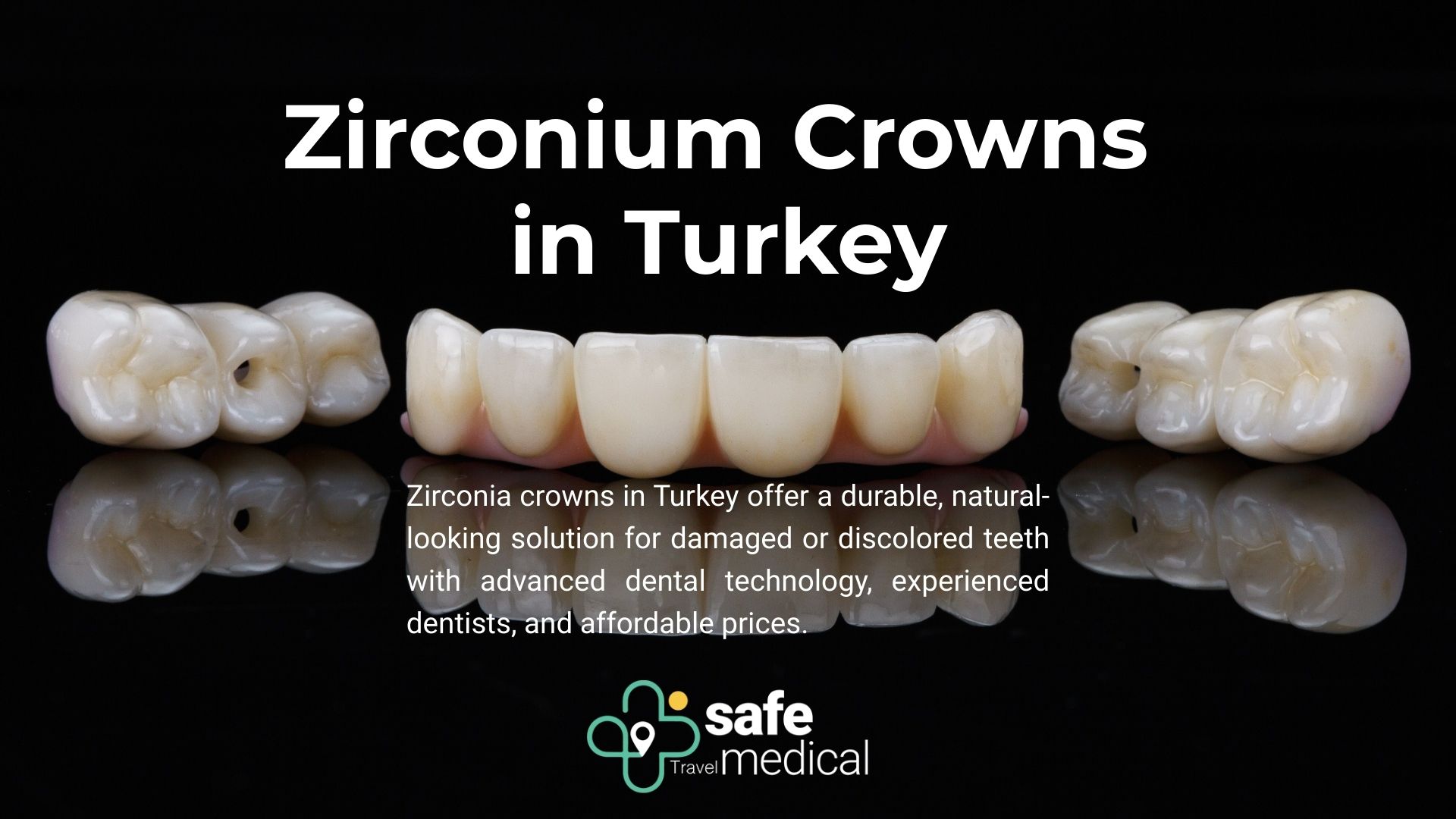
Zirconium crowns are dental restorations made from a high-performance ceramic material called zirconium dioxide, offering both aesthetics and durability in dentistry. Replacing traditional metal-supported porcelain crowns, these restorations are preferred due to their metal-free structure and appearance that closely resembles natural teeth.
The Reasons You Need Zirconia Crowns
The primary reasons for requiring zirconium crowns are based on the superior properties this material offers, both aesthetically and mechanically.
Superior aesthetics and natural appearance
Zirconia is preferred for achieving high aesthetic goals due to its ability to mimic the color and light transmission (translucency) of natural teeth.
Metal-free structure:
Unlike traditional metal-ceramic restorations, zirconia does not contain metal. This eliminates the opaque appearance and black lines at the gum line seen in metal-backed porcelain, providing a more vibrant and natural appearance.
Light transmission:
Modern types of zirconia (such as UTML and STML) have optical properties and light reflection capacity similar to natural tooth enamel.
High mechanical strength and power
Zirconia is the material with the highest fracture resistance among all ceramic materials.
High load-bearing capacity:
It is ideal for restorations in the posterior region (molars), where chewing forces are very intense, and for long bridges.
Fracture toughness:
Zirconia's mechanism, known as ‘transformation hardening,’ provides extra resistance to fracture by stopping the propagation of microcracks within the material.
Biocompatibility and oral health
- Zirconia is a biocompatible material that provides excellent compatibility with body tissues.
- As it contains no metal, it does not corrode (wear/rust) in the oral environment.
- Its low thermal conductivity, similar to that of natural teeth, minimizes sensitivity to hot and cold.
Masking of severe discoloration
- Zirconia crowns are a lifesaver in cases where teeth whitening methods (bleaching) are ineffective.
- They successfully mask the underlying dark color, providing an aesthetic smile, especially in cases of severe third- and fourth-degree tetracycline staining caused by antibiotics used during childhood.
Wide range of applications
Zirconia can be used in many different situations, from a single tooth to full jaw restorations:
Implant-supported prostheses:
It offers high success rates in implant abutments and implant-supported bridges.
Pediatric Dentistry:
Prefabricated zirconia crowns are preferred for the restoration of common decay in deciduous teeth due to their physical durability and aesthetic advantages.
Conservative approach:
The use of monolithic (single-piece) zirconia may require less tooth reduction compared to traditional methods and can minimize wear on opposing teeth.
Technological efficiency (CAD/CAM)
Zirconia crowns are produced using computer-aided design and manufacturing (CAD/CAM) technology. This technology ensures that the restoration fits the tooth with perfect precision and makes the production process faster and more predictable (compared to traditional methods).
Zirconium crowns help you achieve a natural, strong, and aesthetic smile.
With Safe Medical Travel, the entire journey is managed with professionalism and care.
Regain your smile with zirconium crowns, and trust Safe Medical Travel for a smooth, reliable, and professional experience from start to finish.
Benefits of getting zirconia crowns
Zirconium crowns offer numerous advantages in dentistry as a ‘high-end’ material that meets both aesthetic and functional expectations. The main benefits of having zirconium crowns fitted are as follows:
- The primary purpose of zirconium is to mimic the color and light transmission (semi-translucency) of natural teeth to achieve high aesthetic results.
- The new generation Ultra Semi-Translucent and Super Semi-Translucent series, in particular, offer light transmission similar to natural tooth enamel, making them an ideal option for anterior restorations.
- Unlike traditional metal-supported porcelains (PFM), it prevents black lines from forming at the gum line over time and provides a more vibrant appearance.
- Zirconium is the material with the highest fracture resistance among all ceramic materials. It offers long-lasting stability in areas requiring high chewing forces, such as posterior teeth.
- In monolithic crowns made from a single piece of zirconium, the risk of porcelain chipping or breaking, which is common in traditional porcelain veneers, is minimized.
- Zirconium has excellent biocompatibility and works in harmony with the gums.
- Thanks to its low thermal conductivity, which is close to that of natural teeth, it reduces sensitivity to hot and cold foods.
- As it does not contain metal, it does not wear down or corrode in the oral environment.
- It is highly effective in masking severe tooth discoloration, such as third- and fourth-degree tetracycline staining that cannot be removed by whitening, and in achieving a ‘perfect smile.’
- Monolithic structures, in particular, can be applied with less tooth reduction (thin layers of approximately 0.2-0.6 mm) compared to traditional porcelains, thus preserving more natural tooth structure.
- Thanks to computer-aided design and manufacturing (CAD/CAM), crowns are produced to fit the patient's tooth with millimetric precision.
- Digital workflows accelerate the laboratory process compared to traditional methods, offering a more efficient treatment process.
Disadvantages of zirconia crowns
Zirconium (zirconia) crowns, despite being high-tech and aesthetic materials, have certain technical, aesthetic, and biological disadvantages. Based on the sources, these disadvantages can be detailed as follows:
- Zirconium crowns are usually thought to be a less cost-effective (more expensive) choice than porcelain and metal-supported systems.
- Heavy smoking and drinking too much coffee, tea, or cola can make the zirconium (with porcelain veneers) surface look stained.
Zirconium crowns procedure
This process has the following steps:
Cutting and preparing teeth
To make sure the crown fits the tooth precisely and is strong enough, the dentist removes certain quantities of tooth:
- Gingival margin: A "heavy chamfer" step is made below the gum line, usually 0.9 mm deep.
- Lateral surfaces: A cut along the axis of about 1.2 mm is made.
- Chewing surface: There is a 1.8 mm gap (incisal/occlusal clearance) left to keep biting forces from getting through.
- Finishing: After the cutting is done, special finishing burs are used to make sure the surfaces are smooth.
Digital scanning and impressions
After the teeth are ready, gingival retraction (like the double cord technique) is used to make the gingival margins clearer. There are two ways for the impression process to go:
- A traditional impression material is used to make an impression.
- Digital Scanning: An intraoral scanner, like the inEos X5, makes a 3D digital model of the teeth.
Design and make (CAD/CAM)
- Design (CAD): Computer-aided design software (like exocad or Cercon art) is used to make the crown's anatomical shape.
- Milling (CAM): Computer-controlled machines mill and make zirconium blocks.
- Shrinkage allowance: Zirconium is milled when it is not yet fully hardened (in a chalky form). At this point, the crown is made about 25% bigger than it will be when it is fired (sintered) to make up for the shrinkage.
Sintering (Hardening)
The milled zirconium crowns are placed in high-temperature furnaces to achieve their durability and aesthetic properties:
- They are typically fired at temperatures between 1450°C and 1550°C.
- This process takes approximately 2 to 8 hours, during which the material reaches its final hardness and optical properties.
Finalization and coloring
The following techniques can be applied after sintering to give the crown a natural appearance:
- Liquid coloring (shading): Special liquid dyes are used before or after sintering.
- Glazing: Glazing is performed in vacuum furnaces to give the surface shine and smoothness.
- Micro-layering: To enhance aesthetics, a very thin porcelain layer 0.2-0.6 mm thick is added to the zirconium surface and fired.
Bonding (Cementation)
This is the process of permanently fixing the crown in the mouth:
- Surface Preparation: The inner surface of the crown (fitting surface) is sandblasted with 50-110 µm (aluminum oxide) powder to increase adhesion.
- Adhesive Selection: Resin-based cements, which generally offer high strength, are typically preferred.
How long do zirconium crowns last?
Average lifespan
High-quality zirconia crowns can last between 15 and 20 years, and often longer, if they are cared for and placed correctly. They are known for being very strong and long-lasting.
Factors that influence longevity
Several critical factors determine how long a specific crown will last:
How well the lab made it:
It is very important that the digital scan, design, and milling process are all very accurate. A crown that fits the tooth perfectly will last a lot longer.
The dentist's skill:
It's very important to prepare the teeth correctly, take impressions, use the right cementation technique, and make sure the margins fit perfectly. A crown that doesn't fit well can cause decay underneath or problems with the gums.
- Solid (monolithic) zirconia: This is very strong and doesn't break easily. It's great for back teeth (molars). It looks much better now that it is translucent.
- High-translucent (multi-layered) zirconia: This is mostly used for front teeth because it looks better. It's still very strong, but it might not be as resistant to breaking under the heaviest chewing forces as solid zirconia.
Taking care of and cleaning your mouth:
This is the most important thing you can do. The crown itself can't rot, but the tooth underneath it and at the gumline can. The most common reason for failure is decay at the crown margin. To avoid this, you need to brush, floss, and get regular professional cleanings.
Personal habits:
- Bruxism: Chewing ice or hard candies, or using teeth as tools can chip porcelain layers (if layered zirconia is used) or even damage strong zirconia over time. People who grind their teeth are often told to wear a night guard.
- Where it is in the mouth: Crowns on molars have to deal with a lot more chewing force than crowns on front teeth, which can affect how long they last.
Important things to remember for a long life
Putting money into quality: Choosing a dentist with a lot of experience and a good dental lab is an investment that will pay off over time.
Your role is very important: The best ways to make sure your crown lasts for decades are to take good care of your teeth and keep it safe from too much force.
Regular visits: Your dentist can see early signs of wear, gum recession, or problems that might happen at your regular visits.
Zirconium oxide crown
The basic properties and usage details of zirconium oxide crowns are as follows:
Structural properties and durability
- Zirconia has a polymorphic structure that is strong enough to withstand high chewing forces in the mouth.
- This material has a mechanism that can stop crack propagation. When a crack starts to propagate within the material, it creates volumetric expansion by transitioning from the tetragonal phase to the monoclinic phase, which suppresses the crack and increases fracture resistance.
- Zirconium crowns can be produced as monolithic (single piece) or layered (porcelain processed on a zirconia substructure). Monolithic zirconia is particularly preferred for back teeth, as it eliminates the risk of porcelain chipping.
Aesthetics and light transmission
The aesthetic success of zirconia depends on how much light it transmits.
- UTML (Ultra Translucent): This type, which has the highest light transmission, is ideal for front tooth crowns and laminate veneers.
- STML (Super Translucent): It strikes a balance between aesthetics and durability by providing both color and transparency transition; it can be used for up to 3-unit posterior bridges.
- HT (High Translucent): It has high flexural strength and is suitable for longer bridges or substructure work.
Color stability and aging (LTD)
Zirconia crowns may undergo a process of ‘low-temperature degradation’ (aging) in the moist environment of the mouth and during thermal changes.
- Hydrothermal aging: This process can cause microcracks, roughening, and color changes over time on the material surface.
- Staining factors: The color of zirconia crowns may change beyond clinically acceptable limits due to excessive consumption of coloring beverages such as cigarettes, coffee, tea, or cola.
- Shading techniques: Zirconia can be made from self-colored (pre-shaded) blocks during the production stage, or it can be colored by dipping it in special liquids (liquid-shaded) before firing; both methods show similar clinical success in the long term.
Clinical application areas
Zirconia crowns are used not only in adults but also in many different cases where aesthetics and durability are critical:
Severe discoloration: In patients with grade 3 and 4 severe tetracycline staining that cannot be resolved with teeth whitening, zirconia crowns provide excellent aesthetic rehabilitation.
Pediatric dentistry: Zirconia crowns are successfully used as an aesthetic and durable option for the restoration of severely decayed primary front teeth in children.
Implant-supported prostheses: Zirconia is frequently preferred for implant abutments and complex implant-supported structures.
Zirconium crown vs Porcelain
|
Feature |
Zirconia Crown (Zirconium Oxide) |
PFM Crown (Porcelain-Fused-to-Metal) |
All-Ceramic Crown (E-max) |
|
Main Composition |
High-strength zirconium dioxide ceramic |
Metal alloy core + porcelain outer layer |
Lithium disilicate glass-ceramic (no metal) |
|
Primary Strength |
Excellent-The strongest ceramic. Highly fracture-resistant. |
Very Good-Strong due to metal substructure. |
Good-Sufficient for most single crowns, but not for long bridges. |
|
Aesthetic Appeal |
Very Good to Excellent(Modern types are highly translucent and natural). |
Fair to Good-Can show a grey gumline; porcelain can look opaque. |
Exceptional-Best translucency and lifelike appearance. |
|
Biocompatibility |
Excellent-Hypoallergenic, gum-friendly. |
Poor to Fair-Risk of metal allergy; can cause gum graying. |
Excellent-Hypoallergenic, gum-friendly. |
|
Tooth Preparation |
Can be minimal with monolithic types. |
Requires significant reduction for metal and porcelain layers. |
Moderate reduction required. |
|
Durability & Wear |
Extremely durable.May cause more wear on opposing natural teethdue to hardness. |
Durable, but porcelain layer can chip over time. |
Very durable, but less fracture-resistant than zirconia under extreme force. |
|
Best Suited For |
Molars, bridges, implants, patients with bruxism (teeth grinding). |
Budget-friendly option for back teeth(where aesthetics are less critical). |
Front teeth, premolars-where aesthetics are the top priority. |
|
Key Advantage |
Unmatched strength with modern aesthetics. |
Proven, reliable, and cost-effective. |
The most natural, beautiful appearance for visible teeth. |
|
Key Disadvantage |
Can be harder to adjust; older types were less aesthetic. |
Poor aesthetics (metal line), risk of chipping and allergy. |
Not as strong as zirconia; not ideal for heavy bite forces on molars. |
|
Typical Cost Range |
Mid to High |
Low to Mid |
Mid to High |
Zirconium crowns Turkey price
Zirconia crown prices in Turkey
The prices below are per single crown and typically represent all-inclusive package prices covering consultation, imaging, temporary crown, and treatment.
|
Type of Zirconia Crown |
Price Range (EUR - €) |
|
Standard (Monolithic) Zirconia Crown |
€180 - €320 |
|
High-Translucent (Premium) Zirconia |
€320 - €550 |
|
All-Ceramic / Lithium Disilicate (For Comparison) |
€350 - €600 |
|
Implant-Supported Zirconia Crown |
€550 - €900 |
|
Full Arch Prosthesis (All-on-4 / All-on-6) |
€7,500 - €14,000+ per jaw |
Price comparison for a zirconia crown:
Turkey vs. other countries
|
Country |
Average Price Per Crown (Local Currency) |
Average Price in Euros (€) - Approximately |
|
Turkey |
$200 - $600 (USD) |
€185 - €550 |
|
United States |
$1,200 - $2,500+ (USD) |
€1,100 - €2,300+ |
|
United Kingdom |
£800 - £1,500+ (GBP) |
€945 - €1,770+ |
|
Germany |
€800 - €1,400+ (EUR) |
€800 - €1,400+ |
Caring for Zirconia Crown
Points to note regarding the care of zirconia crowns are as follows:
Meticulous oral hygiene:
Plaque accumulation around zirconia crowns can cause gum recession and discoloration of the restoration. Daily oral hygiene practices are essential to maintain the fit of the restoration to the tooth and its aesthetic success. In some cases, chlorhexidine-containing mouthwashes may be used as an additional measure to support gum health.
Avoidance of coloring agents:
Heavy smoking and excessive consumption of coloring beverages such as tea, coffee, and cola can cause staining on the zirconia surface.
Thermal and chemical effects:
Zirconia is sensitive to constantly changing pH levels in the mouth and thermal stresses (hot-cold changes). Repeated thermal changes in a wet environment can cause the material to ‘age’ (LTD), leading to microcracks and roughening on the surface. Therefore, to preserve the structural integrity of the crown, excessive habits that trigger these changes in the oral environment should be avoided.
Regular professional check-ups:
Regular visits to the dentist are critical for the aesthetic and functional success of zirconia crowns. During professional check-ups, the surface smoothness of the restoration and its relationship with the gums are evaluated to ensure long-term success.
Are there other types of dental crowns?
Beyond zirconia, PFM, and all-ceramic (like E.max), there are several other types of dental crowns, each with its own advantages, disadvantages, and ideal use cases.
Metal crowns
These are made entirely of metal alloy.
Materials:
Gold alloy (high noble), palladium, nickel-chromium, or cobalt-chromium (base metal).
Pros:
- Extreme Durability: Withstand chewing forces exceptionally well; rarely chip or break.
- Longevity: Often last the longest of any crown type (decades).
- Minimal Tooth Removal: Requires the least amount of healthy tooth structure to be removed.
- Precise Fit: Metal is easier to work with for a very accurate marginal fit.
Cons:
- Poor Aesthetics: Metallic color is highly noticeable.
- Allergy Risk: Some people are allergic to base metals (like nickel).
- Galvanic Reaction: Can sometimes cause a metallic taste or galvanic shock (rare).
- Best For: Out-of-sight molars where strength is paramount and aesthetics are not a concern.
Stainless steel crowns
A prefabricated type of metal crown.
Use:
Almost exclusively as a temporary measure in adults. Commonly used in pediatric dentistry to protect a severely decayed baby tooth until it falls out naturally.
Pros:
Very affordable, quick to place, and durable for temporary use.
Cons:
Not aesthetic, not custom-made for adults, and meant to be temporary.
Composite (Resin) crowns
Made from a tooth-colored composite material, similar to white fillings.
Pros:
- Low Cost: The most affordable crown option.
- Quick Repair: Can be easily repaired in the mouth if chipped.
- Aesthetic: Tooth-colored.
Cons:
- Low durability: Prone to wear, chipping, and fracture over time.
- Staining: More susceptible to staining from coffee, tea, etc., compared to ceramics.
- Less lifelike: Doesn't have the translucency of porcelain or ceramic.
- Best for: Temporary crowns or as a very cost-effective, short-to-medium-term solution. Sometimes used for children's front teeth.
All-porcelain/all-ceramic crowns
This is a broad category that includes several materials.
Pressed ceramic (e.g., IPS Empress):
Has a glass-like quality. Excellent aesthetics for front teeth but not strong enough for molars in most cases.
Alumina or spinel-based ceramics:
Older types of all-ceramic cores, largely surpassed by zirconia and lithium disilicate in strength and aesthetics.
Polyether Ether Ketone (PEEK)
A high-performance, tooth-colored polymer. It's metal-free, very lightweight, and biocompatible. It's more often used for implant frameworks or temporary bridges but can be used for crowns in specific cases where low wear on opposing teeth is critical.
Porcelain-Fused-to-Metal (PFM) Crowns
As discussed, these have a metal interior for strength and a porcelain exterior for aesthetics.
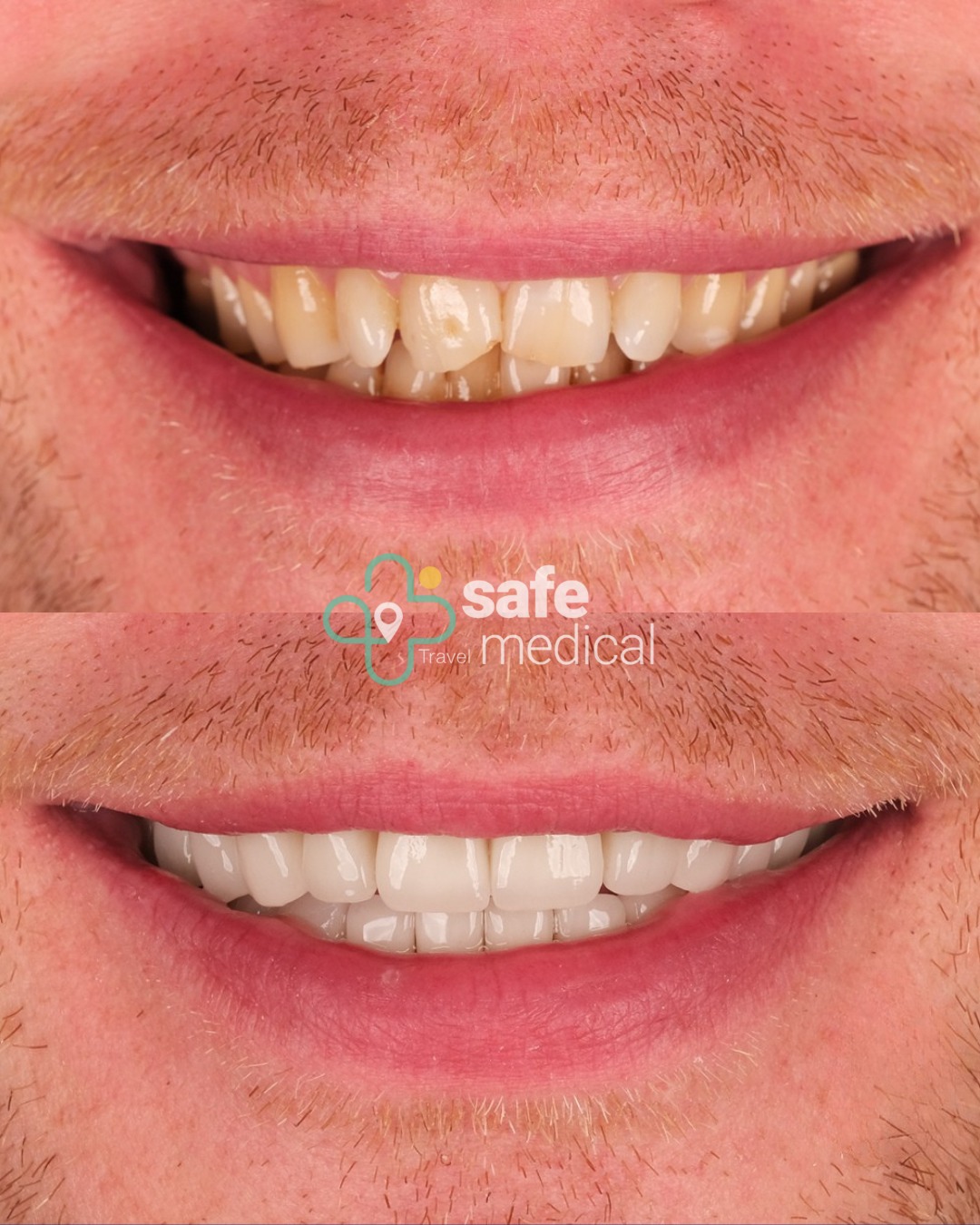
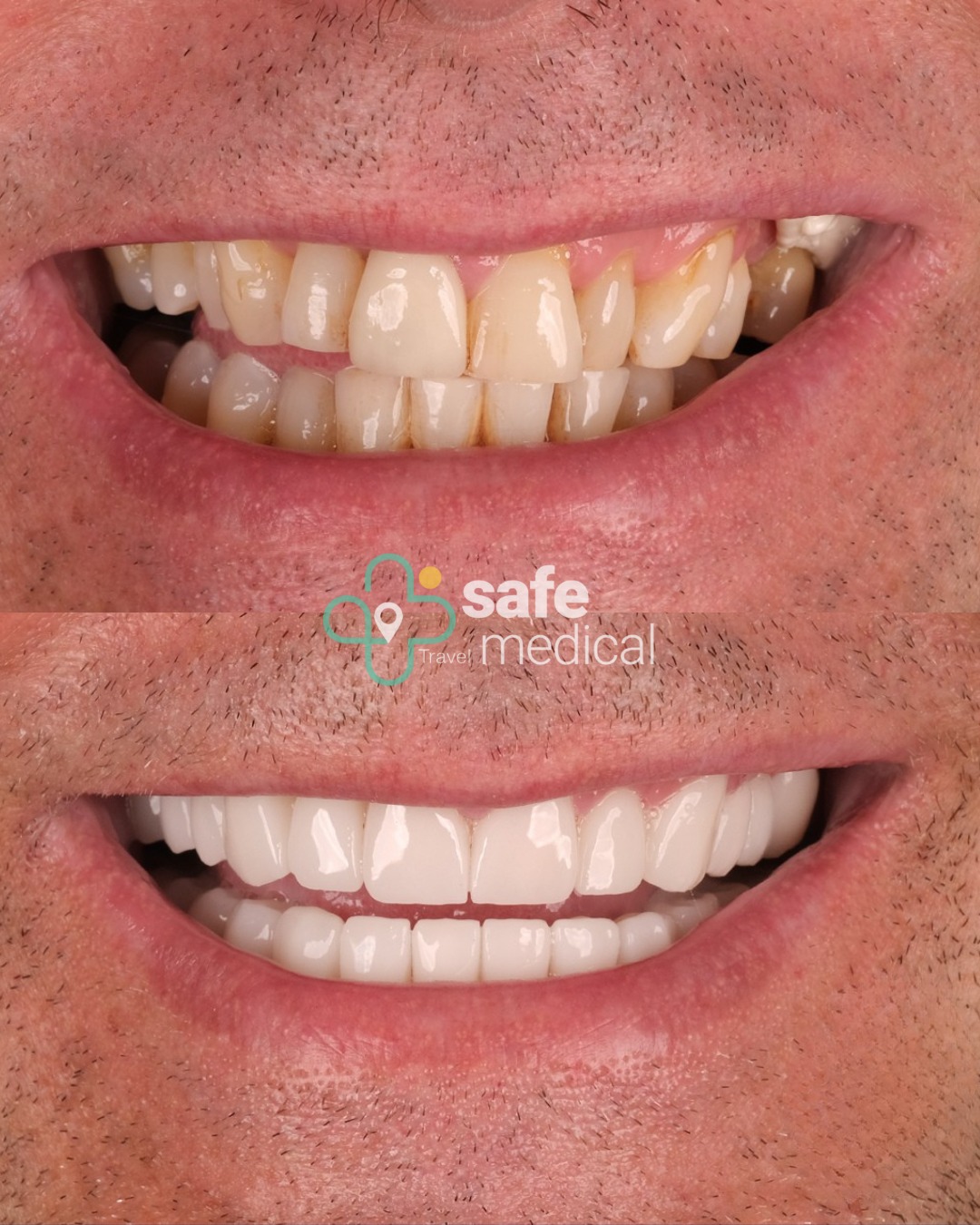
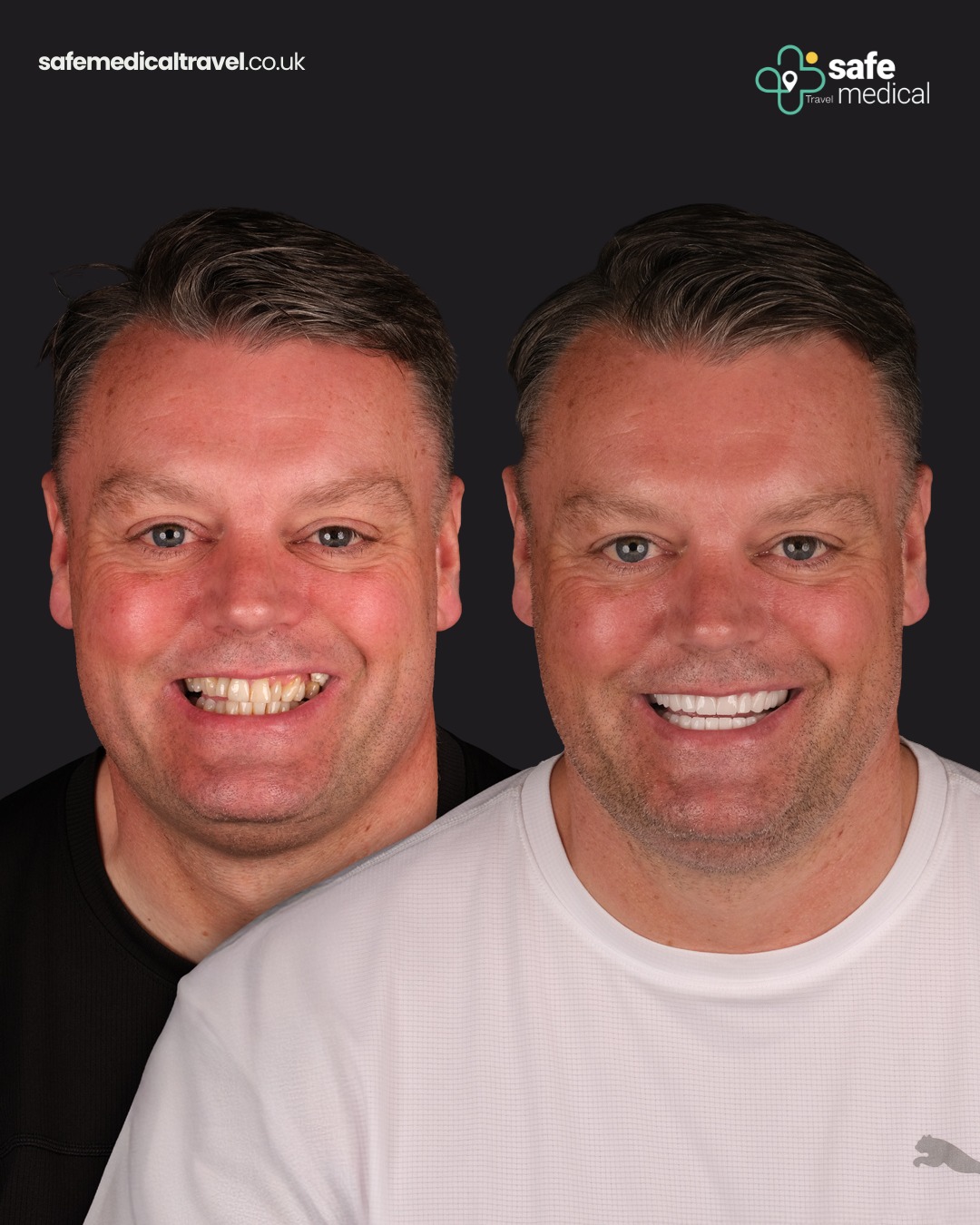
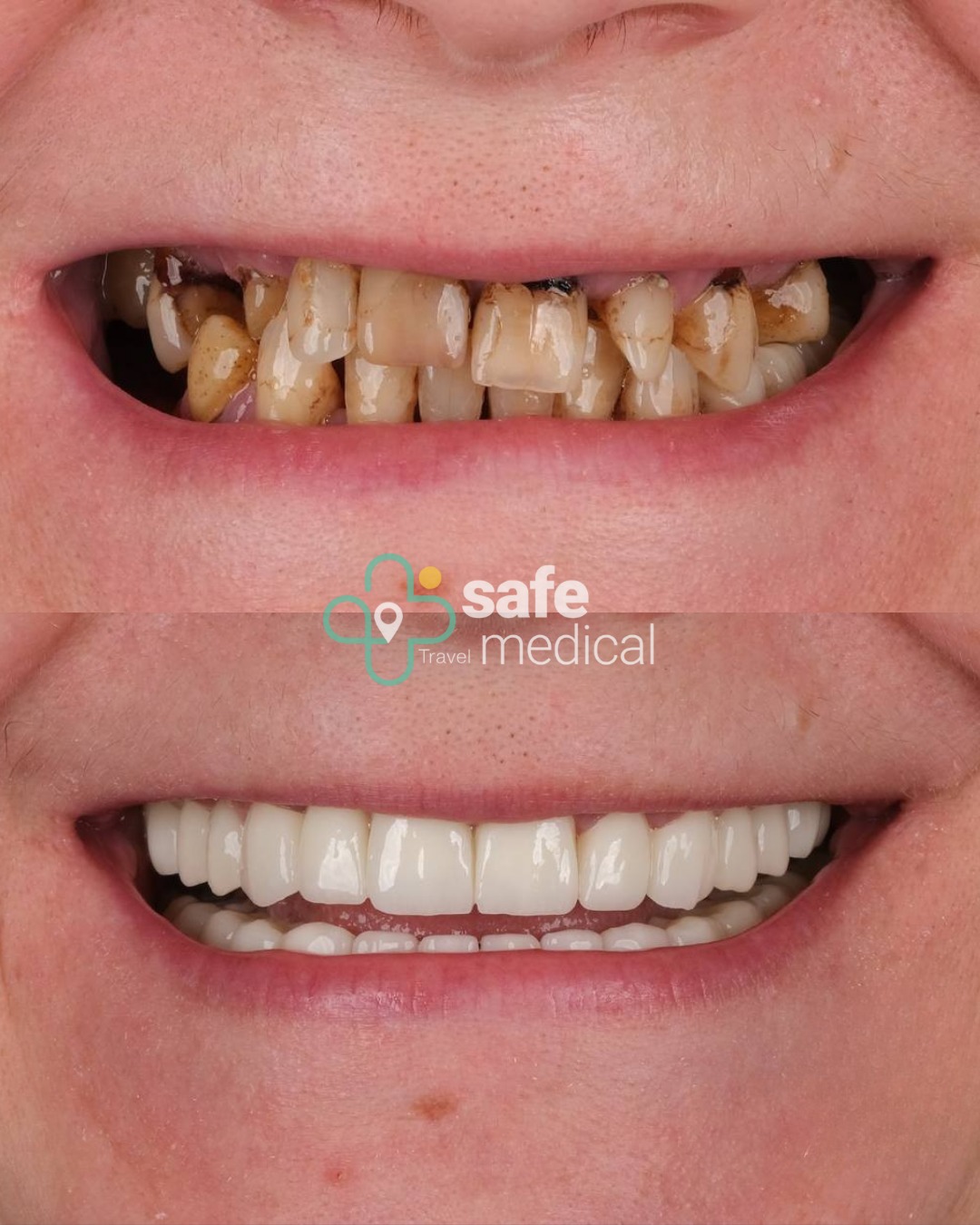
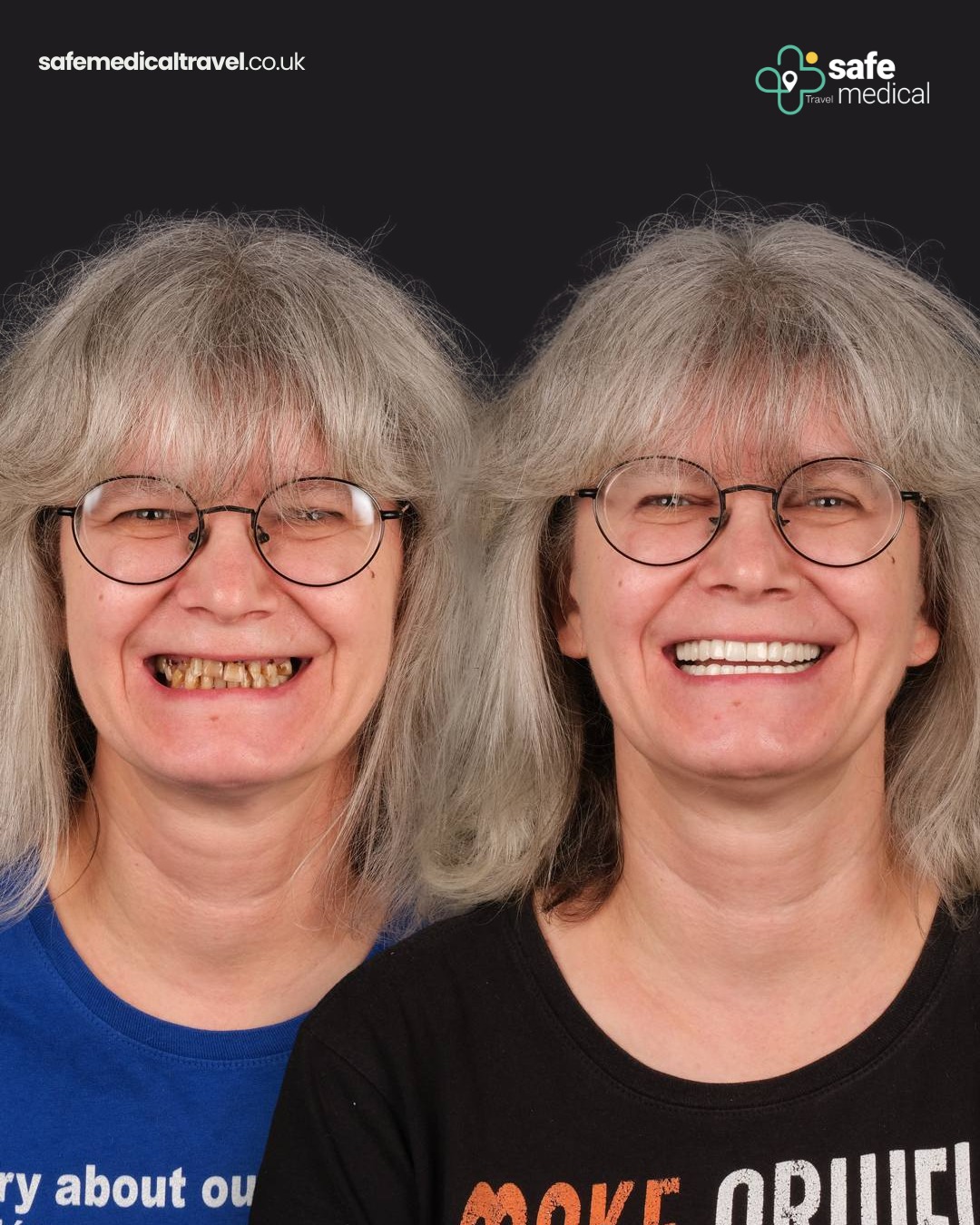
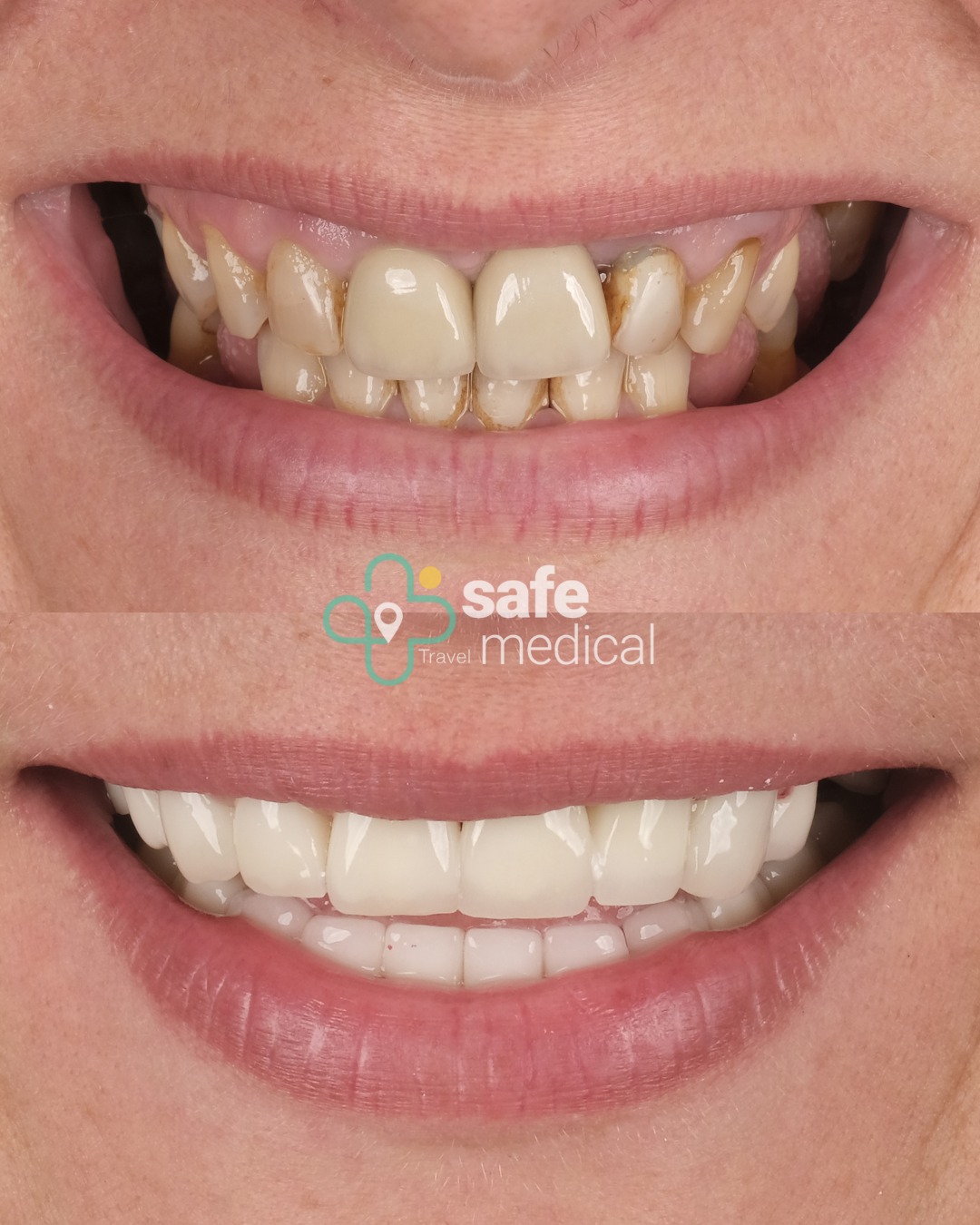
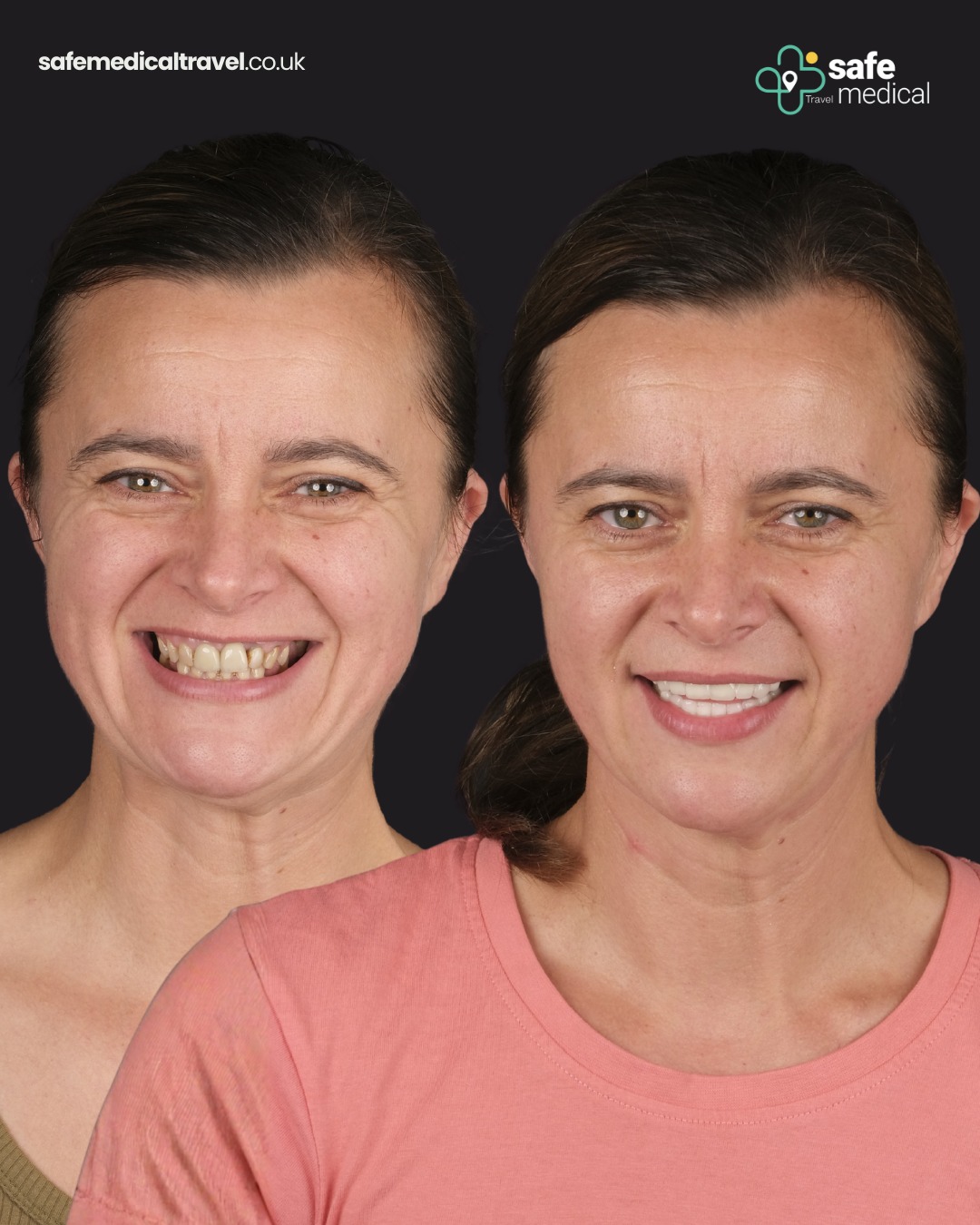
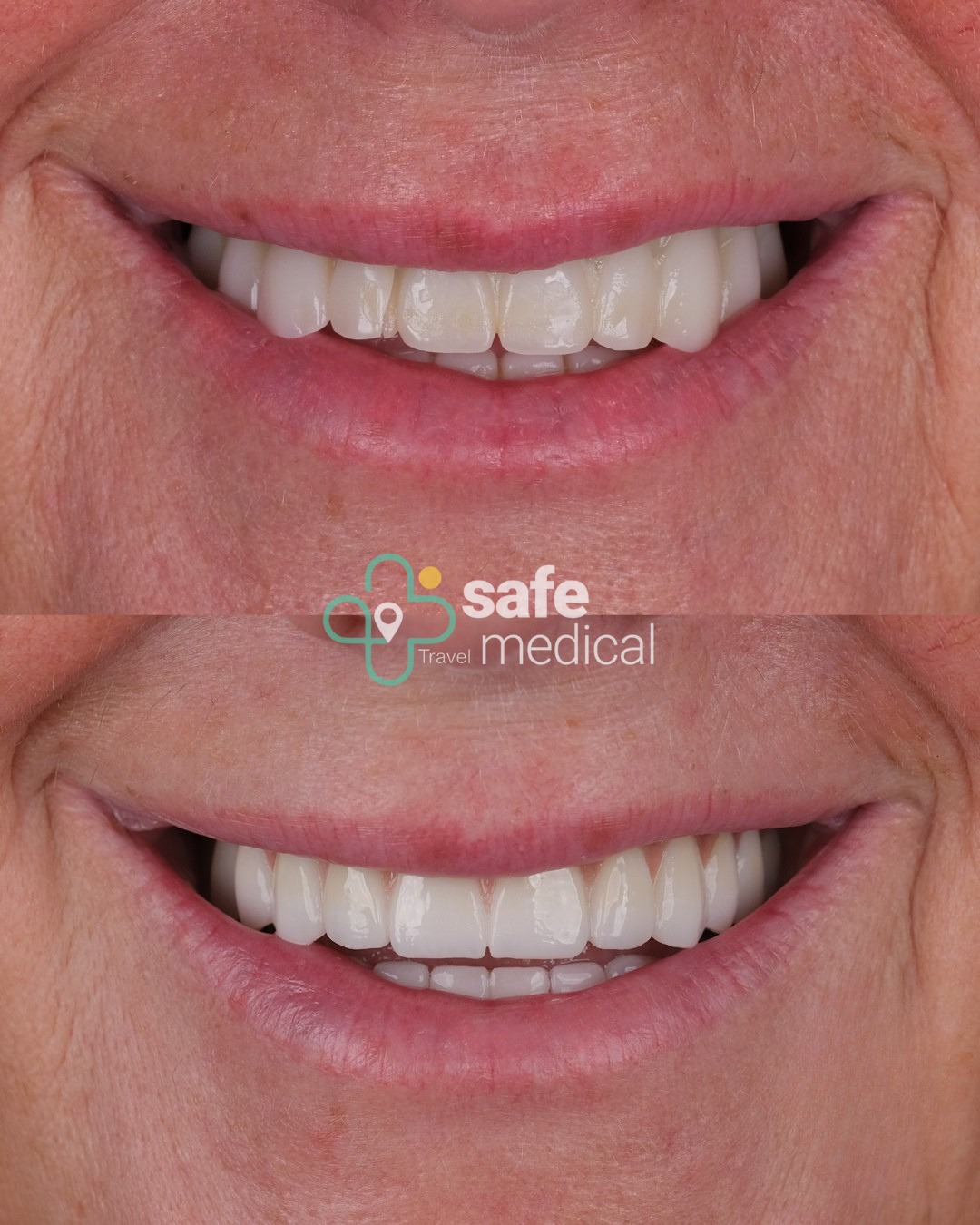
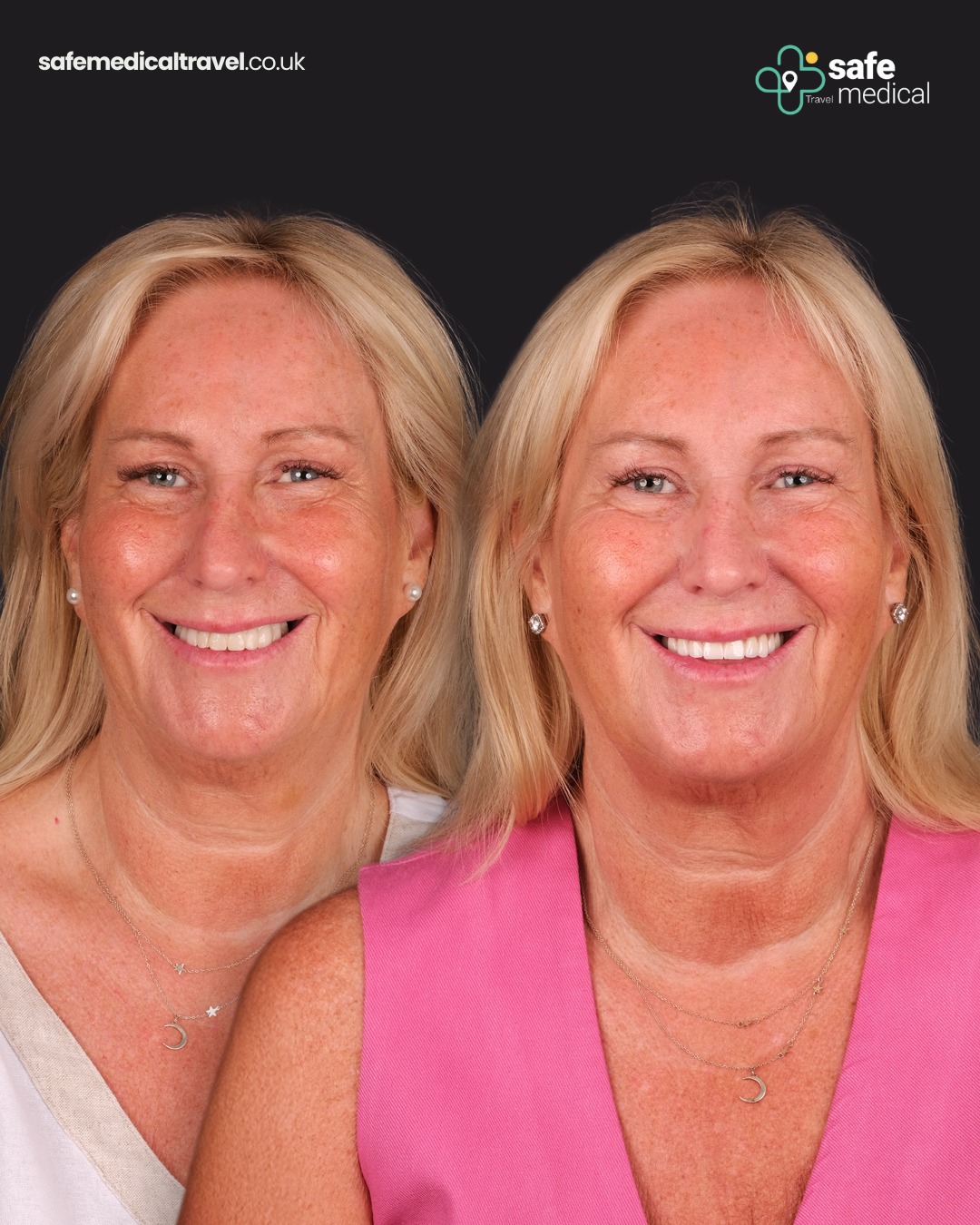
Zirconium Crowns Turkey Before & After

Zirconium Crowns Turkey Reviews
We were by Sara’s side throughout her entire treatment journey, from start to finish, as she achieved a radiant smile with zirconium crown treatment.
Aesthetic smile with 8 implants and full zirconium crown treatment.
Frequently Asked Questions
Are zirconium crowns good?
Yes, zirconium crowns (zirconia) are widely considered one of the best, most versatile, and reliable types of dental crowns available today. They are often the top choice for both dentists and patients for a wide range of situations.
Do zirconium crowns stain?
Zirconium dioxide is an extremely dense and non-porous ceramic. It does not absorb or retain the pigments of substances such as coffee, tea, wine, or tobacco. However,
- In zirconia crowns with porcelain veneers, the porcelain surface may become slightly stained after many years, but this is much less than natural teeth and can be removed with professional cleaning.
- The color of a zirconia crown never changes, but over time, the natural teeth next to it may yellow or stain. This can make the crown appear ‘too white,’ but it does not mean the crown is stained. In this case, you may consider whitening your natural teeth.
- Plaque or tartar (dental calculus) can build up on the surface of the crown and may appear stained. Regular brushing, flossing, and dental cleaning can easily remove these deposits.
Can you have a zirconia crown with porcelain?
Yes, a zirconium crown can be used with porcelain, and this method is quite common in modern dentistry. These types of restorations are called ‘veneered zirconia’ or ‘double-layered zirconium-based restorations.’
Different techniques for using zirconium with porcelain are as follows:
- Layering: This method involves applying porcelain layer by layer onto a zirconium substructure (coping) using a brush.
- Micro-layering: This involves applying a very thin porcelain layer, only 0.1 mm to 0.6 mm thick, onto the zirconium to enhance the aesthetics of the restoration. This technique provides both aesthetic depth and preserves the durability of the material.
- Cut-back: When designing the zirconium substructure, space is made for porcelain (approximately 0.3 - 0.5 mm), particularly on the front (buccal) surface where aesthetics are important, and this section is completed with porcelain.
Will zirconia lose its color?
Zirconium crowns generally have high color stability, but the material may undergo some color changes over time and due to environmental factors.
Zirconium is exposed to a process called ‘low-temperature aging’ in the moist environment of the mouth and under constantly changing temperatures. This process can contribute to color changes by causing micro-cracks and roughening on the surface.
Smoking and excessive consumption of beverages such as coffee, tea, cola, and Nescafé can cause staining and color changes on the zirconium surface beyond clinically acceptable limits.
Does zirconia have an odor when placed?
No, high-quality, properly processed, and cemented zirconia crowns should have absolutely no odor.
- Zirconium dioxide (zirconia) is an inert, non-porous ceramic. It does not release any gases or vapors and does not interact with oral fluids in a way that would produce a smell.
- It is highly biocompatible and used specifically because it does not cause biological reactions that could lead to bad breath or taste.
Is zirconia hypoallergenic?
Yes, zirconia is considered highly hypoallergenic and is one of the most biocompatible dental materials available.
- Zirconia is zirconium dioxide, a high-performance ceramic. It does not contain nickel, chromium, beryllium, or other base metals commonly found in some metal alloys that can cause allergic reactions or sensitivities.
- It is chemically inert and extremely stable in the oral environment. It does not corrode, release ions, or interact with body tissues in a way that triggers an immune response.
- Gums respond very positively to zirconia. It does not cause inflammation, gum discoloration (a common problem with some metal-ceramic crowns), or allergic contact stomatitis.