
What are Zygomatic Dental Implants?
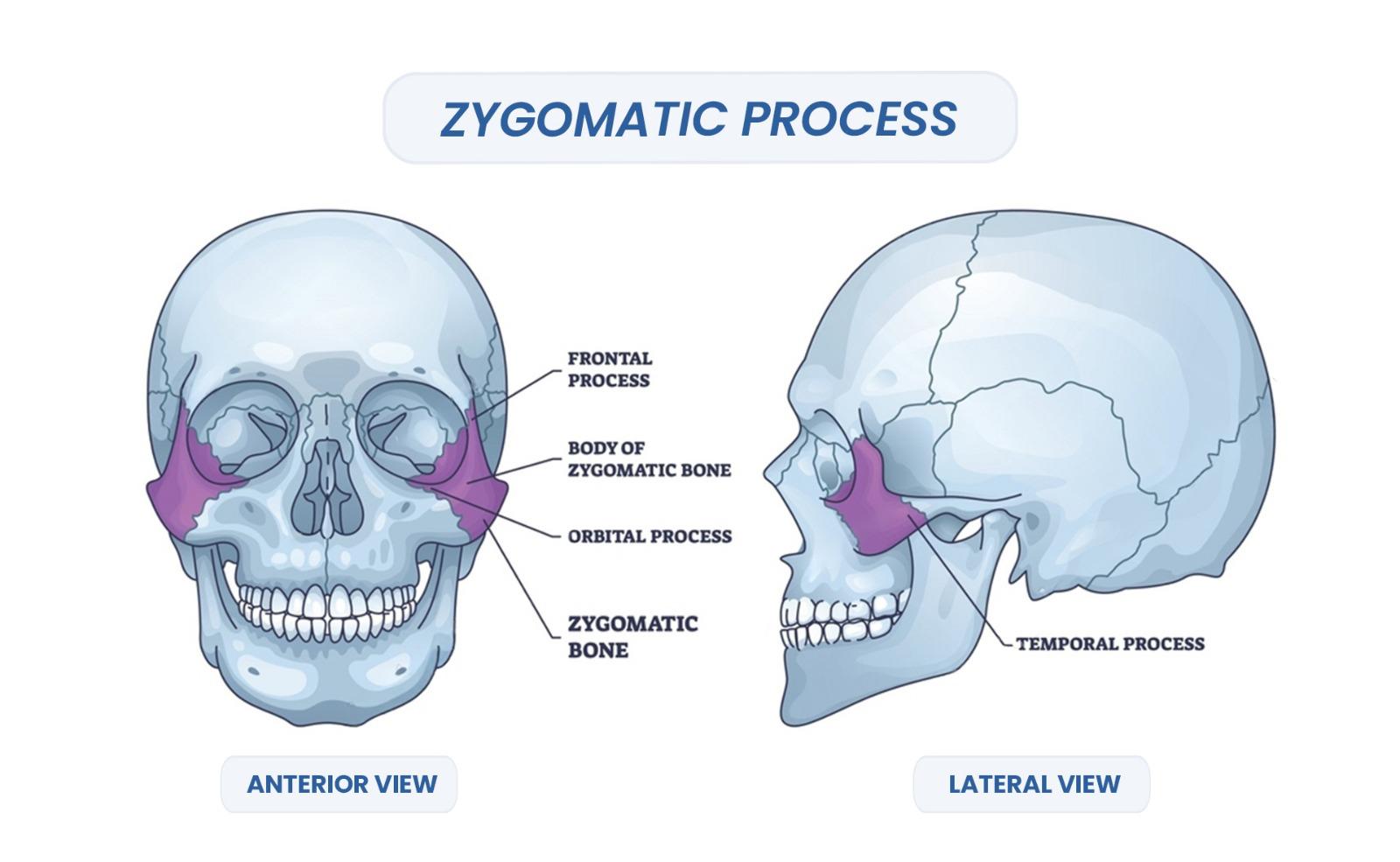
Zygomatic dental implants are specialised, longer implants used in cases where there is insufficient bone in the upper jaw (maxilla) for the placement of traditional dental implants. While normal implants are placed into the jawbone, zygomatic implants are attached directly to the zygomatic bone of the cheek.
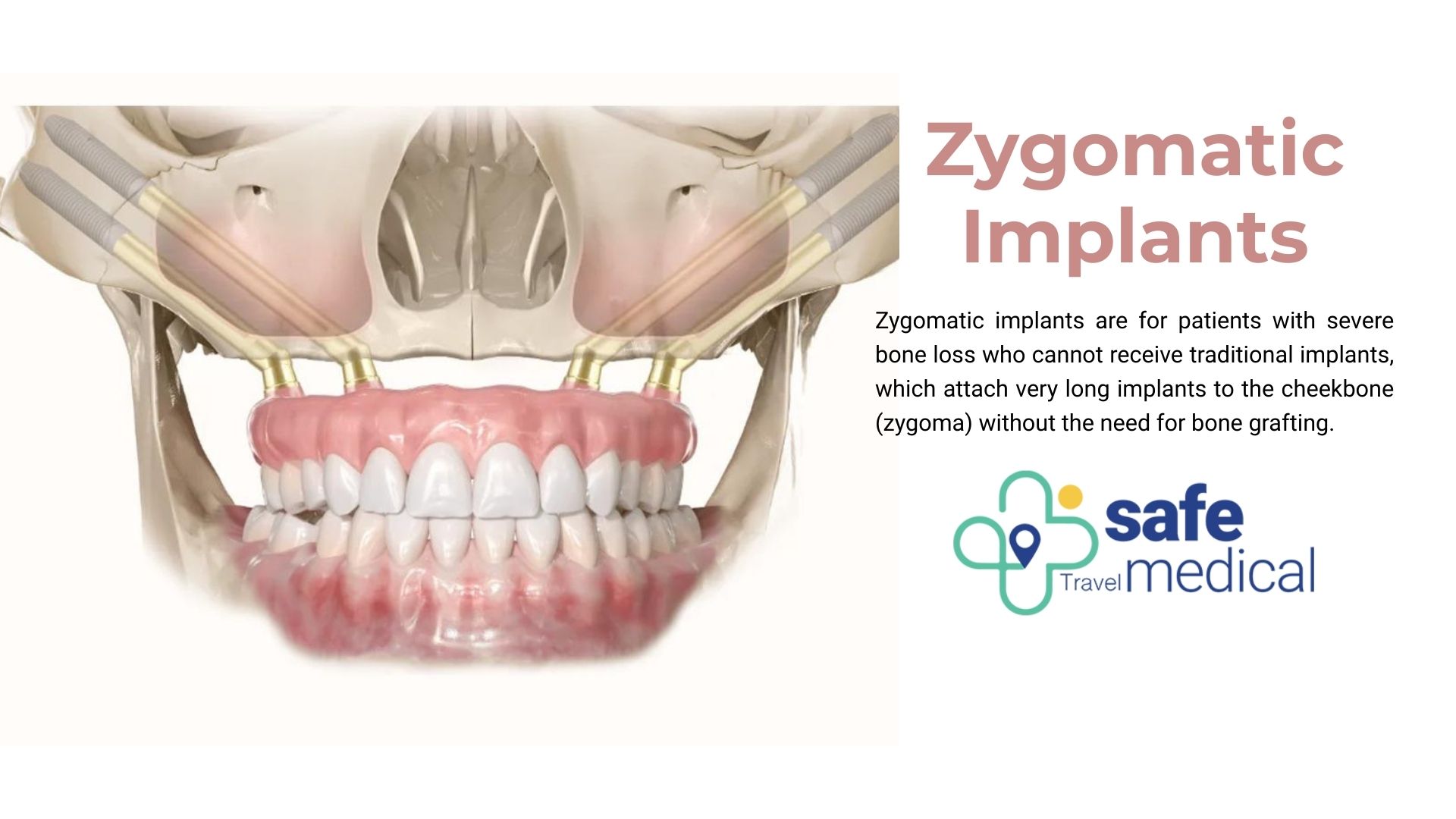
‘Zygoma’ is the medical term for the cheekbone. These implants are much longer than a dental implant (between 40 and 60 mm) and bypass areas where the jawbone is insufficient, drawing support from the dense and strong structure of the cheekbone. This allows patients to obtain a fixed prosthesis without the need for lengthy and complex surgeries such as bone grafting (bone dust and transfer).
What Makes Zygomatic Dental Implants Necessary?
Zygomatic dental implants are a technology developed for cases considered the ‘last resort’ in dentistry. They are used in patients when all traditional methods have reached their limits. The primary requirement for these implants is advanced upper jawbone loss. The following conditions are the main causes of this loss:
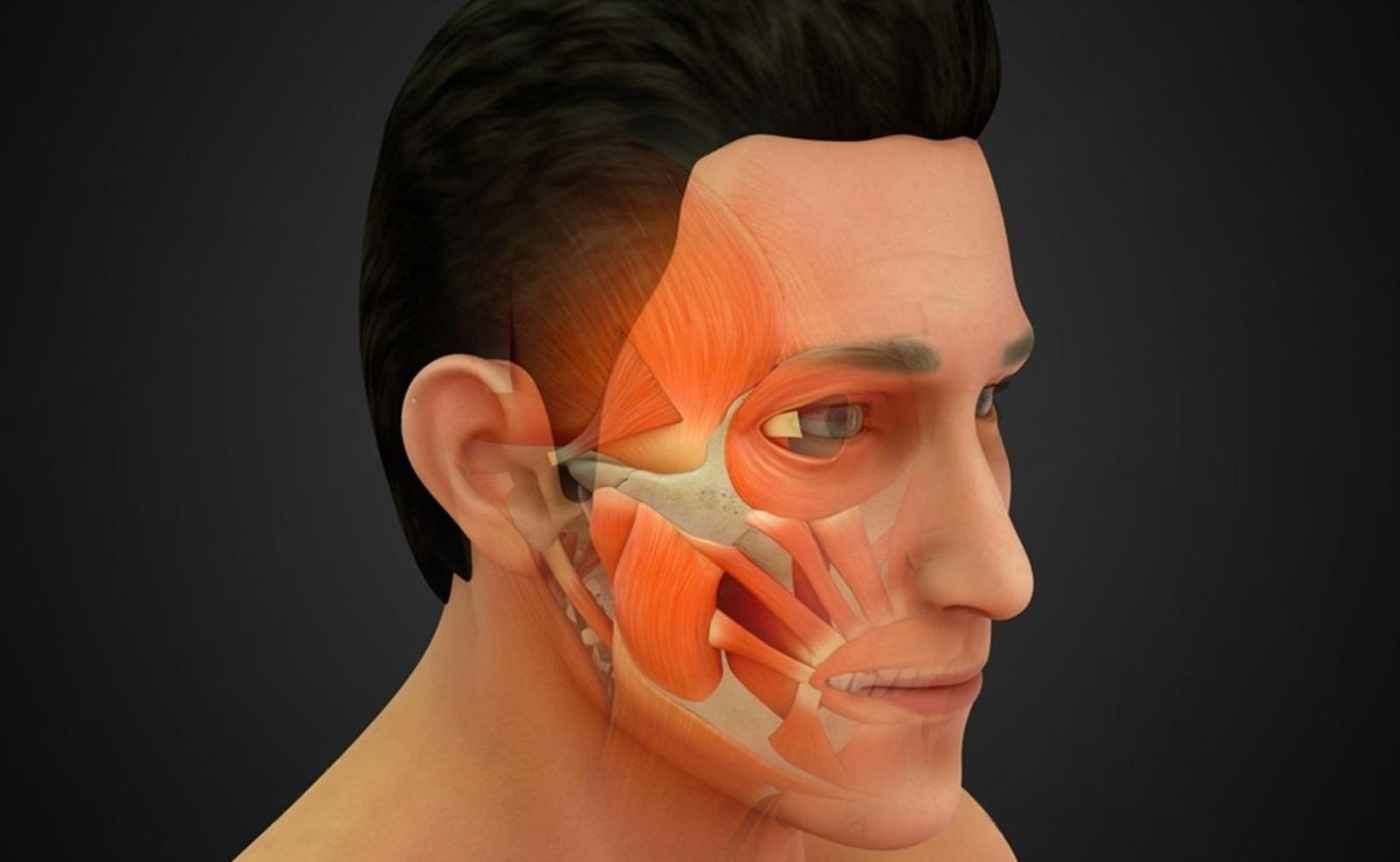
Advanced upper jawbone loss (Atrophy)
The roots of natural teeth constantly stimulate the jawbone, keeping it alive and dense. When a tooth is extracted or lost, this stimulus is removed and the body begins to dissolve the ‘unused’ bone. This is called bone resorption (atrophy). The following conditions are the main causes of this loss:
Prolonged toothlessness:
After teeth are extracted, the jawbone continues to dissolve (resorption). This process accelerates with each month and year of edentulism. The constant pressure exerted on the palate by removable dentures further intensifies this resorption. Over time, the bone diminishes to such an extent that there is no longer sufficient height or width to support traditional implants. This is precisely where zygomatic implants come into play as a solution.
Periodontal (gum) diseases:
Advanced gum diseases destroy the surrounding bone tissue, leading to serious bone loss.
Trauma:
Damage to the jawbone may occur as a result of accidents or injuries.
Tumour or cyst resection:
Bone loss may occur following surgery to remove tumours or cysts in the jaw.
Sinus problem:
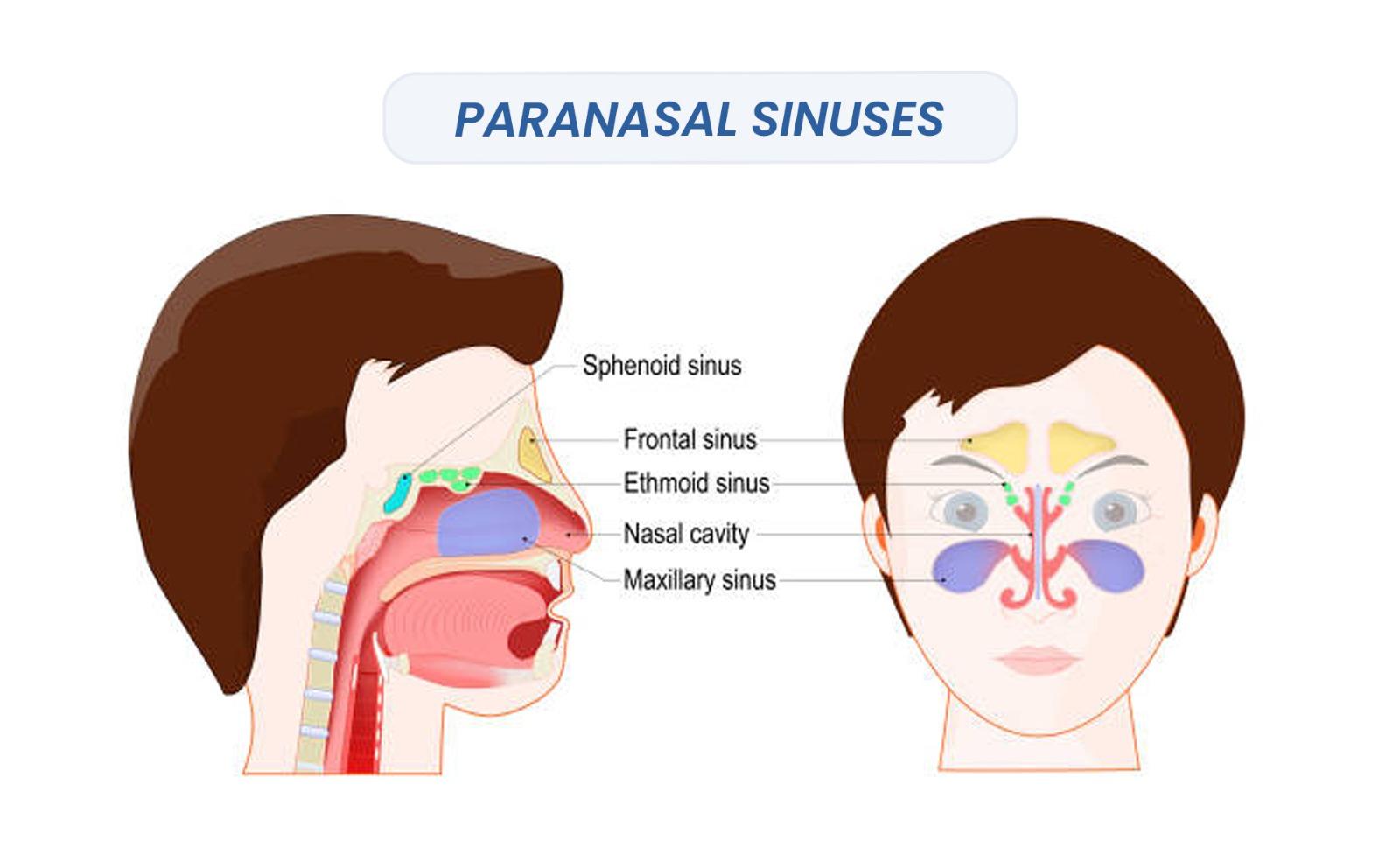
There are cavities called ‘maxillary sinuses’ in the rear region of the upper jaw. When bone is lost, these sinuses expand, and there is insufficient height for an implant. A sinus lift may be required for a traditional implant, but even this may not be sufficient in very advanced cases.
Situations where traditional implants and bone grafting methods have failed or cannot be used
Maxillary sinus problem:
In the rear regions of the upper jaw, there are air-filled cavities called ‘maxillary sinuses’. As the bone deteriorates, these sinuses expand, and the bone height required for the implant is lost. This is called sinus pneumatisation.
In the traditional solution, the sinus membrane is lifted upwards with a sinus lift surgery, and bone powder is filled underneath. If bone loss is very advanced (e.g., bone height has decreased to 1-2 mm), the space to be filled is very large, and the procedure becomes more risky and complex. The healing and maturation of the bone graft requires a long period of 6-12 months. Even after all this time and expense, sufficient and high-quality bone may not be obtained.
Approaching the nasal floor and palatal flattening:
Bone loss in the anterior regions progresses to such an extent that there is insufficient bone remaining for an implant, reaching as far as the nasal floor. Placing an implant here is extremely risky.
The palate gradually flattens, and the retention of the removable denture is completely lost. The denture constantly moves, making speaking and eating almost impossible and deeply undermining the patient's self-confidence.
Zygomatic Implants Pros and Cons
Advantages of Zygomatic Implants
Bone graft surgery is generally not required.
This is the greatest advantage of zygomatic implants. Patients with advanced bone loss normally have to undergo additional and complex surgeries, such as bone grafting or bone harvesting (taking bone from the hip), which can take months.
Zygomatic implants completely bypass this process, reducing the total treatment time and the burden on the patient.
Fast and immediate results: ‘Same-day teeth’
The procedure is usually completed in a single surgery.
Within 24-48 hours after surgery, a temporary but fixed dental bridge (often called a ‘seven-tooth bridge’) is placed over the implants. The patient returns home the same day with fixed teeth, able to eat and smile. This is very different from months of waiting without teeth or with temporary dentures.
High success rate
When performed by an experienced surgeon, the 10-year success rate of zygomatic implants is around 95–98%. This is comparable to the success rates of traditional implants, and in some studies, it has even been found to be higher.
Comfort of not using removable dentures
Patients are freed from all the disadvantages of removable dentures, such as having to remove them at night, using adhesive, and worrying about them moving while eating. They have a denture that feels fixed in the mouth, like their own teeth.
Increased quality of life and self-confidence
Chewing efficiency increases dramatically compared to removable dentures. The patient can comfortably eat a wider range of foods (apples, meat, etc.), which has a positive effect on nutrition and overall health.
Gaining fixed teeth profoundly improves patients' self-confidence and social life.
Significant improvement in facial aesthetics
Advanced bone loss causes the cheeks and lips to sag. The zygomatic implant and the prosthesis on top restore the lost support to the lower part of the face, filling the cheeks, correcting lip contours, and giving the patient a younger and healthier appearance.
Disadvantages of Zygomatic Implants (Disadvantages and Risks)
It is a complex surgery requiring high skill.
The procedure should be performed by highly experienced specialists in oral surgery or those specially trained in this field. The surgeon's knowledge of anatomy and surgical skill are key to success and preventing complications. Incorrect direction or angle can lead to serious problems.
High cost
Specialised implants, advanced technology (3D CBCT, surgical guides), and expert surgical skill are required, making them much more expensive than traditional implant treatments or bone grafts.
Potential complications and side effect risks
Sinusitis:
As the implant passes close to or through the sinus cavity, the risk of sinus infection (sinusitis) is higher than with traditional implants. It can usually be controlled with antibiotics.
Swelling and bruising around the eyes:
It is quite common for temporary bruising (ecchymosis) and swelling to occur around the eyes after surgery. This usually resolves on its own within a few days to a week.
Sensory changes:
Temporary numbness or tingling may occur in the upper lip and cheek area. Although the risk of permanent sensory loss is low, it is higher compared to traditional implants.
Infection:
As with any surgical procedure, there is a risk of infection.
Limited application area
Zygomatic implants are designed almost exclusively for the upper jaw. Different solutions (such as basal implants) may be required for advanced bone loss in the lower jaw.
Prosthesis maintenance is required.
Cleaning around fixed bridges and implants may require more care and some special tools (superfloss, bridge floss, water jet) compared to removable prostheses. Poor oral hygiene can lead to infection (peri-implantitis) and failure around the implant.
Who is a Suitable Candidate for Zygomatic Implants?

Specific patient groups requiring zygomatic implants:
Those who have been using full dentures for a long time:
It is a solution for patients who have been using full dentures (covering all teeth) for years and whose dentures no longer fit and whose bone has been severely resorbed.
Those who are unsuitable for or do not want bone graft surgery:
Medical reasons:
The patient's general health condition (uncontrolled diabetes, bone metabolism disorders, etc.) may mean they cannot tolerate an additional and lengthy bone graft surgery.
Time/cost factor:
The length (9-18 months) and cost of the bone graft and recovery process. The patient may not wish to endure this long wait and additional surgery.
Previous unsuccessful graft attempts:
A bone graft may have been performed previously, but the body may not have been able to form sufficient new bone.
Those with serious anatomical problems:
Cleft lip and palate:
In these patients, upper jaw development may be congenitally insufficient.
Accidents or injuries (Trauma):
Trauma causing significant loss of jawbone.
Tumour/cyst resection:
Large bone cavities formed after removal of a tumour or cyst in the jaw.
Those who have lost all their teeth due to advanced periodontal (gum) disease:
Advanced gum disease erodes not only the gums but also the surrounding bone, causing teeth to loosen and fall out. What remains is a weak jaw, lacking implant support.
Zygomatic Implant Procedure
Comprehensive planning and preparation
Clinical examination and medical history:
The dentist will thoroughly examine your mouth and any existing dentures (if applicable). Your general health, medications, and allergies will be recorded.
3D Cone Beam Computed Tomography (CBCT):
This is essential for the procedure. The CBCT device creates a three-dimensional model of your jawbones, sinuses, and cheekbones (zygomatic bones) in millimetre-thick cross-sections.
Digital surgical planning:
The surgeon plans the operation on the 3D images as if performing a flight simulation.
The position and angle of the implants: The ideal entry point, path, and final destination in the zygomatic bone for each zygomatic implant are precisely determined. The aim is to bypass the sinuses, nerves, and structures in the eye socket in the safest manner possible.
Virtual surgery: This planning allows the surgeon to anticipate potential difficulties and devise solutions in advance.
Surgical guide design (optional): The plan is sometimes converted into a ‘surgical guide’, a transparent plate worn in the mouth, which is produced using a 3D printer. This guide provides the surgeon with physical guidance in placing the implants in the exact location and angle planned, minimising error.
Day of surgery
The procedure usually takes 2-4 hours.
Anaesthesia:
The patient is completely put to sleep under general anaesthesia, or their consciousness is suppressed with deep sedation so that they feel no pain, pressure, or sound. Local anaesthesia is also administered to further numb the area.
Surgical access and flap elevation:
The surgeon carefully makes an incision in the upper jaw, lifting the gum and soft tissue (elevating the flap). This allows for a clear view of the underlying bone structure (or lack thereof).
Bone preparation and path creation:
- The surgeon begins using specially designed, extra-long step-drill bits at the pre-planned entry point.
- The drill safely passes through the very thin jawbone, through or alongside the sinus cavity (depending on the plan), and finally reaches the dense zygomatic bone.
- This stage is where the surgeon's experience is most evident. Maintaining the correct angle and depth is crucial.
Implant placement:
- A long (40-60 mm) zygomatic implant made of titanium is inserted into this opening by turning it like a screw.
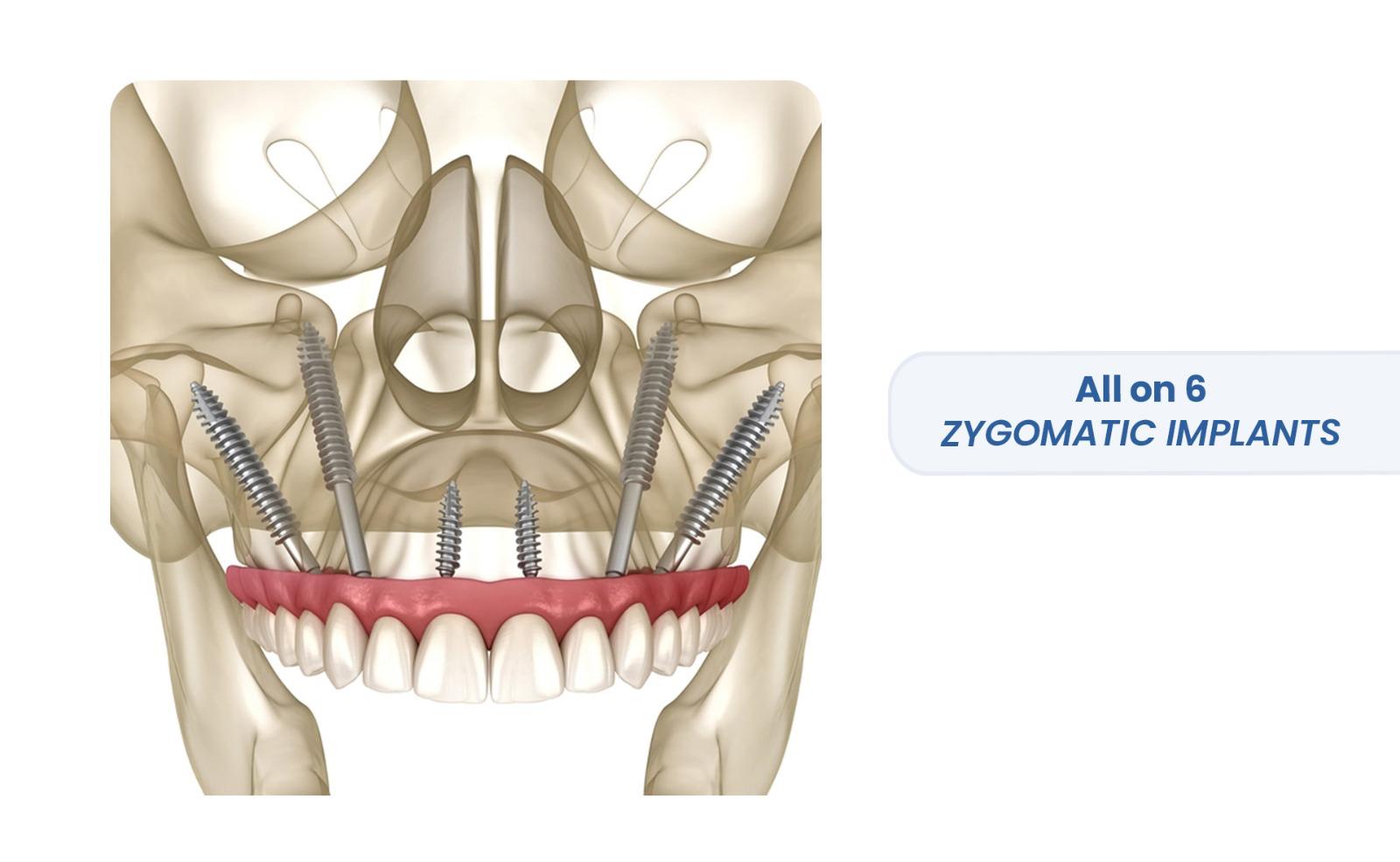
- One end of the implant is firmly anchored deep within the cheekbone, while the other end protrudes into the oral cavity. Generally, one implant is placed on each side (right and left). In some cases, two implants may be required.
Attachment of the abutment:
After the implants are placed, small connecting pieces (abutments) are screwed onto them to hold the dental prosthesis. These abutments are visible inside the mouth.
Suturing and closure:
The gum tissue is carefully sutured and closed around the implants and abutments. The wound area is closed, except for the areas where the abutments protrude.
Prosthesis placement (same day or next day)
- One of the greatest advantages of zygomatic implants occurs at this stage.
- Immediately after surgery or within 24-48 hours, a temporary acrylic bridge attached to the abutments is made.
- This prosthesis is fixed and cannot be removed. The patient gains fixed teeth even while the surgical dressings are still in place.
- This temporary prosthesis is used throughout the healing process (3-6 months). Its purpose is to provide the patient with immediate aesthetics and function and to guide the shaping of the soft tissues.
Healing and final prosthesis
Bone integration (osseointegration):
A period of 3–6 months is required for the implanted implants to fully fuse with the cheekbone. During this period, new bone cells form around the implant, and it becomes part of the body.
Fabrication of the final prosthesis:
- Once osseointegration is complete, the temporary prosthesis is removed.
- New measurements are taken.
- The final prosthesis, which is much stronger, more aesthetic, and longer-lasting, is prepared.
- The final prosthesis is usually made of porcelain supported by metal or entirely of zirconium. This prosthesis is also screwed onto the abutments and fixed in place.
Zygomatic Implants Recovery Time
Factors affecting the healing process:
- The patient's general health: Healing is faster in young and healthy individuals.
- Smoking: Smoking slows down healing by impairing blood circulation and increases the risk of infection. It is one of the most important factors prolonging the healing period.
- Surgical technique and surgeon's experience: A non-traumatic, delicate surgical procedure speeds up recovery.
- Patient compliance with instructions: Strict adherence to the doctor's instructions regarding diet, medication, and oral care makes the process much smoother.
Recovery time
First 2 weeks:
This period covers the immediate aftermath of surgery, when the body's natural responses to surgery (swelling, pain, bruising) are most pronounced.
First 24-48 hours
Swelling (oedema): Swelling is at its maximum level in the face, particularly around the cheeks and eyes. This is completely normal and expected. Cold compresses (ice packs) should be applied to the cheek area for the first 24-48 hours after surgery. Apply for 20 minutes, then take a 20-minute break. Cold helps reduce swelling and pain.
Pain and discomfort: Mild to moderate pain may occur after the anaesthesia wears off. Painkillers prescribed by your surgeon should be taken regularly. Taking medication before the pain sets in makes the process much more comfortable.
Bleeding and leakage: Slight bloody leakage in saliva is considered normal for 24-48 hours. Unless there is excessive bleeding, avoid spitting and swallow instead. Do not rinse your mouth.
Diet: Only cold and liquid foods should be consumed (cold soup, yoghurt, milk, milkshakes, and purées). Hot drinks and foods may increase bleeding.
First week:
Swelling and bruising: Swelling gradually begins to subside. Yellowish-green bruises may appear or increase around the eyes. This is a normal process caused by the body absorbing the blood beneath the skin and will resolve within 7-10 days.
Pain: The need for painkillers decreases significantly.
Nutrition: You can transition to soft foods at room temperature (soft pasta, scrambled eggs, and mashed vegetables). Chewing should not be done on the side where the implants were placed.
Medication: Prescribed antibiotics should be taken regularly until finished, and mouthwashes (containing chlorhexidine) should be used as recommended by the dentist.
Physical activity: Strenuous exercise, heavy lifting, and bending should be avoided. Such activities can increase blood pressure, triggering swelling and bleeding.
Second Week:
Swelling and bruising: Largely subsides. Most patients begin to return to their social lives.
Sutures: Absorbable sutures are generally used. If non-absorbable sutures were used, they are removed this week.
Controlled chewing: Soft foods can be chewed with a temporary prosthesis, but hard and difficult-to-chew foods should still be avoided.
Week 3 - Month 3 - Osseointegration
This period is when everything appears normal from the outside, but the most important process is taking place internally.
- Soft tissue healing: The gums heal completely and form healthily around the implant.
- Bone integration: This is the most vital part of healing. New bone cells begin to form around the implants placed in your jawbone, and the titanium implant fuses firmly to this bone. This process progresses silently; the patient feels nothing.
- Nutrition: You can gradually return to a normal diet, but you should still avoid foods that could put excessive strain on the implants and temporary prosthesis, such as nuts with hard shells, bread crusts, and tough pieces of meat. The temporary prosthesis may break or be damaged during this period.
- Oral hygiene: Oral hygiene is very important during this period. The area around the temporary prosthesis and implants should be cleaned regularly using special toothbrushes, floss (super floss), and interdental brushes recommended by the dentist.
Months Later - Final Prosthesis and Full Recovery
Completion of bone integration: The osseointegration process is generally considered complete after the third month. Your dentist will monitor this process, sometimes with follow-up X-rays.
Placement of the final prosthesis: Once healing and osseointegration are complete, you are ready for your permanent prosthesis.
The temporary prosthesis is removed.
New measurements are taken.
Your final prosthesis, which is much stronger and more aesthetic (usually porcelain-supported metal or zirconium), is prepared and screwed onto your implants.
After the final prosthesis is fitted, your chewing function will be almost like that of your natural teeth. However, it is still recommended to be careful with excessively hard foods.
Zygomatic Implants Cost in the UK, US and Turkey
Cost varies significantly depending on the clinic, the surgeon's expertise, and the quality of materials used. The following prices are approximate and are given for two implants and a temporary prosthesis for both sides (right and left).
United Kingdom: £10,000 - £25,000 GBP.
USA: $20,000 - $50,000 USD or more.
Turkey: Turkey offers clinics specialising in dental tourism and provides a cost advantage. Prices are generally in the range of $5,000 - $12,000 USD (or the equivalent in TL). This price may also include services such as accommodation and transfers.
Zygomatic Implants for The Upper Jaw
Zygomatic implants are a method originally designed and used for the upper jaw. All procedures and advantages mentioned apply specifically to the upper jaw. It has become the gold standard solution for bone loss in the upper jaw.
Zygomatic Implants for The Lower Jaw
The classic concept of ‘zygomatic implants’ does not apply to the lower jaw (mandible), as there is no cheekbone in the lower jaw. However, for patients with severe bone loss in the lower jaw, alternative implants are available that work on a similar principle:
Basal implants (cortical implants):
These implants are also long and attach to the densest and deepest ‘basal’ or ‘cortical’ bone layers of the lower jaw. Like zygomatic implants, fixed teeth can usually be placed on the same day without the need for bone grafting.
All-on-4 with chin tip transplant (mental symphysis):
In some advanced cases, the solid bone in the front region of the lower jaw is used, or implants placed here are positioned at an angle to support the rear regions.
Are Zygomatic Implants Safe?
Yes, zygomatic implants are a safe procedure when performed by an experienced surgeon with accurate diagnosis and planning. The safety of the procedure depends entirely on the surgeon's expertise. Detailed planning using 3D tomography ensures that the implant is placed correctly, avoiding nerves, sinuses, and the eye socket. The complication rate is quite low in experience centres.
Zygomatic Implant Success Rate
Zygomatic implants have very high success rates of 95% to 98% in 10-year follow-up studies. This rate is very close to the success rates of traditional implants. The most important factors affecting success are the surgeon's skill, the patient's oral hygiene, and smoking.
Zygomatic Implants Before and After
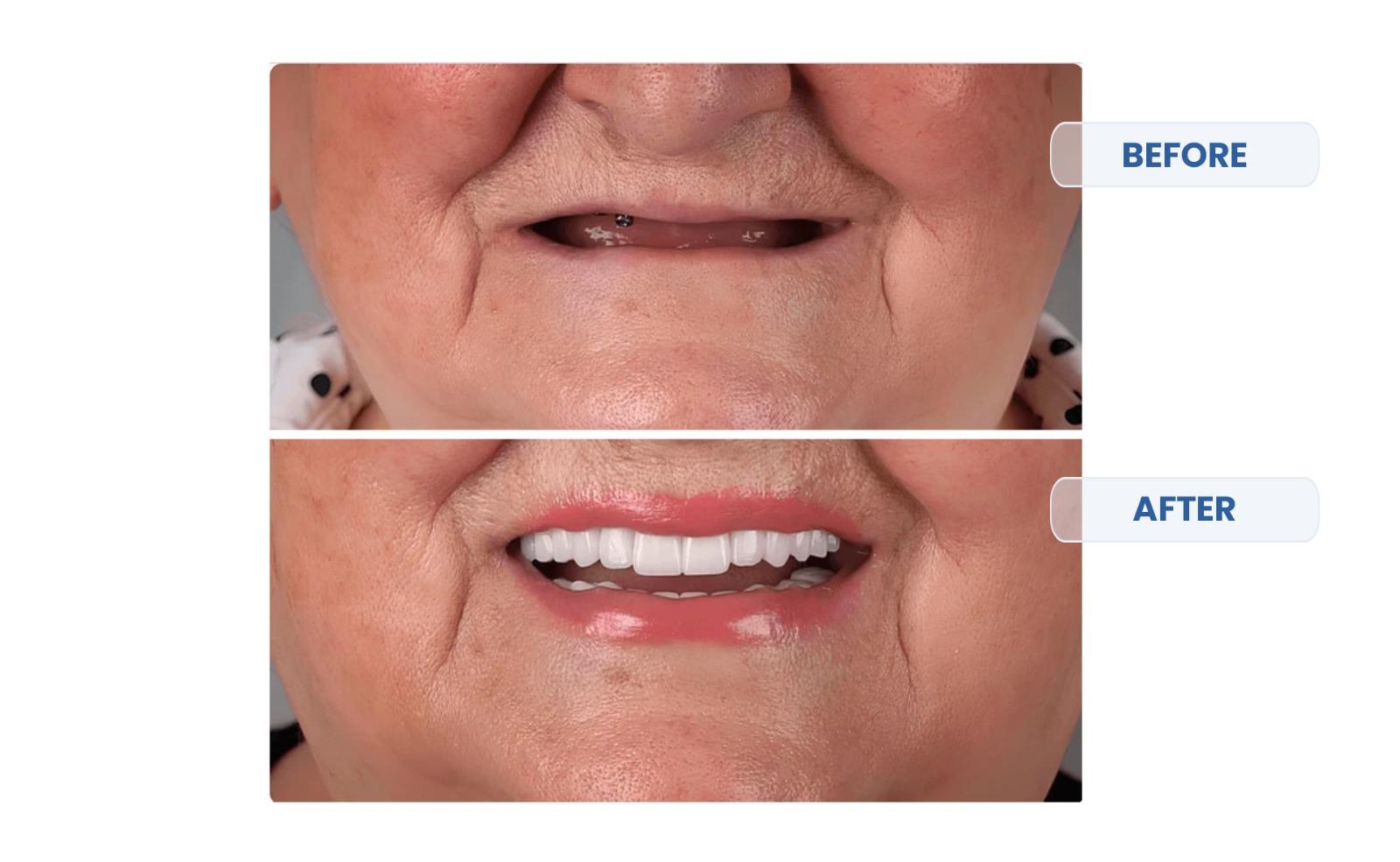
Before: The patient is usually edentulous or has decayed tooth remnants. The lower part of the face appears sunken, and the lips are unsupported, resulting in prominent lines (marionette lines) extending downwards from the corners of the mouth. Chewing function is very weak.
After: The patient gains fixed teeth immediately after surgery. The face becomes fuller, the sunken appearance disappears, and a more youthful expression is achieved. Chewing ability is largely restored. An increase in the patient's self-confidence is observed.
Zygomatic Implant Failure
Failure of zygomatic implants is rare, but possible. Failure is usually due to the implant failing to fuse with the bone (lack of osseointegration) or becoming loose due to subsequent infection (peri-implantitis). Main causes:
- Inadequate surgical technique: Failure to place the implant stably.
- Infection: Poor oral hygiene or contamination during surgery.
- Overloading: Incorrect design of the prosthesis or the patient chewing excessively hard foods.
- Smoking: Heavy smoking impedes healing and bone integration.
The failed implant is removed. Once the area has healed for a period of time, a new zygomatic implant can be placed, or an alternative treatment (bone graft + traditional implant) can be considered.
Are There Any Side Effects or Risks?
Complications also constitute the potential side effects and risks of the procedure. The most common side effects are swelling, bruising, and mild pain during the first week. These are part of the normal healing process and are temporary. Serious risks (eye damage, permanent nerve damage) are extremely rare and are minimised by 3D-planned operations performed by experienced surgeons.
Frequently Asked Questions
How do zygomatic implants work?
Zygomatic implants work on the principle of ‘cantilever’ engineering. Just as a cantilever balcony is supported by the wall, these implants use the strong structure of the cheekbone to support the prosthesis. They bypass the weak area in the jawbone and take support directly from the strongest bone.
What can I eat after zygomatic implants?
For the first few weeks after surgery, soft and cold foods should be consumed: purées, yoghurt, soup, eggs, pasta, etc. Hot drinks should be avoided. Even after a temporary prosthesis has been fitted, hard, difficult-to-chew (meat, bread crusts), sticky (chewing gum, caramel), and pitted foods should be avoided until the implants have fused with the bone (the first 3-6 months).
How long do zygomatic implants last?
With proper care and regular check-ups, zygomatic implants can last a lifetime. The prosthesis (the teeth on top) may need to be replaced every 10-15 years due to wear and tear. Oral hygiene and not smoking are the most important factors in extending their lifespan.
Are zygomatic implants painful?
As the procedure is performed under anaesthesia, the patient feels no pain. After the operation, some discomfort and swelling is to be expected, but this can be easily managed with prescribed painkillers. The pain usually subsides rapidly within a few days.
Can zygomatic implants improve my facial shape?
Yes, in individuals with advanced bone loss, the cheeks and lips collapse inward, causing an aged and unhealthy appearance. Zygomatic implants and prostheses physically support the cheeks, eliminating this sunken appearance. The lips appear fuller, and facial aesthetics are significantly improved.
Are zygomatic implants worth it?
They are definitely worthwhile for patients with severe upper jawbone loss who want to quickly obtain fixed teeth without bone grafting. Getting rid of the physical and psychological discomfort caused by removable dentures greatly improves quality of life.
Can zygomatic implants be removed?
Yes, they can be removed. However, this is not a simple procedure. As the implant has fused with the bone, surgical intervention is required to remove it. This procedure is generally only considered if the implant has failed or a serious complication has developed. Once removed in a planned manner, the area heals, and, if necessary, a new implant can be placed or another prosthesis option can be chosen.