
E-max vs Zirconia Crowns in Turkey
If your dentist has told you that you need a crown, chances are the next question was "E-max or zirconia?" They are both metal-free ceramics, they both look good and they can both last well over ten years. But they are not interchangeable, and the right one depends on which tooth is being restored, how you bite and what you want the result to look like.
This guide takes you through how each crown is made, where each one shines and what you can expect to pay for dental crowns in Turkey compared with the UK.
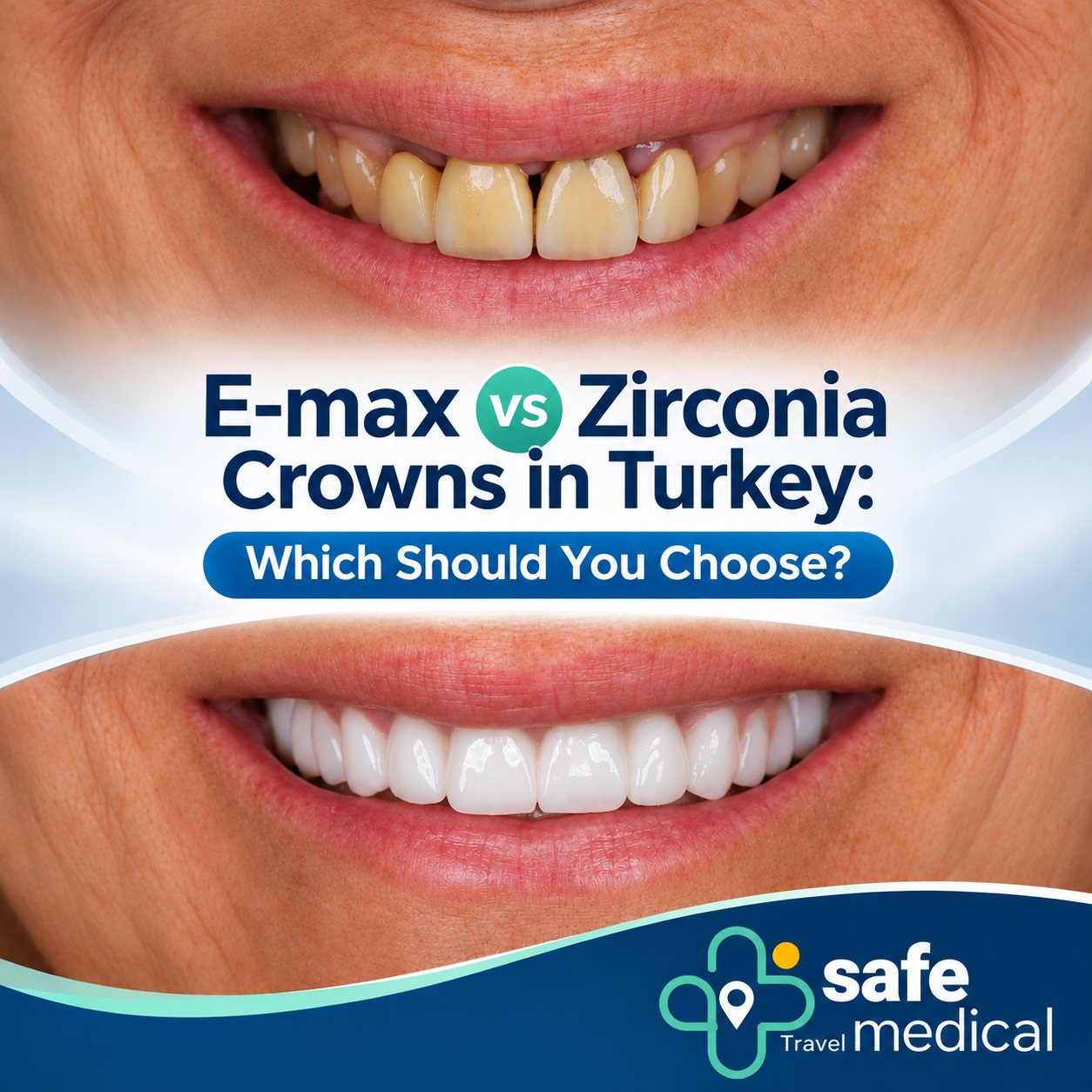
What Are E-max Crowns?
IPS e.max is a product family from Ivoclar. Here, E-max crowns refers to lithium disilicate crowns made with IPS e.max CAD or IPS e.max Press. The wider family also includes zirconia products under the IPS e.max ZirCAD name. Not every lithium disilicate crown is an IPS e.max crown.
Many people know E-max mainly as a veneer material, but it is used for both veneers and full crowns. A veneer is a thin shell that covers only the front surface of a tooth, while a crown covers the whole tooth and is chosen when a tooth is more heavily damaged, decayed or weakened. If you are unsure which one you need, our guides on crowns vs veneers and composite vs porcelain veneers explain the differences in more detail.
Manufacturer references: IPS e.max CAD and IPS e.max Press. Check the current instructions for use for product-specific requirements.
What Is Lithium Disilicate?
Lithium disilicate is a glass-ceramic filled with tiny, interlocking crystals. The crystals give it strength, and the glassy matrix lets light pass through it in a way that is very close to natural enamel. This combination of good strength and true translucency made it the material of choice in cosmetic dentistry.
Flexural strength depends on the product, processing and test method. Ivoclar currently reports 530 MPa for IPS e.max CAD after crystallisation. Both CAD and Press can be used for anterior and posterior single crowns when clinical conditions and manufacturer instructions are met.
How E-max Crowns Are Made
With IPS e.max CAD, the crown is milled from a partially crystallised block, then fired to develop its final properties and shade. With IPS e.max Press, a wax pattern creates a mould into which heated ceramic is pressed. Both methods can produce full-contour crowns or restorations with additional porcelain layering where indicated.
Press does not require the same post-milling crystallisation step as CAD. The crown is finished by polishing, staining, glazing or layering as appropriate. Cementation is selected according to the restoration, preparation and manufacturer instructions.
What Are Zirconia Crowns?
Zirconia is zirconium dioxide, a white ceramic originally used in medical implants such as hip replacements. It is the strongest widely used crown material in dentistry, and newer generations look far better than the chalky, opaque zirconia of ten years ago. You can read more in our guide to zirconium crowns in Turkey.
Full Zirconia vs Layered Zirconia
This difference matters more than most patients realise.
- Full (monolithic) zirconia is a single solid piece of material that is stained and glazed. It is very hard and very unlikely to chip. Modern high-translucency types look good but may appear a little flatter than E-max in direct light.
- Layered zirconia has a zirconia core covered with porcelain that is fired to match enamel. It looks much more natural, but the porcelain layer is the weaker part and can chip over time, especially in people who clench.
If a clinic quotes you for zirconia, ask which type it is. There can be a big difference in both price and performance.
How Zirconia Crowns Are Made
Zirconia crowns are almost always milled. Your tooth is digitally scanned, and the data is sent to a milling machine that cuts the crown from a pre-sintered zirconia block, slightly larger than the finished crown. The crown is then fired at very high temperatures, around 1,400 to 1,500°C, during which it shrinks to its final size. Finally, it is stained, glazed and polished, ready to fit.
The entire process is digital, and many Turkish clinics with in-house labs can produce zirconia crowns quickly and with consistent accuracy.
E-max vs Zirconia Crowns: Key Differences
| Feature | E-max Crowns | Zirconia Crowns |
|---|---|---|
| Material | Lithium disilicate glass-ceramic | Zirconium dioxide |
| Flexural strength | 530 MPa reported for IPS e.max CAD; product and test dependent | Varies by grade and translucency |
| Translucency | Excellent | Good (high-translucency grades) |
| Tooth reduction | Depends on product, design and cementation | Depends on zirconia grade and design |
| Typical lifespan | 10–15+ years | 10–15+ years |
| Best for | Anterior and posterior single crowns in suitable cases | Crowns, bridges and implant restorations, depending on product |
| Cost in Turkey (per tooth) | £150–£300 | £120–£250 |
Appearance and Translucency
E-max has the translucency closest to natural enamel, which is why many cosmetic dentists prefer it for upper front teeth. Light passes into the crown and reflects back, so it does not look painted on.
Zirconia has come a long way, and high-translucency grades are now very convincing, especially on premolars and in less visible positions. But side by side on front teeth, E-max usually looks more natural.
Strength and Durability
Many zirconia grades have higher flexural strength than lithium disilicate, but this varies by product and translucency. Crown thickness, design and your bite also affect the choice, especially if you grind your teeth.
E-max can be suitable for front and back single crowns. Heavy biting forces require individual assessment; a suitable monolithic zirconia product may be preferred in some cases.
Lifespan
Both materials usually last 10 to 15 years with good care, and many last longer. Lithium disilicate crowns have shown high survival rates in clinical studies over the past decade, with zirconia performing similarly or slightly better in areas with heavy bites.
It is rarely the material alone that shortens a crown's life. Gum disease, decay at the crown margin, grinding and poor fit do far more damage than the choice of ceramic.
Tooth Preparation
Some monolithic zirconia products allow thinner restorations than lithium disilicate. Neither material has a universal preparation depth: required thickness depends on the product, tooth surface, design and cementation method. The dentist should follow current manufacturer instructions and preserve sound tooth structure wherever possible.
That difference is a good reason to talk to your dentist about preserving as much of your natural tooth as possible.
Effect on Opposing Teeth
Older zirconia had a reputation for wearing down the opposing teeth. That is mostly true when the surface is rough or unpolished. A well-polished or properly glazed monolithic zirconia crown is gentle on opposing teeth, and lithium disilicate is usually kind to opposing enamel as well.
In short, polish and fit matter as much as the material itself. A good dentist will check your bite carefully once the crowns are placed.
Biocompatibility and Gum Health
Both materials are metal-free and well tolerated by the gums. They will not cause the dark gum line or metallic taste sometimes seen with older porcelain-fused-to-metal crowns. Zirconia is especially noted for attracting little plaque to its polished surface, which is good for the gums, but E-max is also considered very safe and compatible. Either is a good option if you have a metal allergy.
Pros and Cons of E-max Crowns
Advantages
- Best natural look, with excellent translucency and light behaviour
- Bonds strongly to tooth structure, which can support weaker teeth
- Works well for thin restorations such as veneers and conservative crowns
- Gentle on opposing teeth
- Reliable colour matching for front teeth
Disadvantages
- Less strong than zirconia, so not ideal for heavy grinders
- Needs more tooth reduction in many cases
- Can fracture under extreme bite force
- Usually costs a little more than zirconia
Pros and Cons of Zirconia Crowns
Advantages
- Outstanding strength and fracture resistance
- Some monolithic products allow thinner restorations when clinically appropriate
- Excellent for molars, bridges and implant restorations
- Resists staining and plaque well when polished
- Often slightly cheaper, especially in monolithic form
Disadvantages
- Can look flatter than E-max on visible front teeth
- Layered zirconia can chip in the porcelain layer
- Harder to adjust after fitting, so accuracy at the scanning stage matters
- A poorly polished crown may wear opposing teeth
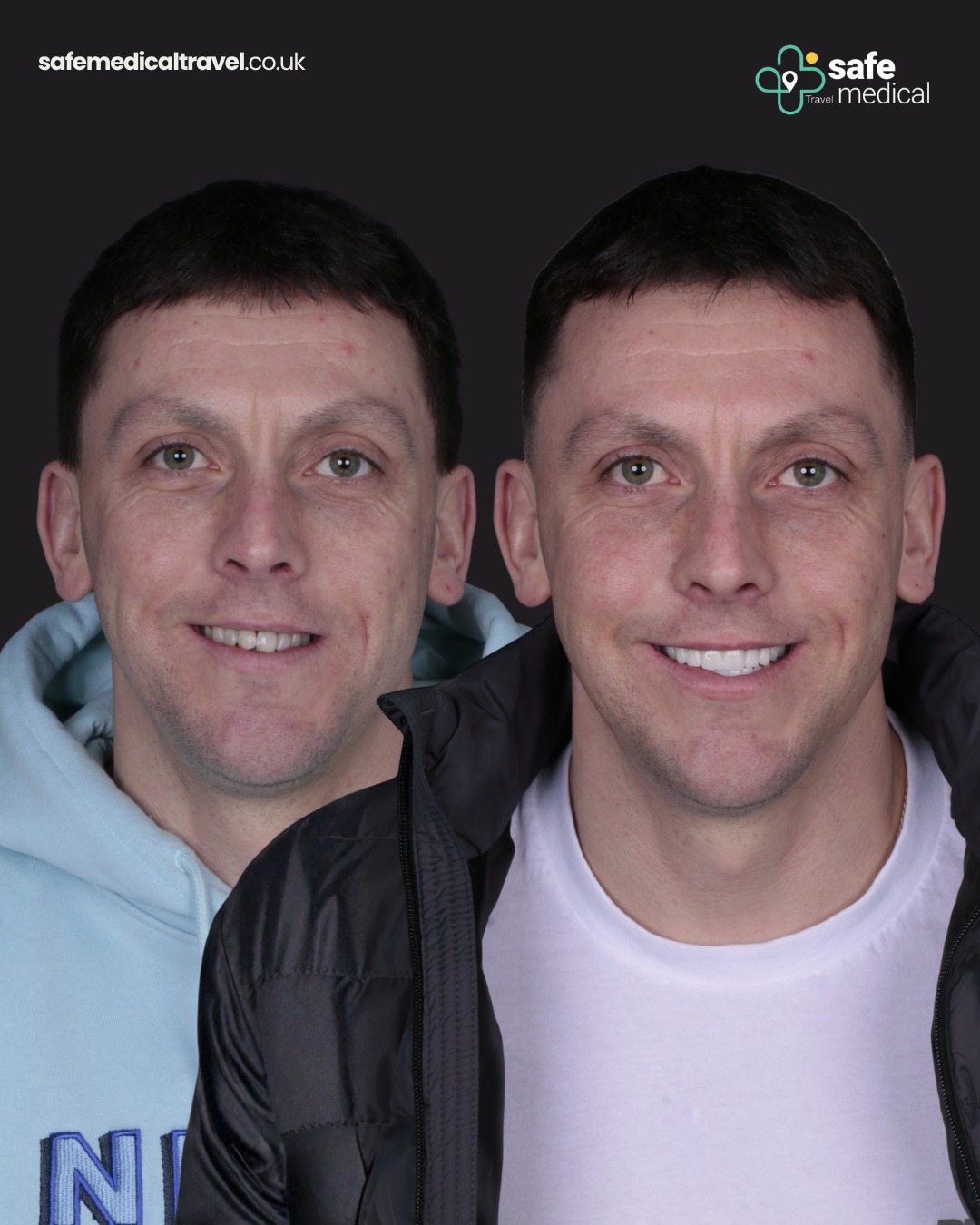
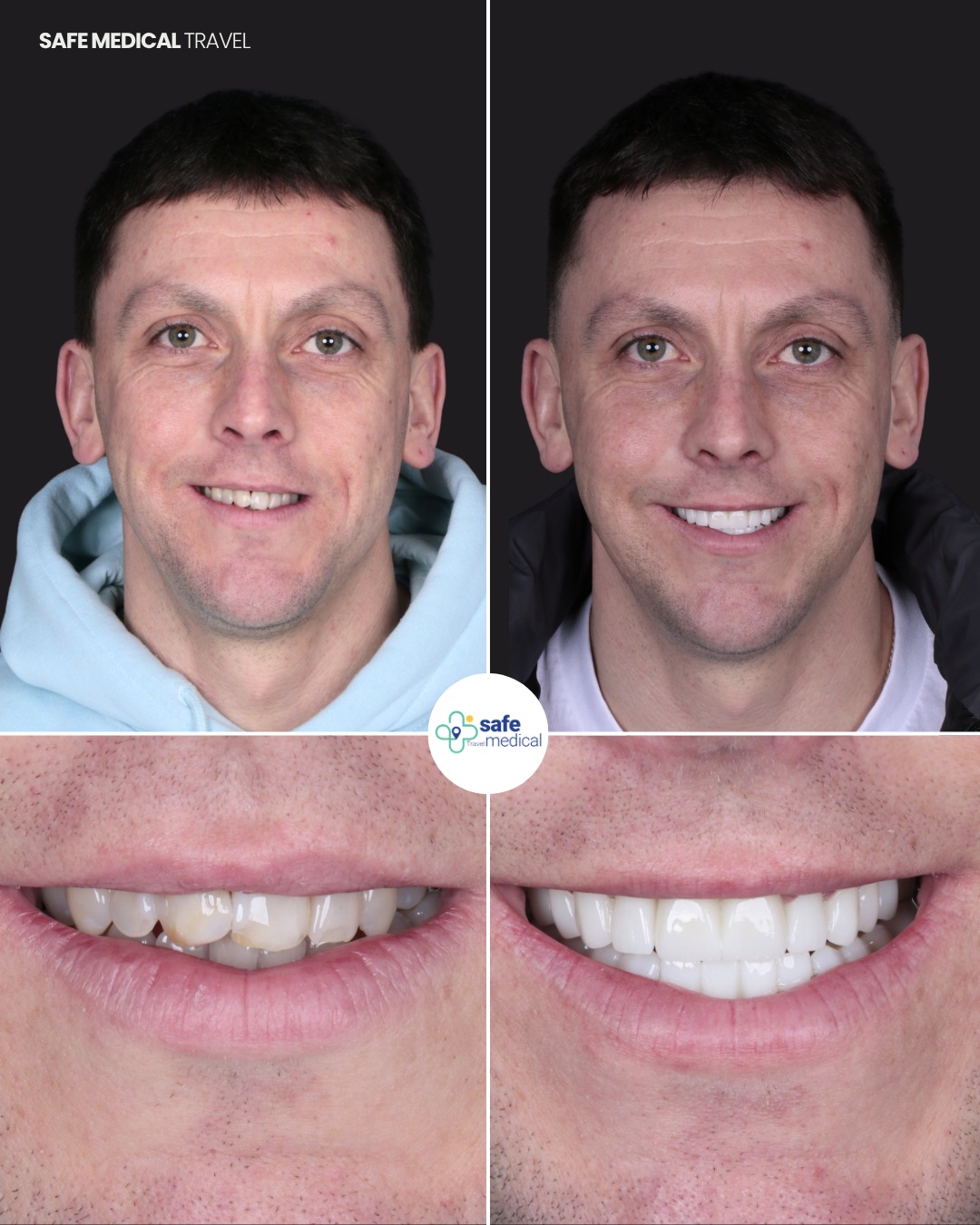
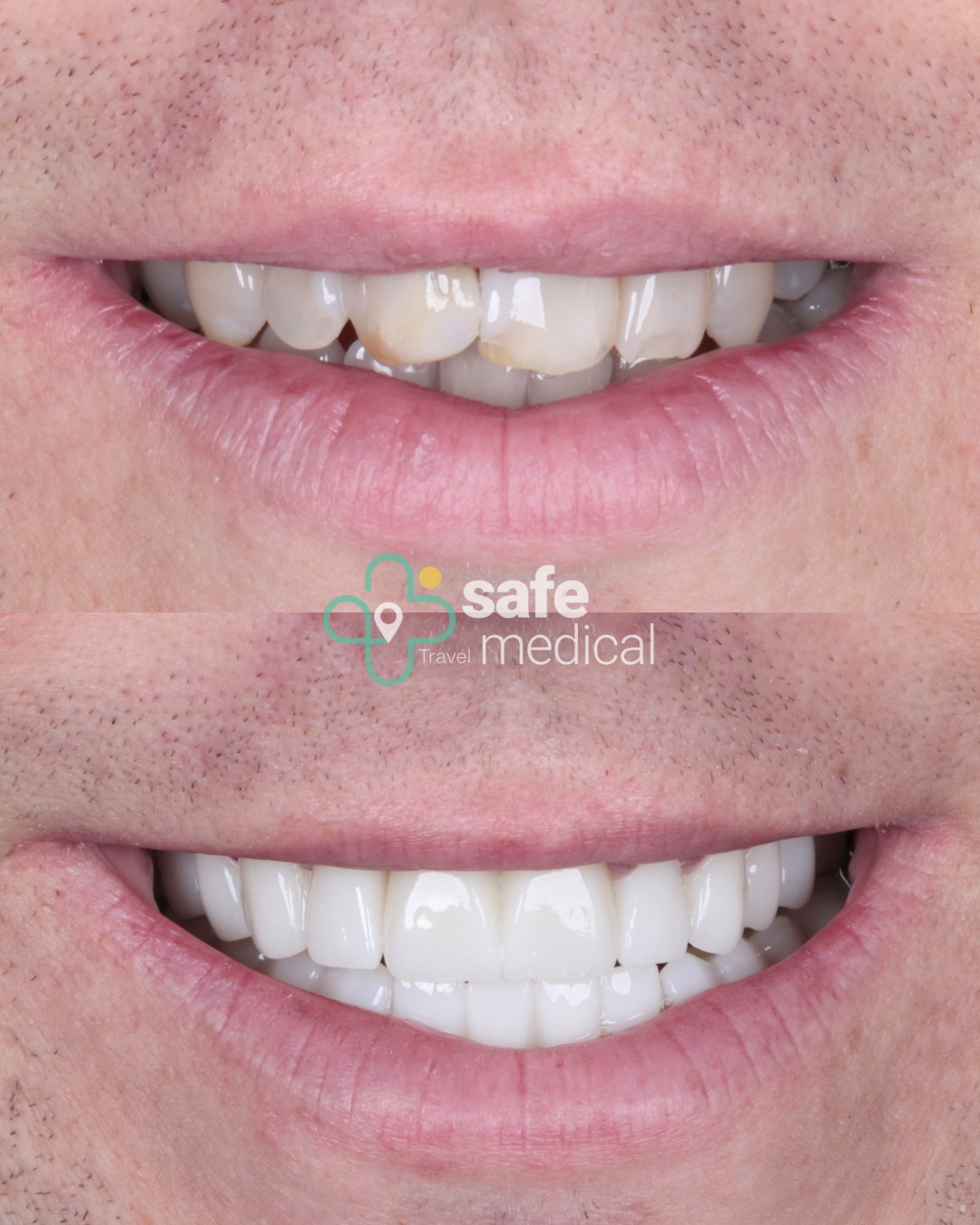
For Daniel, zirconium crown treatment was about achieving a smile that felt natural, confident, and effortless. The final result brought balance, aesthetics, and a renewed sense of self-confidence that goes far beyond the mirror.
Front Teeth vs Back Teeth: Which Crown Works Best Where?
Best Crown for Front Teeth
E-max is often considered for visible front teeth because of its optical properties. Suitable zirconia products can also provide an aesthetic result. The choice depends on the underlying tooth colour, space, bite and the shade and translucency needed.
Best Crown for Molars and Back Teeth
Monolithic zirconia may be preferred for molars when high loads or limited space are concerns. E-max CAD and Press also have indications for posterior single crowns when preparation, thickness and bite meet manufacturer requirements. Material selection requires an individual examination.
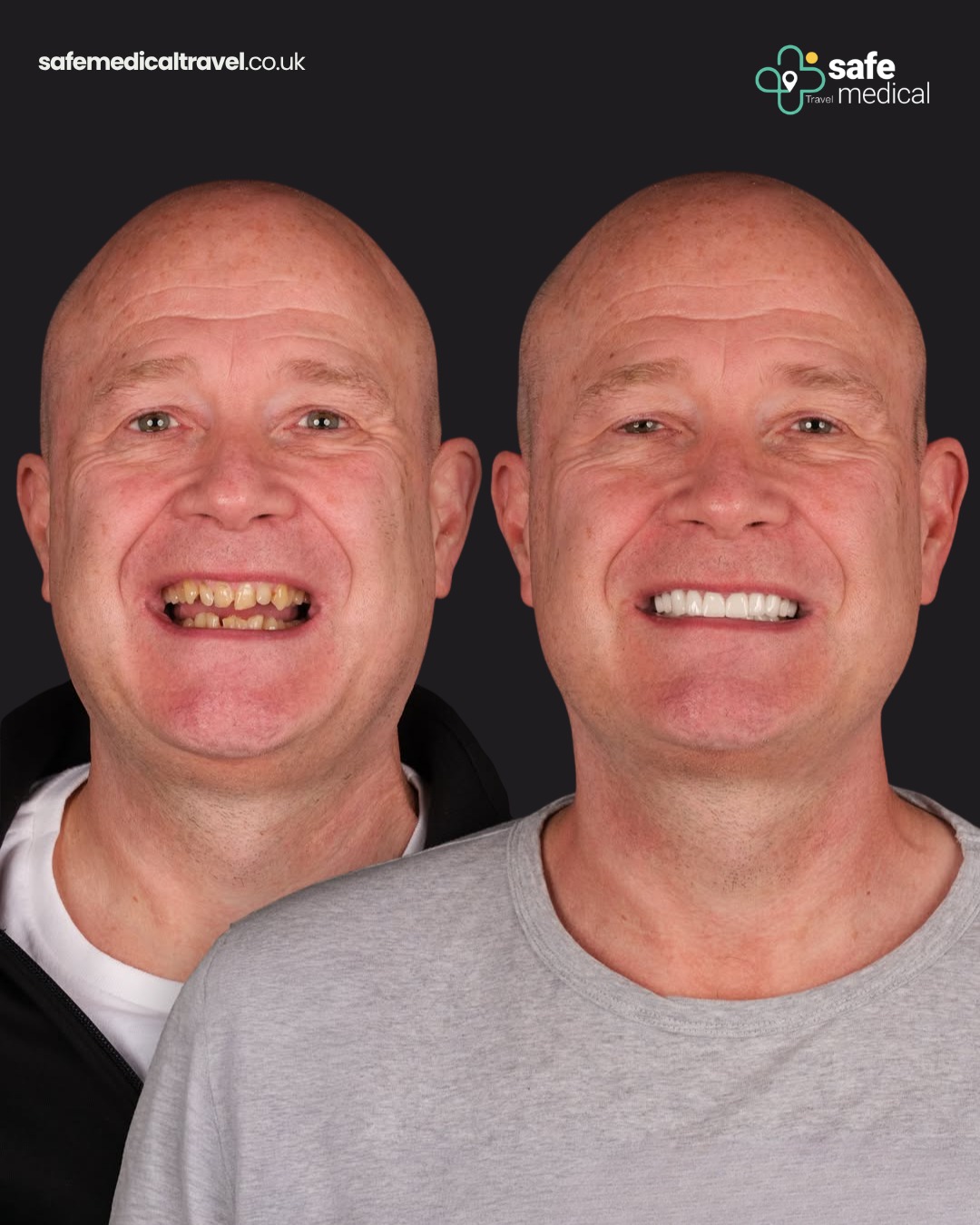
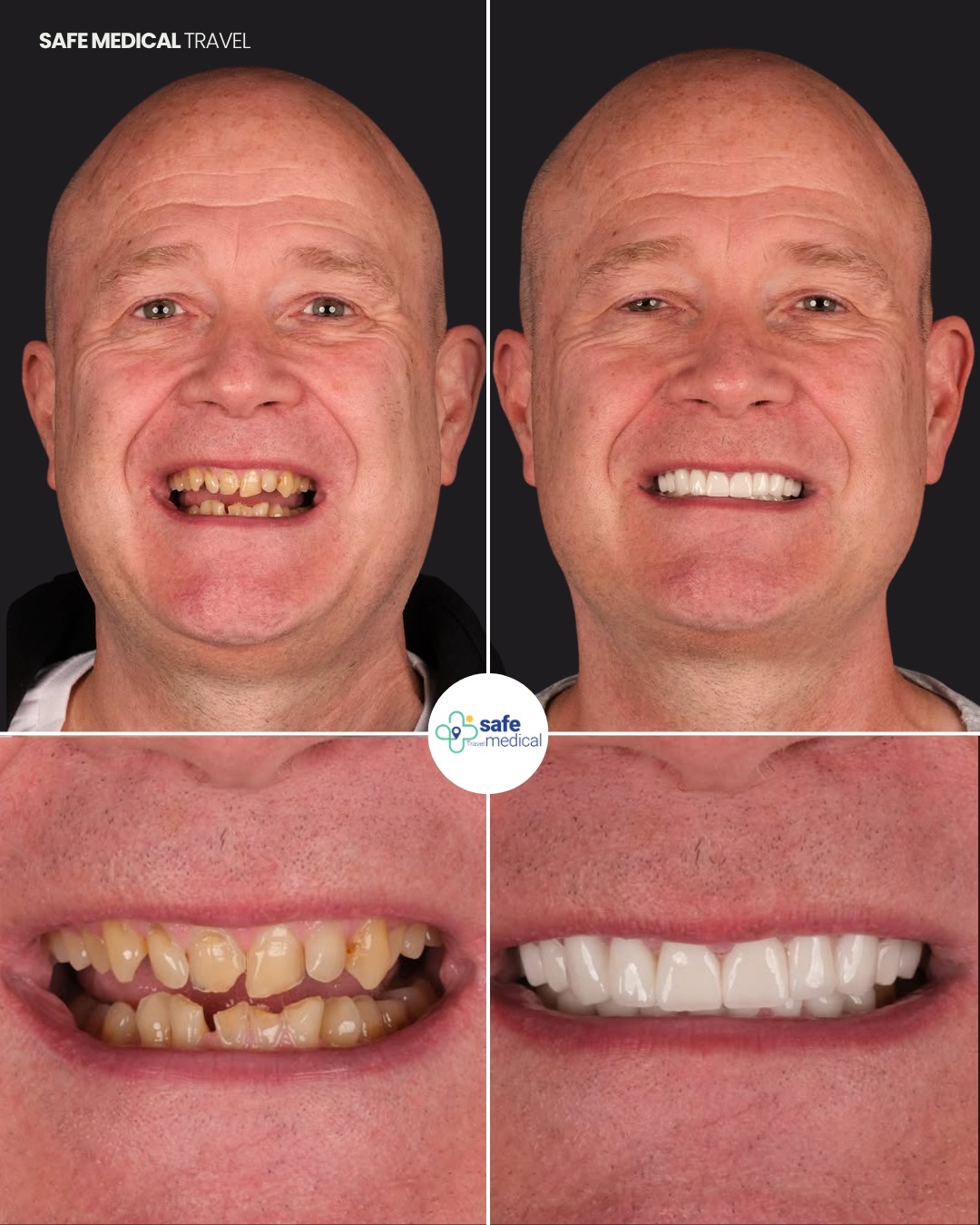
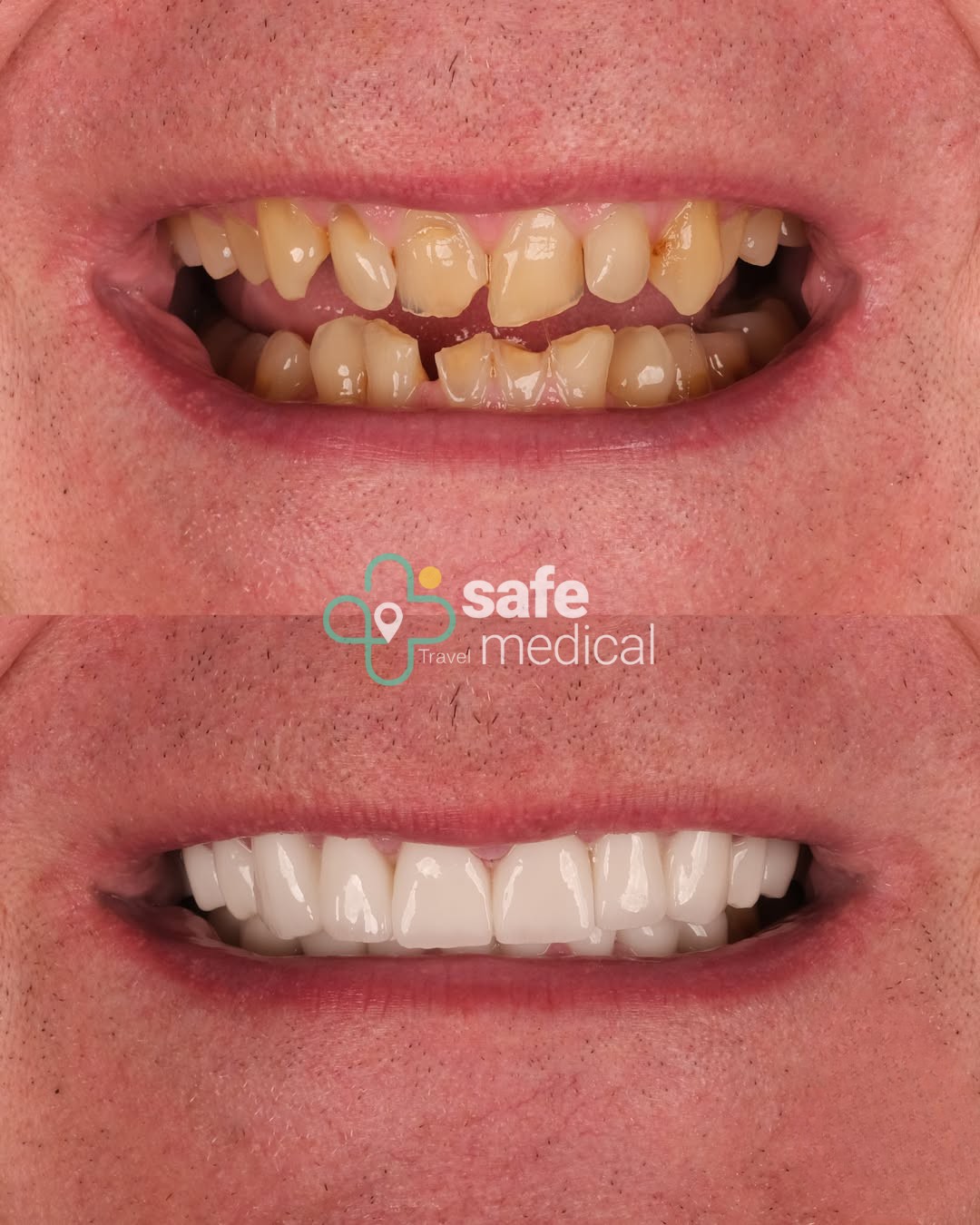
A new smile, made to feel like your own.
Darren chose zirconium crowns as part of his smile journey, achieving a fresh and confident look he can truly enjoy.
Every smile has its own character, and the details matter. From finding the right treatment approach to coordinating the journey, Safe Medical Travel helps patients move forward with clarity, confidence, and the right professional support.
Crowns for Patients Who Grind Their Teeth
If you grind or clench, zirconia is generally the better material, especially monolithic zirconia without a porcelain layer. Pair it with a night guard to protect both the crown and your natural teeth. E-max can still work for mild grinders, but heavy bruxism is a risk factor for fractures.
E-max vs Zirconia Crowns for a Full Smile Makeover
A smile makeover may use one material or a combination according to the needs of each tooth. Using E-max on some visible teeth and zirconia on others is one possible approach rather than a standard plan for everyone.
The key is that your dentist digitally plans the whole smile first, so that shades, shapes and proportions match across both materials. All-zirconia is often chosen for patients with strong bites because it is simple and durable, while patients who want the most natural result may choose E-max across the visible smile zone. A good clinic will explain its reasoning rather than pushing one material for every tooth.
E-max vs Zirconia Crown Prices in Turkey
Prices vary from city to city and from clinic to clinic, so treat the figures below as rough estimates rather than clinic quotes. As a guide, zirconia crowns in Turkey usually cost around £120 to £250 per tooth, while E-max crowns usually fall between £150 and £300 per tooth. Many clinics offer better rates when several crowns are done together.
What Affects the Cost of Dental Crowns?
Several factors drive the price:
- The material, and whether it is monolithic or layered
- The ceramic and lab brand used
- The experience of the dentist and technician
- Whether further treatment is needed, such as root canal work, gum treatment or a build-up
- The number of crowns in the treatment plan
- Whether travel, accommodation and transfers are included in the package
Be wary of prices that look too good to be true. A very low quote can sometimes mean cheaper materials or rushed lab work.
Turkey vs UK Crown Prices
| Crown Type | Turkey (per tooth) | UK (per tooth) |
|---|---|---|
| Zirconia | £120–£250 | £500–£1,000+ |
| E-max | £150–£300 | £500–£1,000+ |
In the UK, a private ceramic crown usually costs around £500 to £1,000 or more per tooth, depending on the practice and location. Patients who need several crowns can often save a lot in Turkey, even once flights and a hotel are taken into account. The more teeth that need treatment, the wider the gap becomes.
Savings are only worth it if the quality is there, so check the clinic's reviews, its before-and-after cases and the warranty it offers.
Which Crown Should You Choose?
There is no one-size-fits-all winner. The best crown is the one that suits the tooth in question.
Choose E-max Crowns If
- You are restoring front teeth and want the most natural-looking result.
- You want a more conservative bonded restoration.
- You don't clench your teeth hard.
- You value aesthetics over maximum strength.
Choose Zirconia Crowns If
- Your dentist recommends zirconia for the load and space available.
- You grind or clench your teeth.
- A thinner zirconia restoration is appropriate under the product instructions.
- You need a bridge or an implant-supported crown.
- You want the strongest option at a more budget-friendly price.
If you are still unsure, ask your dentist to show you shade samples and examples of similar cases. A good dentist will explain why they recommend one material over another for your teeth.
How to Care for Your Crowns After Treatment
Crowns themselves do not decay, but the natural tooth underneath still can, so daily care is important.
- Brush twice a day with a soft brush and fluoride toothpaste.
- Clean between your teeth daily with floss or interdental brushes, paying attention to the gum line around the crown.
- Don't bite hard objects such as ice, pen tops or fingernails.
- Wear a night guard if you grind your teeth.
- Keep up with regular check-ups and professional cleanings, usually every 6 months.
- Tell your dentist if your bite feels uneven or a crown feels loose.
Most patients find that after a few weeks of adjustment, the crown feels like any other tooth.
Frequently Asked Questions
E-max has more translucency, which makes it look more natural, especially on front teeth. Modern high-translucency zirconia comes close, though, and often looks great on back teeth.
Many zirconia grades have higher flexural strength than lithium disilicate, but this varies by product and translucency. Crown thickness, design and your bite also affect the choice, especially if you grind your teeth.
Both generally last 10 to 15 years or more with good oral hygiene and regular check-ups. Results vary from person to person and depend on your bite, gum health and care.
Yes, different materials can be combined when clinically appropriate. Your dentist should assess each tooth and plan the shades, translucency and bite so the restorations work together.
Yes, especially monolithic zirconia. You will still need a night guard to protect your crowns and your natural teeth.
If the surface is well glazed and polished, neither material absorbs stains as easily as natural enamel. Without good cleaning, however, plaque and discolouration can still build up at the edges around the gum line.
Often a little, yes. The difference is usually small, and it can disappear altogether when layered or highly aesthetic zirconia is used.
Most clinics complete crowns in approximately 4 to 7 days, including preparation, fitting and final adjustment. Clinics with in-house digital labs can sometimes be faster. More complex cases may require a longer stay or a second visit.
Yes. Zirconia is very common for implant crowns, particularly at the back of the mouth, while E-max is often chosen for front tooth implant crowns where aesthetics matter most. Your dentist will decide based on where the implant is placed and how you bite.
No. Whitening gels only work on natural tooth enamel, not on ceramic. If you are considering whitening, do it before your crowns are made so the dentist can match the crowns to your new tooth colour.