
One of the most significant developments in the field of rhinoplasty in recent years, Ultrasonic (Piezo) Rhinoplasty has made the surgical process and recovery period much more comfortable for both the surgeon and the patient. Here is everything you need to know about this innovative technology:
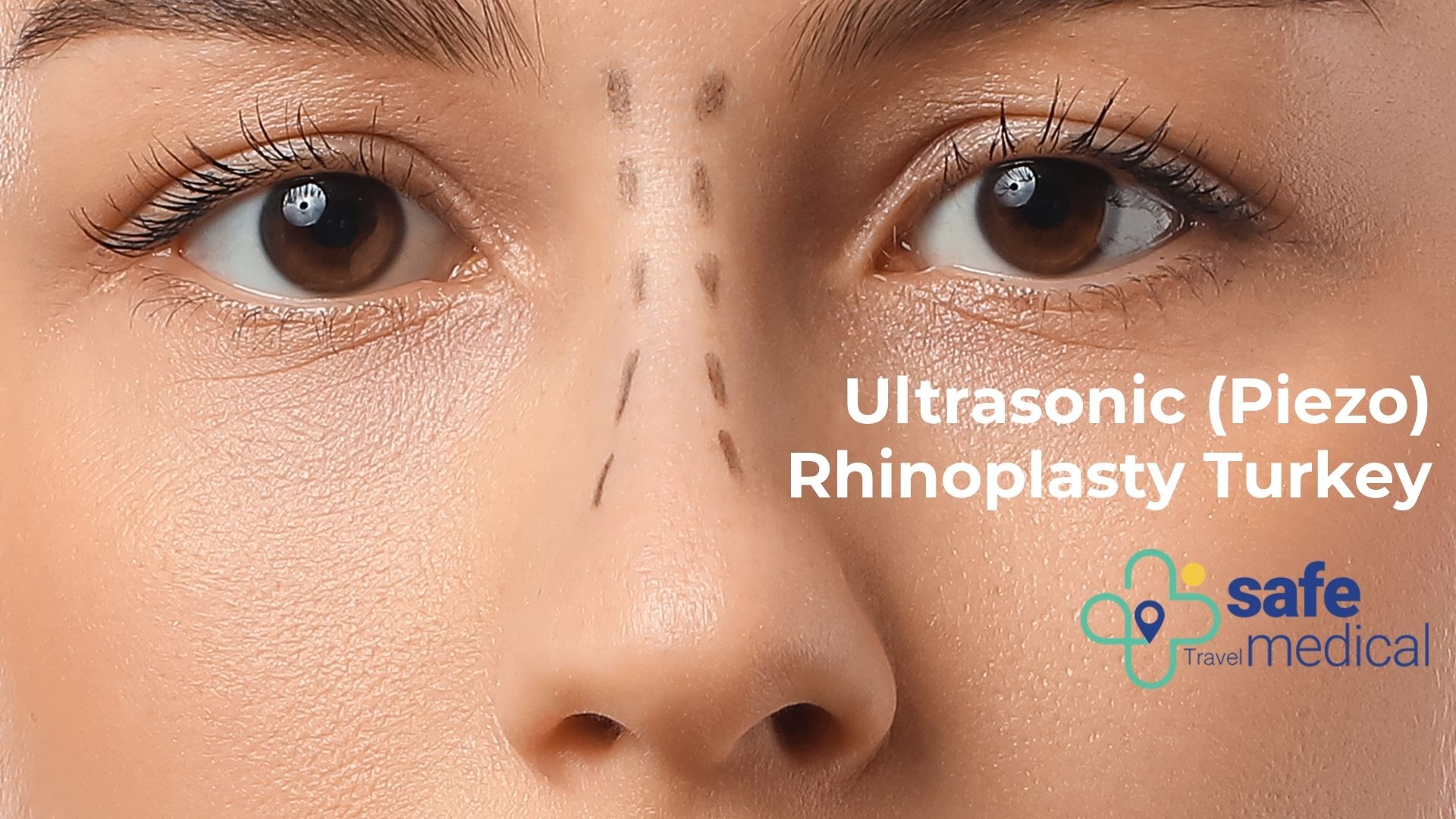
What is Ultrasonic / Piezo Rhinoplasty?
Ultrasonic or piezo rhinoplasty is a technique that uses high-frequency sound waves (ultrasonic vibrations) instead of traditional breaking methods to shape the nasal bones. This method allows the surgeon to work and shape the nasal structure with much greater precision. The main feature of this technology is that it focuses only on bone tissue and does not damage the surrounding soft tissues.
Pros and cons of the Ultrasonic Technique
Ultrasonic (piezo) surgical technique has brought a major innovation to rhinoplasty (nose aesthetics) compared to traditional methods.
Advantages of Ultrasonic (Piezo) Technique (Pros)
Tissue Selectivity and Superior Safety:
The piezo device only affects mineralised tissues such as bone; it does not damage surrounding tissues such as blood vessels, nerves, mucosa, and soft cartilage. This selectivity almost completely eliminates the risk of injury to major blood vessels and nerves.
Maximum precision and 'Rhinosculpture':
Unlike traditional chisels and hammers, Piezo cuts or files bones with micrometric precision using micrometric vibrations. This allows the surgeon to ‘sculpt’ (rhinosculpting), smooth, and shape bones without fracturing them.
Prevention of unwanted bone fractures:
While it is difficult to control how far the bone will crack with the traditional method, with the Piezo technique, the surgeon is in control. This minimises the risk of unwanted fractures, even in thin, fragile, or unstable bones.
Working under direct vision:
This technique is generally performed at a wide angle (open technique) where the bones are fully visible. Unlike traditional procedures where ‘blind’ steps are taken, the surgeon performs each step under direct vision, which facilitates achieving symmetry.
Less trauma and comfortable recovery:
As soft tissues are preserved, postoperative bruising and swelling are significantly reduced. Patients can return to their social lives in approximately 6 days with this technique, compared to 2 weeks with the traditional method.
Superior bone healing:
Clinical studies have shown that bones cut with piezo heal faster and undergo healthier bone regeneration.
Clear view during surgery (cavitation effect):
The cavitation effect created by the liquid vibration at the tip of the device controls bleeding (haemostatic effect), providing the surgeon with a clean and bloodless working area.
Disadvantages and limitations of ultrasonic (piezo) technology (Cons)
No matter how advanced the technology is, there are certain challenges and points to consider.
Equipment cost and accessibility:
Piezo systems are quite expensive devices compared to traditional manual surgical instruments (scalpels, files, etc.). This can be reflected in the cost of surgery.
The delicate and fragile nature of the device:
The surgical tips used are very small and carry a risk of breaking or malfunctioning if used incorrectly. This creates the possibility of technical difficulties during the operation.
Risk of overheating and burns:
As the device operates at high frequency, it may cause bone overheating. If the liquid irrigation (washing) used for cooling purposes is insufficient, it may lead to bone necrosis or skin burns.
Requirement for a wide surgical view:
In order for the piezo tips to make full contact with the bone and for the surgeon to see the area, it is often necessary to lift the skin from a larger area (wide subperiosteal dissection). In some cases, this may increase the risk of temporary oedema.
Application time:
For surgeons in the early stages, the operation time may be longer than with traditional methods. However, this time decreases with experience.
Ineffectiveness on soft tissue:
This is not a disadvantage but a technical limitation; the Piezo device is not designed to cut soft tissue and cartilage. Therefore, traditional surgical techniques such as sutures or grafts are still required for cartilage shaping.
Ultrasonic/Piezo Rhinoplasty vs Traditional Rhinoplasty
|
Feature |
Ultrasonic (Piezo) Rhinoplasty |
Traditional Rhinoplasty |
|
Main Tools |
It cuts or shapes bone with a piezotome instrument that makes high-frequency ultrasonic vibrations (28–36 kHz). |
Uses hand tools like chisels, hammers, and rasps for surgery. |
|
Selectivity of tissue |
Very selective; it exclusively affects mineralised bone and hard cartilage, leaving soft tissues like nerves, blood vessels, and mucosa alone. |
Not selective; manual tools can hurt the soft tissues, blood vessels, and nasal mucosa around them a lot. |
|
Control of Surgery |
Done with direct eyesight, which makes it possible to do "rhinosculpting" of the bony vault with unmatched accuracy. |
Often requires a "blind" or partially blind approach, especially when doing classic osteotomies. |
|
Fracture Risk |
Significantly lowers the chance of having fractures that you don't want or can't manage, even on bones that are weak or thin. |
Has a higher chance of uncontrolled or radiating fracture lines because of the mechanical force needed. |
|
Accuracy |
It lets the surgeon shape, polish, and smooth the nasal bones with millimetric accuracy. |
Only able to shatter or remove bone, which might cause uneven or irregular contours. |
|
Pain and Recovery |
This procedure is linked to a big drop in pain after surgery, which makes it easier to get back to normal social life (around six days). |
Due to tissue damage, it often hurts more and takes longer to heal (up to two weeks). |
|
Swelling and bruising |
After surgery, there should be little to no bruising (ecchymosis) and much less swelling (edema). |
It usually causes a lot of bruising and swelling around the nose and eyes. |
|
Bone Healing |
This helps bones heal faster and gives more consistent long-term outcomes with less damage to bone cells. |
Compared to ultrasonic approaches, manual instrumentation can be worse for bone repair. |
|
Time for surgery |
It may be slower at first because of the learning curve and the need for a lot of practice, but it gets faster with time. |
Surgeons who are used to doing things by hand can usually do it faster, but they have less control throughout the operation. |
Who is the best candidate for Ultrasonic Rhinoplasty?
The best candidates for ultrasonic (piezo) rhinoplasty are people who want to change the way their nose looks, especially the bone tissue, and who want to heal quickly following the procedure. The best people to use this method should have these traits:
Cases that need to fix the bone structure
Dorsal hump:
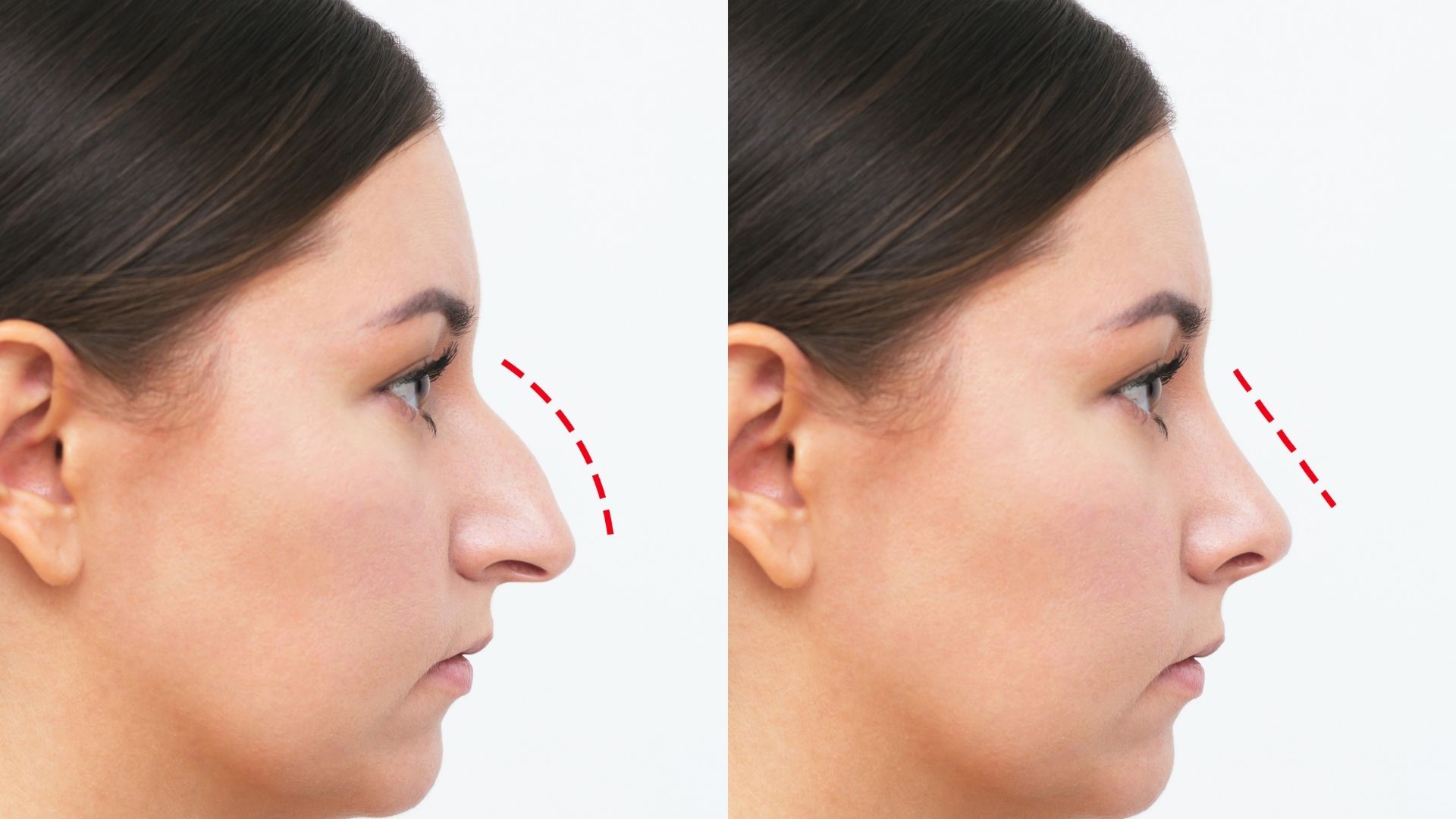
This method works well for people who have a bony ridge on the bridge of their nose. The piezo gadget smoothes out the ridge by shaving it with millimetre accuracy.
Wide nasal pyramid:
This method is best for people who have particularly wide nasal bones or who need to shorten the base of their nose (osteotomy).
Curvature and asymmetry:
If someone's nasal bones are bent, uneven, or have other problems, it is possible to form the bone without breaking it.
Hard or thick bone structure:
This gives you better control when the nasal bones are exceedingly hard or hard to shape with regular methods.
Unique circumstances of bones and tissues
Thin and fragile bones:
People with very thin, fragile, or unstable bones are good candidates for this approach since they are at a significant risk of breaking bones when using standard tools like a hammer and chisel.
Sensitive soft tissues:
If the nasal bones are very close to the skin, mucosa, or vascular-nerve structures, the Piezo device can only cut bone, which protects these delicate structures.
Medical history and functional needs
Revision (secondary) surgeries:
It gives consistent results in revision instances where the patient has had nasal surgery before and has problems with the bone structure.
Functional problems:
Patients who have trouble breathing because their nasal septum is crooked (deviated) are good candidates for both cosmetic and functional (septoplasty) correction. Piezo can safely remove bony protrusions (spurs) from the nasal septum.
Those who think they will get better quickly:
- This is the best way for people who want to have the least amount of bruising and swelling after surgery.
- This technology is better for patients who want to get back to work or their social life fast (in about 6 days instead of 2 weeks with the traditional procedure).
Who is not a good fit for this method?
If the main problem that needs to be fixed is the cartilage at the tip of the nose (tipplasty) or if just soft tissue alteration is needed, Piezo technology may not be needed because it doesn't work on these tissues. In these situations, standard suturing and grafting methods work well.
What is closed ultrasonic rhinoplasty?
Closed ultrasonic rhinoplasty is a method in which all cuts are made inside the nostrils; therefore, there is no visible scar on the exterior. This method is more difficult to utilise because Piezo devices can't get to the bones directly and have a limited field of view. The best thing about this approach is that it doesn't leave any scars on the outside.
What is open ultrasonic rhinoplasty?
Open ultrasonic rhinoplasty is a method that involves cutting a small cut in the "columella", which is the space between the nostrils, and lifting the skin on the nose to see all of the structures in the nose. The surgeon needs to be able to see the operative region directly for the Piezo device to shape the bones with millimetric precision. This is the most common and best way to use piezo technology. This method allows the surgeon to shave the bridge of the nose, shape the bones, and get the most symmetry possible.
Piezo rhinoplasty procedures:
Piezo (ultrasonic) rhinoplasty is a procedure in nasal surgery that enables bones to be sculpted with millimeter precision instead of being broken and is referred to as ‘rhinosculpting’ (nose sculpting). The procedure is as follows:
Preoperative preparation and approach
Anaesthesia and incision:
The procedure is usually performed under general anaesthesia, and an open rhinoplasty approach is generally preferred so that the surgeon can see the bone structures directly.
Wide field of view (Exposure):
The skin and soft tissues of the nose are meticulously lifted in the subperiosteal (under the bone membrane) plane up to the nasion and nasomaxillary sulcus to allow the tips of the piezo device to fully access the bone.
Bone shaping: Rhinosculpture (Ultrasonic Osteoplasty)
At this stage, the bones are processed without fracturing, using special tips:
Hump correction:
The bony ridge on the nasal dorsum is shaved and smoothed down to the millimeter using RHS1 (scraper) or RHS2Hb/Fb (file) tips.
Achieving symmetry:
Asymmetries and protrusions in the nasal pyramid are corrected by sculpting them directly under visual control without damaging the soft tissue.
Precision osteotomies (bone cuts):
Controlled cuts are made using ultrasonic saws instead of traditional chisels:
Lateral and Transverse Osteotomies:
To narrow the nasal base, cuts are made using RHS3L/R (round saws) or RHS4L/R (angled saws) without creating unwanted cracks in the bone.
Medial Oblique Osteotomies:
RHS5 (fine saw) tips are preferred for cuts in the upper part of the nose.
Tissue Selectivity:
As the device operates at a frequency of 28-36 kHz, it only cuts mineralised bone tissue; it does not damage soft tissues such as blood vessels, nerves, and mucosa when it comes into contact with them.
Functional and septal interventions
Septoplasty:
A deviated nasal septum can be corrected by stabilizing it with RHL5 (long saw) tips, or cartilage grafts can be harvested precisely using this device.
Stabilization and drilling:
Micro-holes are drilled into the bone using the RHS6 (diamond-coated drill) tip to suture the cartilage to the bone and stabilise the structure.
Recovery and results
Less trauma:
As soft tissues and the periosteum are preserved, postoperative bruising (ecchymosis) and swelling (edema) are significantly reduced compared to the traditional method.
Rapid recovery:
Patients can generally return to their social lives approximately 6 days after surgery, whereas with traditional methods, this period can take up to 2 weeks.
Permanent and natural results:
Direct visualisation of the bones during shaping provides more stable and aesthetically symmetrical results in the long term.
What are the risks of an ultrasonic rhinoplasty procedure?
Although piezo surgery is quite safe, like any surgical procedure, it carries risks.
- If the cooling protocol (washing) is not applied correctly, skin burns may occur due to tissue heating.
- There is a risk of malfunction of the sensitive devices used during surgery.
How does ultrasonic rhinoplasty work?
The operating mechanism of this system and its function during the surgical process are as follows:
Conversion of piezoelectric energy
The device uses an electric current to deform piezoceramic rings. This movement is converted into regular, longitudinal vibrations transmitted to the tip held by the surgeon. The generator produces a modulated frequency, typically ranging from 28 to 36 kHz. This frequency range is close to the resonance frequency of bone, enabling extremely precise and controlled cutting.
Selective cutting
The most distinctive feature of ultrasonic technology is tissue selectivity; the device only affects mineralised tissues such as bone and hard cartilage. When vibrations come into contact with soft tissues (nerves, blood vessels, mucosa, and skin), these tissues absorb the vibrations without damage due to their flexible structure. This minimizes bleeding, bruising, and swelling by protecting major blood vessels and mucosa during the operation.
Rhinosculpting
In the traditional method, bones are broken, whereas Piezo technology allows the surgeon to carve, polish, and smooth bones.
- Special Tips: The surgeon uses tips designed for different procedures. For example, rasp tips such as RHS2 are used to carve the nasal bridge and remove rough edges; fine saw tips such as RHS3 or RHS5 are used to make millimetric cuts (osteotomies) in bones.
- Precision: Thanks to this technology, shaping can be performed without unwanted cracks, even in very thin or fragile bones.
Cavitation and cooling system
During the procedure, the tip of the device vibrates thousands of times per second, generating heat; to control this heat and prevent bone necrosis (tissue death), continuous sterile fluid irrigation (washing) is performed. The cavitation effect (the bursting of microbubbles in the liquid) created during this washing releases oxygen, creating a haemostatic (blood-stopping) effect and providing the surgeon with a bloodless, clean working area.
Piezo-rhinoplasty recovery process
One of the greatest advantages of the piezo method is that the recovery process is more predictable and comfortable. The recovery process is as follows:
First 24-48 Hours (Day of surgery and the following day)
- Hospital Stay: The surgery is performed under general anesthesia and usually takes 1-3 hours. Most patients are discharged on the same day.
- Splint and tampon: An external splint is placed to protect your nose and support its new shape. In some cases, a tampon may be placed inside the nose, but these are usually removed shortly afterwards.
- Swelling and bruising: The most significant difference with the piezo method becomes apparent during this period. Compared to the traditional method, there is considerably less swelling and bruising. However, slight swelling and very slight bruising around the eyes may still occur.
What to do:
- Keeping your head elevated (using pillows for support) helps reduce swelling.
- Applying cold compresses may be soothing.
- Take the painkillers and other medications prescribed by your doctor regularly.
The first week (Days 3-7)
- Bruising and swelling: This week, the bruising and swelling will start to go down quickly.
- Taking off the splint: About a week following the surgery, the doctor will take off the splint on the nose and any stitches that are still within. During this time, you will observe the new shape of your nose for the first time. However, this is not its final shape because it is still swollen.
- Go back to work: People who do light work, including office work, can go back to their normal lives and jobs after the splint is taken off.
Week two (Days 8-14)
- Recovery: The swelling goes down a lot, and the patient feels a lot better. The crusting in the nose goes down, and breathing gets easier.
- Things to do every day: You can start doing little exercises like walking. But you should stay away from things like heavy lifting and bending.
Weeks 3 to 6
- Looks: The nose looks a lot better now that most of the swelling has gone down and it is getting closer to its natural form.
- More activity: With the doctor's permission, you can start doing more rigorous sports like jogging and fitness. You have to wait longer for contact sports.
- Massage: If your doctor says it's okay, you can start giving yourself nasal massages.
For a long time (3 months to 1 year)
- Thinning: The small swelling at the tip and bridge of the nose keeps going away. The nose gets thinner and more shaped during this procedure.
- The final look: After one year, you may see the entire effect of piezo rhinoplasty. Your nose will always look like this.
Aftercare of ultrasonic rhinoplasty
The piezo approach already works quickly, but if you pay attention to the following things, it will go even more smoothly:
- Keep your head up: Keeping your head above your heart, especially when you're lying down in the first week, really helps with swelling.
- Don't drink or smoke: Smoking makes recovery take a lot longer and raises the risk of problems because it keeps the oxygen that healing needs from reaching the tissues. Drinking too much alcohol might also make swelling and bleeding more likely. You should stay away from these for at least a few weeks before and after surgery.
- Don't wear glasses: Glasses that sit on your nose can change the shape of your nose by placing pressure on the mending bone and cartilage structures. You should not wear glasses for the amount of time your doctor says you should (typically a few weeks) or attach them to your forehead with a specific band.
- Shield from the sun: Your nose's skin is more sensitive to the sun after surgery. When you go outside, stay out of direct sunlight and use sunscreen with a high SPF. This stops color changes that last forever.
- Don't forget to go to your doctor's appointments: Make sure to go to all of your doctor's follow-up appointments so they can check on your recovery and stop any problems that could come up.
Ultrasonic/Piezo rhinoplasty cost
UK: £6,000 — £10,000
USA: $10,000 — $18,000
Germany: €6,000 — €10,000
Turkey: €2,500 — €5,500
One of the main reasons for opting for the piezo (ultrasonic) method is its cost. Other factors affecting pricing include:
|
Factor |
Explanation |
|
Surgeon's Knowledge and Skills |
Surgeons who are experts in their area, especially those who have a lot of experience with the Piezo technique and a good reputation around the world, charge more. |
|
How hard the surgery is |
There will be a variation in pricing between a simple tip refinement and a sophisticated revision (secondary surgery) or a functional aesthetic technique that fixes breathing difficulties. The longer the surgery lasts, the more it costs. |
|
The Technology Used |
The Piezo approach is more expensive than other methods since it needs unique tips that can only be used once. |
|
Type of Anesthesia |
General anesthesia costs more than local anesthesia. Most surgeons in Zurich favor general anesthesia for the safety and comfort of their patients. |
|
Where the facility is and what type it is |
Surgery in a private clinic in Zurich's city center, like Hirslanden or Pyramide am See, may cost more than surgery in a public hospital or a clinic outside the city center. |
|
More Procedures |
If you have more than one operation done in the same session, like a chin implant or eyelid surgery, the overall cost will go up. |
How to Choose the Right Surgeon?
There are severe rules about healthcare services in Turkey. Make sure your surgeon has the necessary certifications:
- Certificate: This is the most crucial paper that shows the surgeon is a specialist who has been approved.
- Area of expertise: The surgeon must be an expert in either plastic, reconstructive, and aesthetic surgery or ear, nose, and throat (ENT) surgery. Choosing a surgeon that specializes in rhinoplasty is a great idea.
- International training and fellowships: Check to see if the surgeon has trained with experts in the piezo technique or at facilities that focus on this area.
- Publications and Participation: The surgeon's scholarly articles on rhinoplasty or attendance at international conferences show that they stay up to date on the latest news in the field.
- Reputation of the institution: The clinic or hospital where the surgeon works has a good reputation and good facilities, which might give you an idea of how good the service will be.
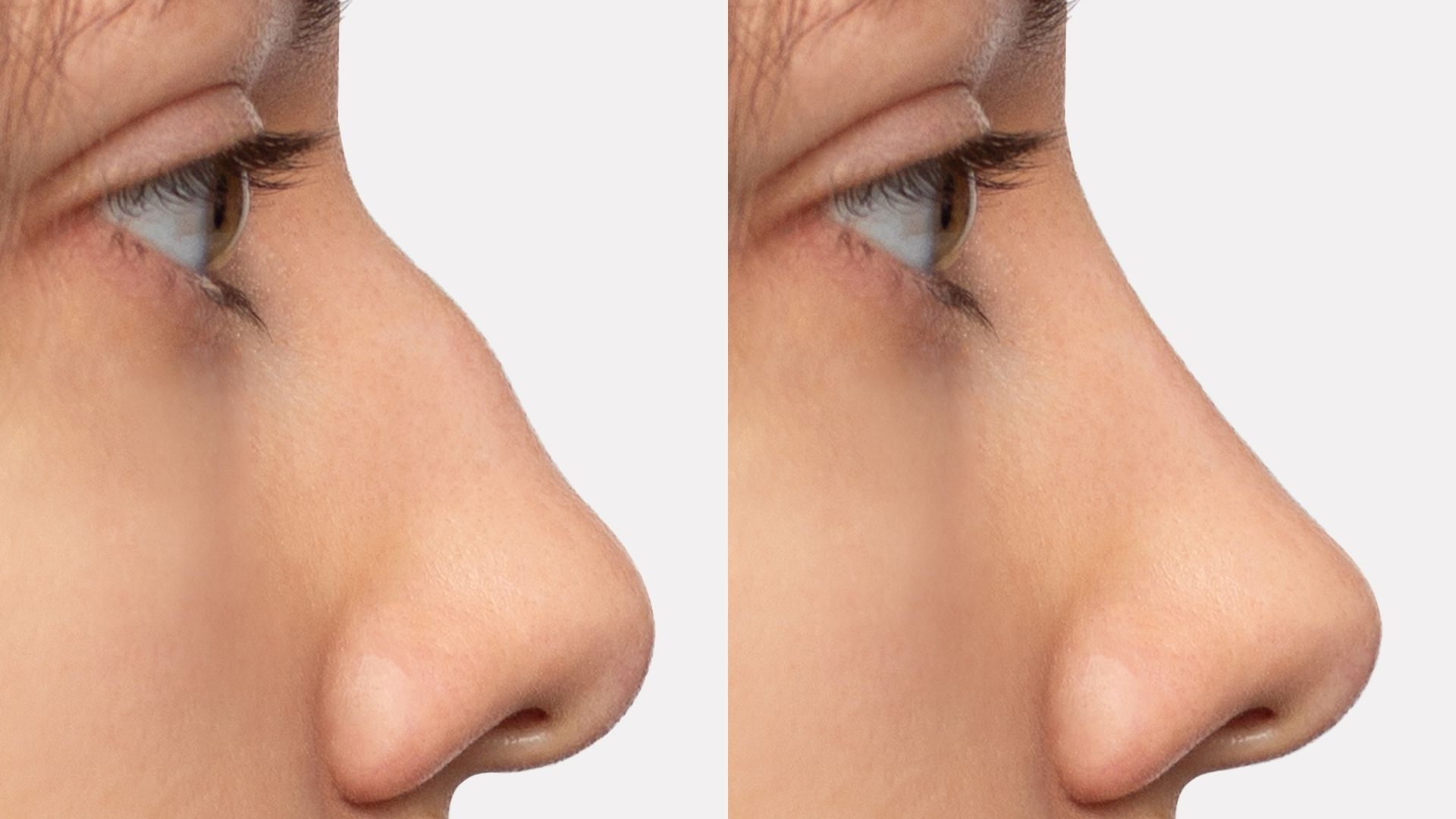
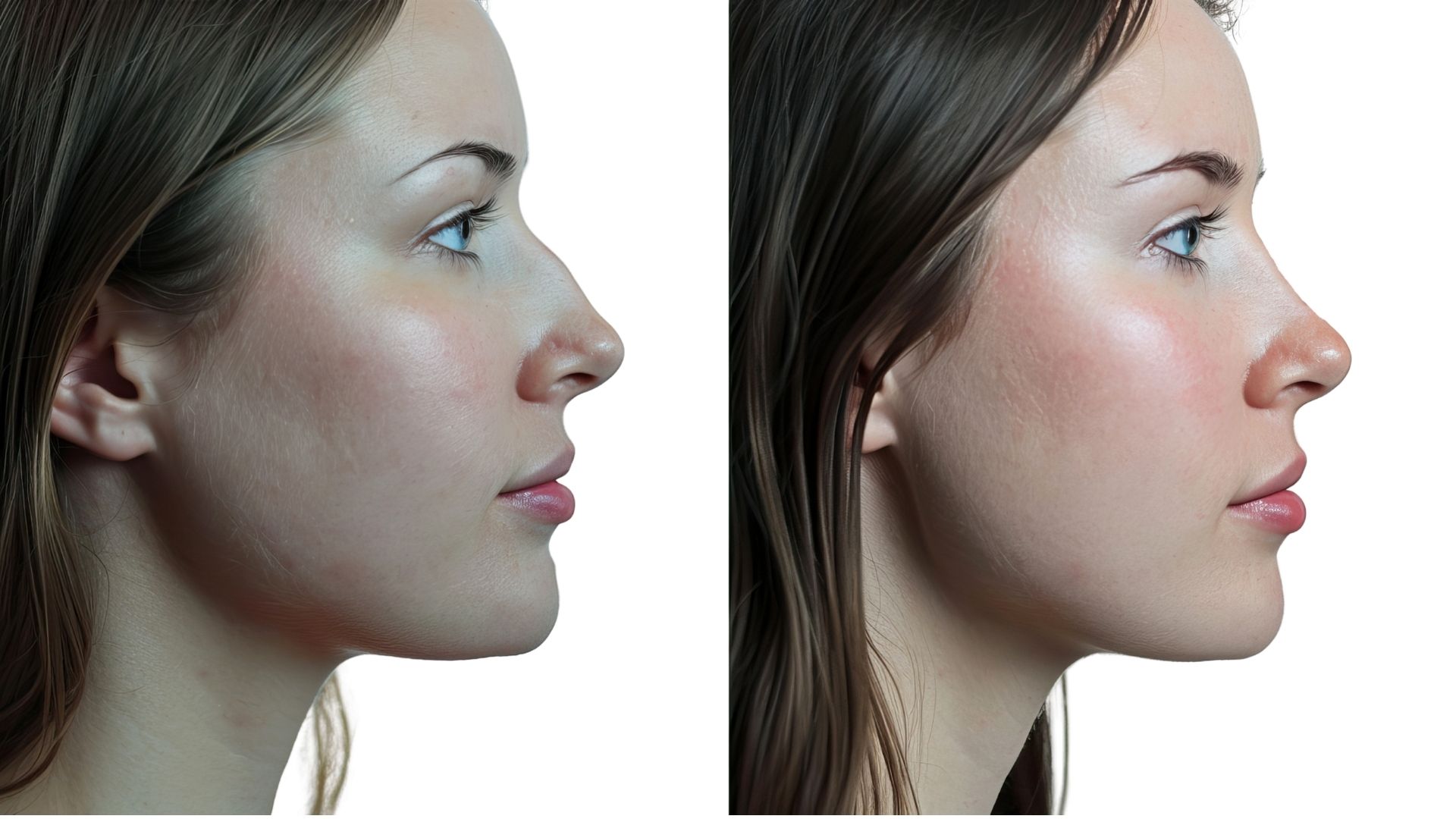
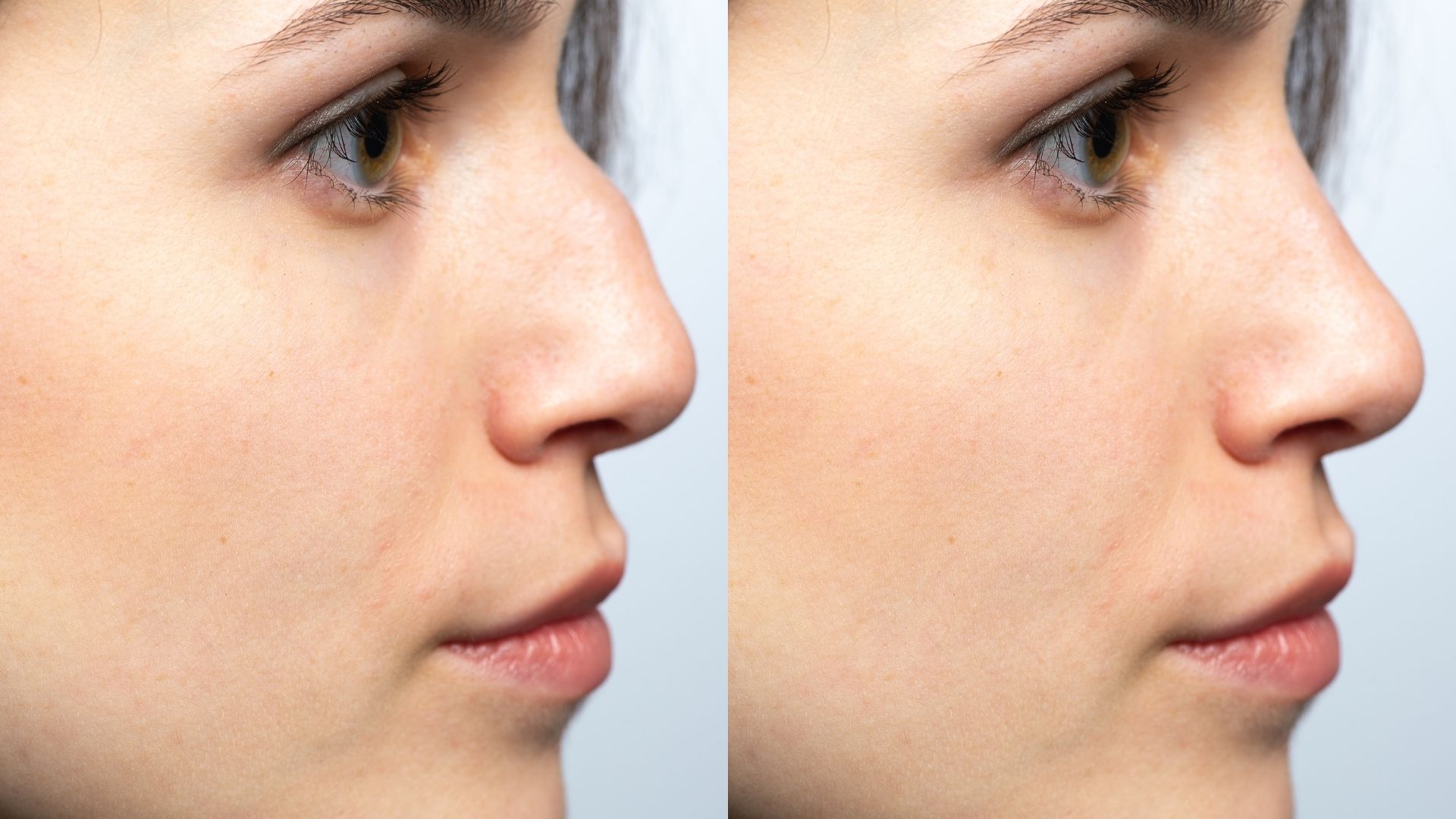
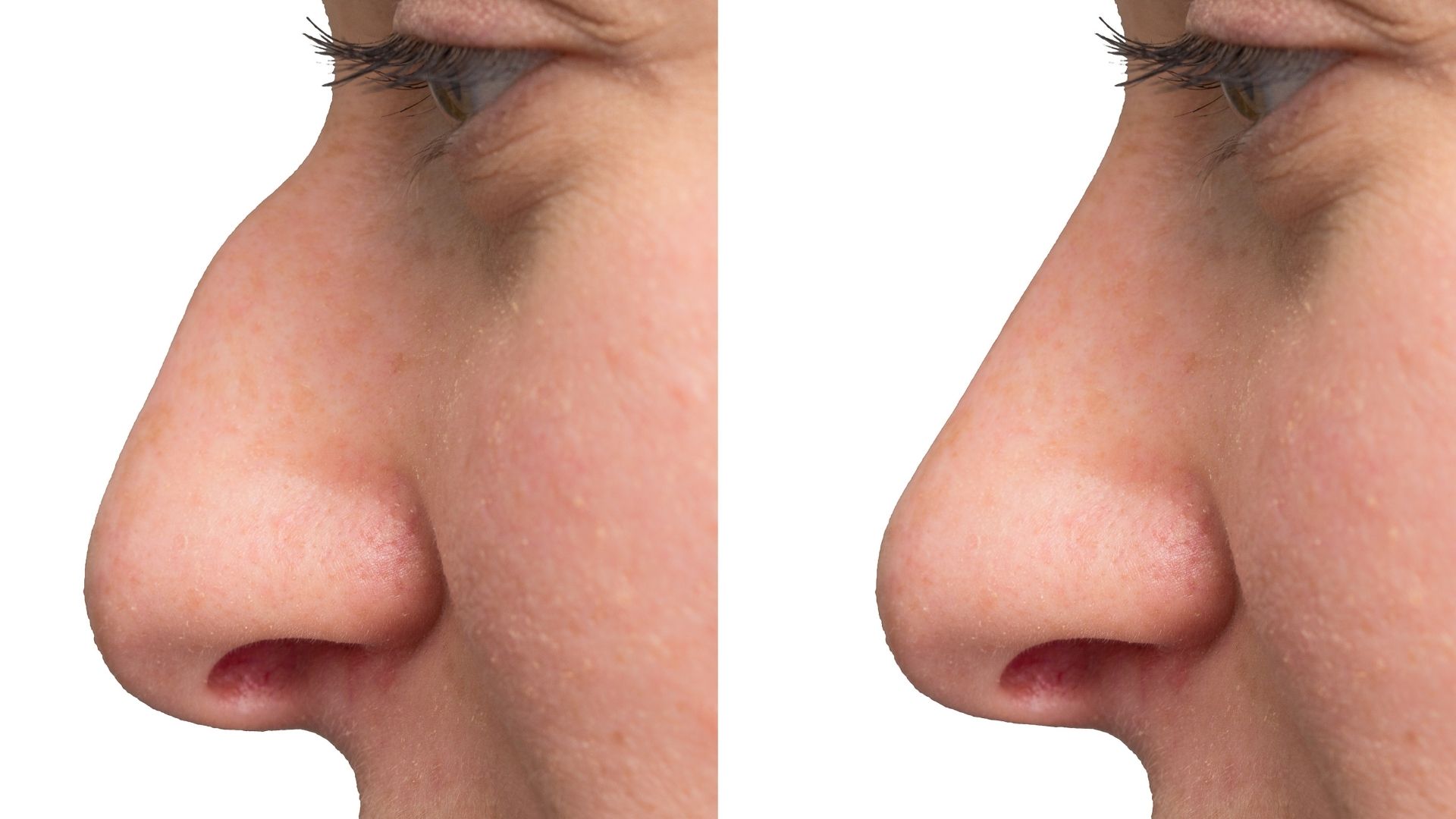
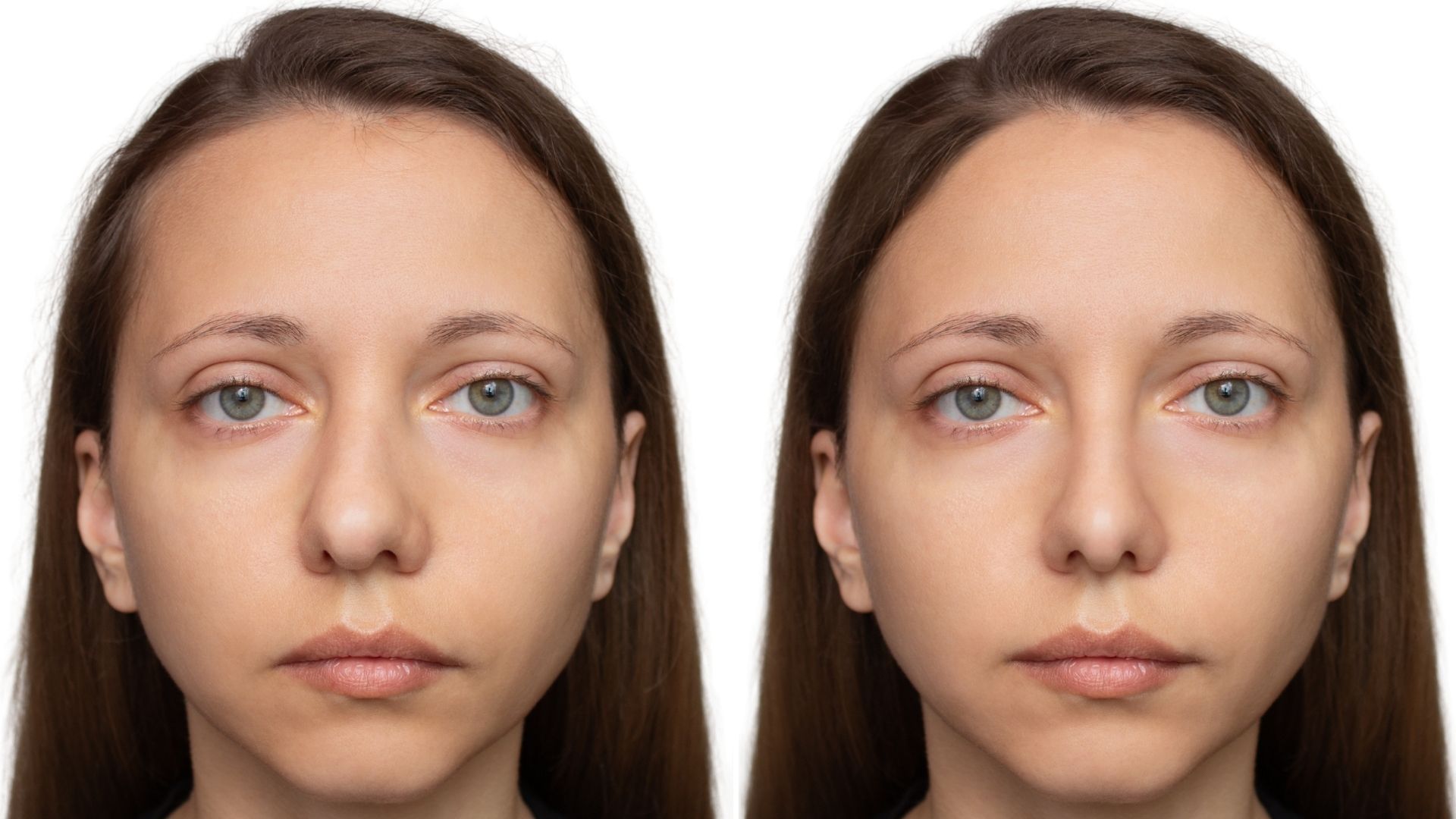
Ultrasonic rhinoplasty before and after in Turkey
Frequently Asked Questions
Is Piezo Ultrasonic Rhinoplasty painful?
No, in surgeries performed using the piezo method, damage to nerves and soft tissues is minimal, so postoperative pain is significantly reduced.
Is ultrasonic rhinoplasty better?
For many specialists, the answer is 'yes'. It has become an important standard in modern rhinoplasty due to its ability to deliver more precise results, preserve tissue, and shorten recovery time.
Is ultrasonic rhinoplasty permanent?
Yes, reshaping and corrections made to bones using the piezo method are permanent. Once the bones have healed, they retain their new shape.
Is ultrasonic rhinoplasty safe?
It is quite safe. Thanks to the device's selective cutting feature, the risk of damage to major blood vessels and nerves is virtually negligible.
What kind of anaesthesia does Piezo Ultrasonic Rhinoplasty require?
It is usually administered under general anesthesia for complete comfort and safety.
How long after Piezo Ultrasonic Rhinoplasty can I wear glasses?
Although rapid tissue healing is a significant advantage, wearing glasses is generally not recommended for the first few weeks to allow the bones to fully stabilise in their new position. (You should follow your doctor's specific advice.)
When can I swim in the pool or sea after piezo-rhinoplasty?
Although the healing process is rapid, it is generally recommended to wait until the stitches inside and outside the nose have completely closed (a few weeks) to prevent the risk of infection.
When can I start sports after piezo-rhinoplasty?
Light walks can be started a few days later, but strenuous exercise that raises blood pressure and activities that carry a risk of nose injury should generally be avoided for at least 4-6 weeks.
When can I travel by plane after piezo rhinoplasty?
Generally, air travel is possible after the splint is removed (approximately 1 week), but your doctor's approval is important regarding pressure changes.
How is showering after piezo technique?
Provided your cast does not get wet, you may take a shower the day after your operation. Washing your face and hair usually requires the cast to be removed or special methods to be used.