
Dental Implants in Turkey: Cost, Safety, Procedure and Benefits
In recent years, Turkey has become one of the world's most popular destinations for dental tourism, especially for dental implants.
Every year, more than hundreds of thousands of international patients travel abroad for dental treatment, and Turkey has become one of the leading destinations. But why are so many people choosing Turkey over the UK, Germany or the United States?
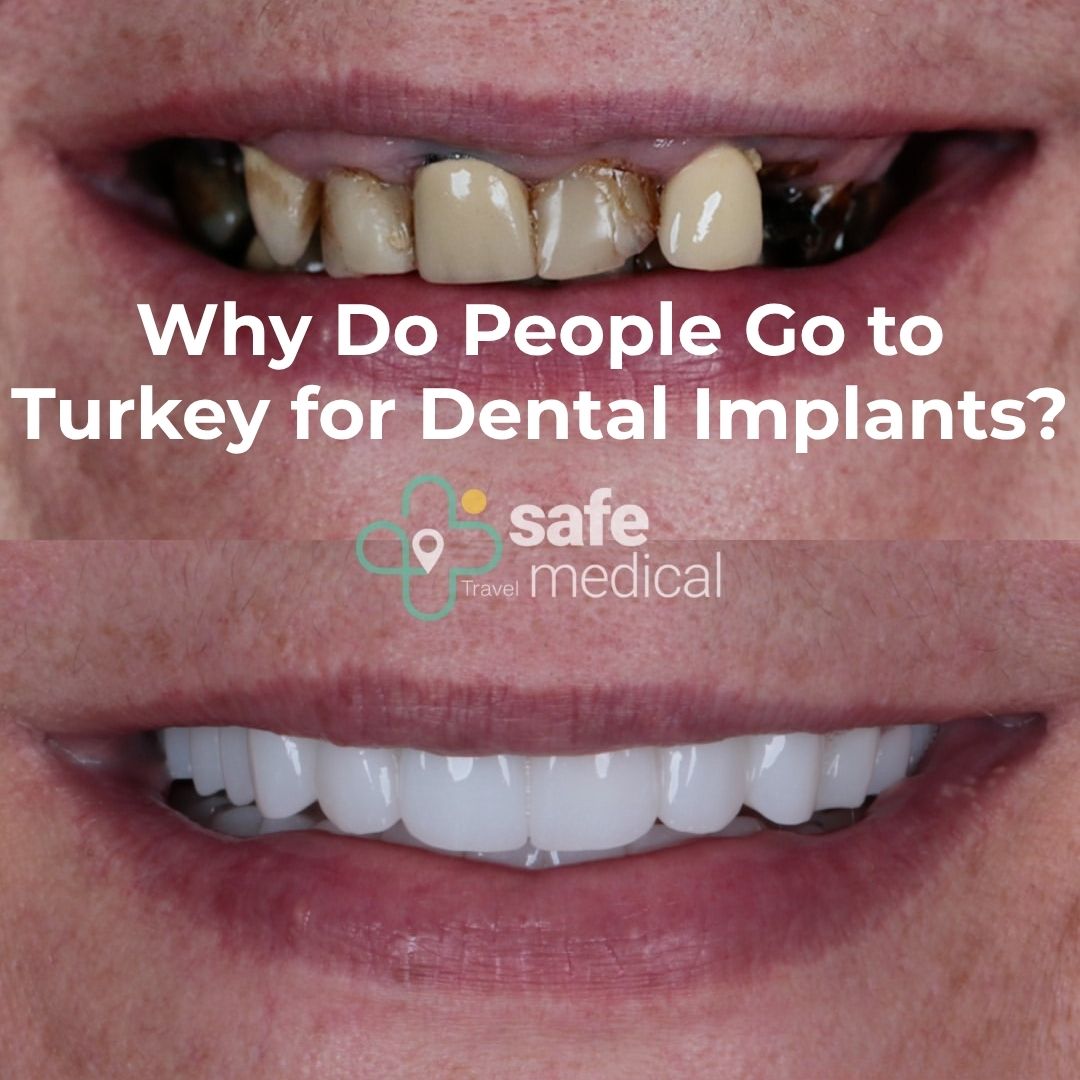
Here are the main reasons why people choose Turkey for dental treatments and dental implants:
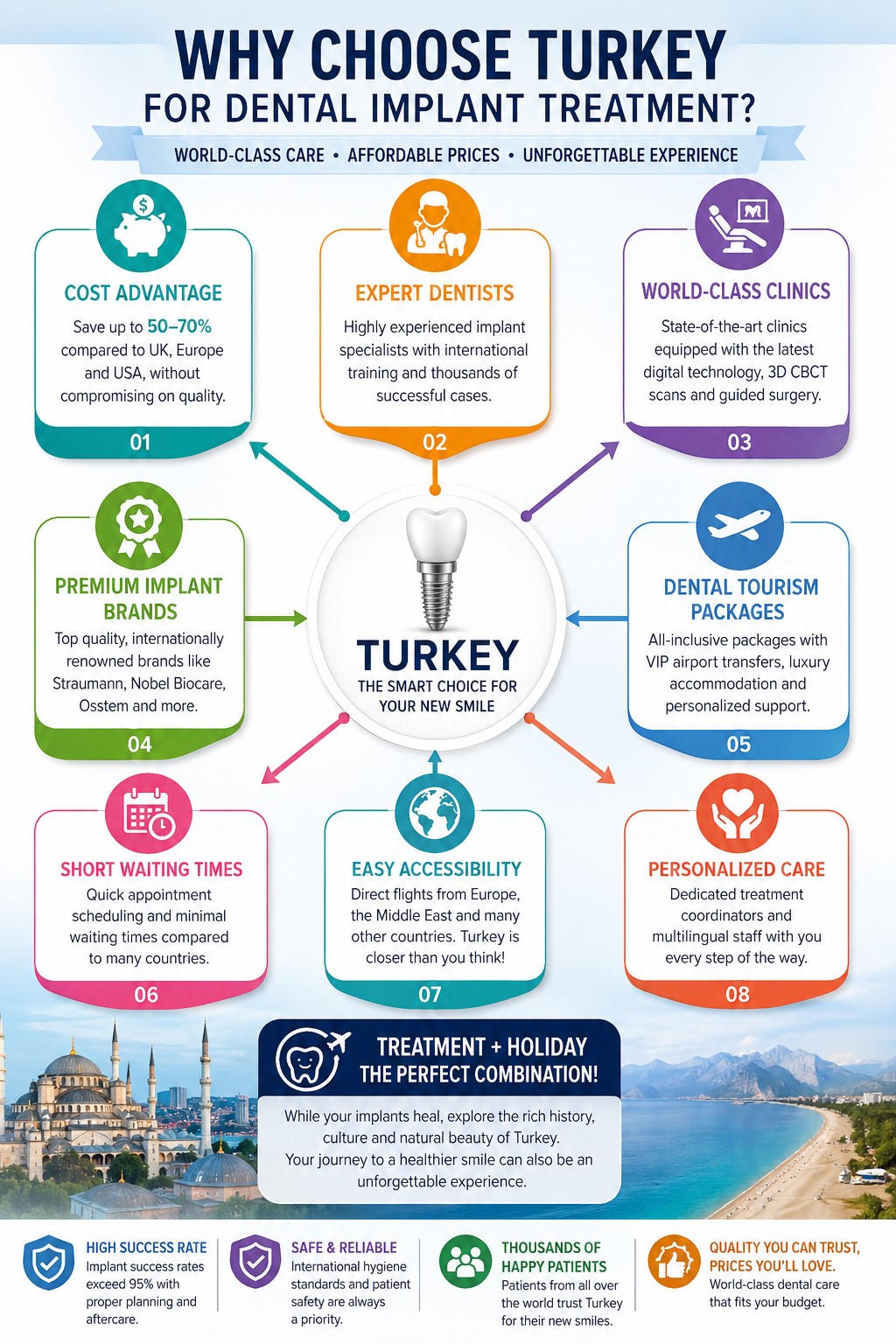
Affordable Dental Implants Compared with Western Countries
The most obvious reason for choosing Turkey is the financial advantage. Compared to countries such as the United Kingdom or the United States, patients can access high-quality dental care at prices that are often 50 to 70 percent lower.
This price difference stems not from ‘cheap’ materials, but entirely from macroeconomic factors:
- Low Operating Costs: Rent, staff salaries, and laboratory costs are significantly lower than in Western countries.
- Exchange Rate Advantage: The difference in the local currency creates significant purchasing power for international patients.
- Absence of Insurance Burden: The insurance and administrative costs that inflate prices in Western systems are absent from Turkey’s direct-payment system.
Advanced Dental Technology and Modern Clinics
Leading clinics in Turkey utilise the latest digital dentistry technologies.
- Digital Planning: Digital planning helps improve accuracy and predictability during implant placement.
- Guided Surgery: Implants are placed with millimetre precision using computer-guided templates.
- Global Brands: Reputable clinics use premium implant brands such as the world-renowned Straumann or Nobel Biocare. In other words, the same internationally recognised implant brands used in many Western countries are also available in reputable Turkish clinics.
‘All-Inclusive’ Services and Turkish Hospitality
Another factor that makes Turkey an attractive destination is the comfortable packages on offer. Many clinics go beyond the treatment itself to plan the patient’s entire trip:
- Airport Pick-up: Patients are welcomed at the airport and transferred to their accommodation in comfortable private transfers.
- Accommodation: Many clinics include stays at carefully selected partner hotels, allowing patients to recover in comfort.
- Interpreter and Treatment Coordinator: Dedicated coordinators accompany patients throughout their treatment, providing support in their own language.
Treatment and Holiday Combined
During the waiting periods required for the implants to fuse with the bone, or between treatment sessions, patients have the opportunity to explore Istanbul’s historic sites or relax on Antalya’s unique beaches. This transforms what could be a stressful process, such as dental treatment, into an enjoyable wellness trip.
What are the safety considerations for dental implants?
Although dental implant treatment is regarded as one of the most reliable restorative methods in modern dentistry, the success of this process and patient safety depend on a number of critical factors. As implants require surgical intervention, rigorous safety protocols must be followed at every stage, from pre-treatment planning through to post-operative care.
Here are the key factors that determine safety in dental implants:
Pre-Treatment Assessment and General Health Status
The first step in ensuring a safe implant procedure is a comprehensive analysis of the patient's general health status.
- Medical History: Serious cardiovascular diseases (such as a heart attack in the last 6 months), uncontrolled diabetes and immune system disorders must be carefully assessed. In patients with diabetes, it is important for the HbA1c level to be below 8 to ensure safe healing.
- Medication Use: Intravenous bisphosphonates, particularly those used for osteoporosis, may pose a risk of post-operative osteonecrosis and could therefore be a contraindication for implants. The use of anticoagulants must also be managed with the doctor's approval prior to surgery.
- Age Factor: Implants should only be placed in individuals whose jawbone development is complete (generally aged 18 and over); otherwise, the position of the implant may become compromised as growth continues.
Radiological Planning and Anatomical Safety
Avoiding damage to vital anatomical structures during the placement of implants in the jawbone is the top safety priority.
- 3D CBCT Imaging: Unlike conventional X-rays, 3D computed tomography (CBCT) displays bone density, nerve pathways and sinus cavities with detailed three-dimensional information about bone structure, nerves and sinus anatomy.
- Nerve and Sinus Protection: In the lower jaw, protection of the inferior alveolar nerve is essential to prevent permanent numbness (paraesthesia) in the lips. In the upper jaw, sufficient space must be maintained to ensure the implant does not enter the sinus cavities; if necessary, a sinus lift procedure should be performed.
Hygiene and Technique During the Surgical Phase
The protocols followed during surgery directly affect the osseointegration of the implant.
- Sterilisation: To minimise the risk of infection, clinics must use hospital-grade autoclaves and ensure the surgical site is sterile.
- Trauma-Free Technique: To protect the bone during implant placement, dentists use controlled drilling techniques with adequate cooling to prevent excessive heat generation. Heat damage can lead to the death of bone tissue and the implant becoming loose.
Lifestyle and Risk Factors
The patient's habits are the most significant external factors determining the long-term safety of treatment.
- Smoking: Smoking significantly increases the risk of implant complications and can negatively affect healing. Many dentists recommend that patients give up smoking completely both before and after surgery.
- Bruxism (Teeth Grinding): The habit of grinding one's teeth can lead to excessive stress on implants and mechanical fractures. In such patients, the use of a night guard is a safety precaution.
Implant Quality and the 'Implant Passport'
The biocompatibility of the materials used is fundamental to safety.
- Certified Products: Globally recognised brands such as Straumann and Nobel Biocare are backed by decades of clinical data.
- Traceability: A safe clinic provides the patient with an 'implant passport' containing the model, batch number and brand of every implant placed. This helps future dentists identify the implant system if follow-up care is needed.
Post-operative Care and Follow-up
Safety does not end at the operating table; meticulous care during the healing process is of vital importance.
- The First Few Days: Antibacterial mouthwashes (chlorhexidine) should be used to prevent infection, and the surgical site must not be disturbed for the first 48 hours.
- Diet: For the first 2–3 months whilst the implant is integrating with the bone, a soft diet should be followed to avoid placing excessive strain on the implants.
Dental Implant Procedure in Turkey: Step-by-Step Guide
The dental implant procedure in Turkey is a comprehensive process that combines world-class technology, specialist medical expertise and a patient-centered approach. The process typically begins with a review of the patient's medical history and concludes with the completion of the aesthetic and functional restoration.
Here are the detailed stages of the dental implant process in Turkey:
Initial Consultation and Assessment
- Clinical Examination: The gums, existing teeth and bite alignment are examined in detail.
- Advanced Imaging: Using 3D CBCT (computed tomography) scanners, which are available in most modern clinics in Turkey, the density of the jawbone, nerve pathways and sinus cavities is scanned with millimeter precision.
- Personalized Planning: Based on this data, a personalized treatment plan tailored to the patient's anatomy is drawn up.
Digital Planning and Smile Design
The digital workflow, which is the key to success, comes into play at this stage.
- Virtual Model: A 3-dimensional virtual model of the mouth is created using advanced software.
- Guided Surgery: The exact angle, depth and position where the implant is to be placed are determined prior to surgery. Surgical templates prepared using this data minimise the margin of error during the operation.
Surgical Placement Procedure
Implant placement is usually carried out under local anaesthesia, although sedation options are also available for the patient's comfort.
- Implant Placement: In accordance with the digital plan, a small pocket is created in the gum tissue, and the titanium implants, or zirconia implants are placed into the bone.
- Temporary Restoration: Particularly in cases involving a full arch or the aesthetic zone, temporary teeth may be fitted to ensure the patient is not left without teeth during the healing process.
- Suturing and Closure: Once the procedure is complete, the area is closed with sutures and left to heal.
Healing and Osseointegration
This stage involves the process of the implant fusing biologically with the jawbone (osseointegration).
- Duration: The healing process generally takes between 3 and 6 months, depending on bone quality.
- Care: Patients are advised to eat soft foods and maintain good oral hygiene during this period.
Fitting of the Abutment and Permanent Prosthesis
Once osseointegration is complete, the patient is invited to the clinic for their second appointment.
- Abutment Placement: A component called an abutment, which connects the implant to the permanent tooth, is fitted onto the implant.
- Production of Permanent Teeth: Using CAD/CAM systems, zirconia or porcelain crowns are produced to perfectly match the patient's natural tooth colour, shape and size.
- Final Restoration: The process is completed by securing the permanent teeth onto the abutments.
Travel Plan and Duration in Turkey
Treatment usually involves two separate visits:
- 1st Visit: Generally lasts between 5 and 7 days. The consultation, planning and surgical stages are completed.
- Waiting Period: A waiting period of 3–6 months is required for the implant to fuse with the bone.
- 2nd Visit: Usually lasts between 7 and 10 days. Fittings for the permanent prostheses are carried out, and the teeth are fitted.
Safety and Guarantee
Accredited clinics in Turkey provide an implant passport containing the brand, model and serial number. This document ensures that the implant can be tracked and serviced anywhere in the world. Furthermore, leading clinics provide warranties or guarantees according to their treatment policies.
Tips for a Successful Dental Implant Journey in Turkey?
- The first step towards a successful dental implant procedure in Turkey is to check whether the clinic holds an International Medical Tourism Authorisation Certificate.
- It is vital to research the clinic's reputation, read verified patient reviews on independent platforms, and inquire about the dentist's specific experience in the field of implantology.
- Before starting treatment, you should request a personalised treatment plan accompanied by a transparent, itemised quote by sharing your X-ray.
- You must find out which brand of implant will be used and confirm whether you will be provided with an implant passport containing the brand, model and serial number following the operation.
- You must remember that you will generally need to schedule two separate visits, typically 3 to 6 months apart, to allow for the osseointegration of the implants.
- To ensure a safe procedure, verifying that the clinic uses modern technologies such as 3D CBCT (computed tomography) and guided surgery helps to minimise the margin of error.
Why is it perceived that dental implants are not safe in Turkey?
The perception that dental implants are unsafe in Turkey generally stems from clickbait headlines in the media that focus on cases where things have 'gone wrong'. Given the large number of dental implant procedures performed each year, even a low complication rate can result in a statistically significant number of cases.
Another reason is the variation in quality amongst the thousands of clinics in Turkey, with some centers prioritizing volume over clinical excellence and rushing through procedures.
There is a misconception that regulations in Turkey are not on a par with those in Western countries; in reality, accredited clinics are subject to strict oversight by the Ministry of Health.
Most perceived risks actually stem not from the country itself, but from the incorrect choice of clinic based solely on price.
What are the dental implant brands in Turkey?
Accredited clinics in Turkey widely use premium and mid-range implant brands that have proven their worth worldwide.
- Premium Brands: Global market leaders such as Straumann (Switzerland), Nobel Biocare (Switzerland/USA) and Astra Tech are at the very top of the market.
- Widely Preferred Global Brands: Brands such as Zimmer Biomet, BioHorizons, Megagen, Neodent and Hiossen are frequently chosen by clinics due to their high success rates.
- Local Brands: Turkish-manufactured brands such as NucleOSS are also available as more economical yet reliable options. Patients have the right to request an implant passport, which ensures the global traceability of every implant fitted.
How much are dental implants in Turkey?
Implant prices are more affordable than in Western countries, and this difference stems not from a compromise on quality but from lower operating costs and favourable exchange rates. A single dental implant in Turkey usually costs approximately £400–£1,200 ($500–$1,500), depending on the implant brand and treatment requirements. Package prices for full-mouth restorations vary depending on the brand used:
- All-on-4 Packages: Approximately £3,000–£8,000 depending on the implant system and included services.
- All-on-6 Packages: These are priced between £4,750 and £8,600, depending on the brand. These packages generally include accommodation, airport transfers and all necessary X-ray and CT scan procedures.
What is same day dental implants in Turkey?
'Same-day implant' or 'immediate loading' is a procedure whereby a temporary crown or bridge is fitted on the same day the implant is placed. This method enhances the patient's quality of life by enabling them to regain chewing function and restore aesthetics immediately after the operation. However, for this procedure to be carried out, the implant must possess a high initial stability (typically a torque value of 35–40 N cm) upon placement in the bone.
Particularly in full-mouth restorations, All-on-4 techniques may reduce the need for extensive bone grafting, ensuring patients do not remain edentulous. This method may not be suitable for every patient; the dentist must first analyse bone quality with a high degree of precision using 3D scans.
Is getting dental implants in Turkey worth it? & What are the advantages of going to Turkey for an implant?
Having dental implants fitted in Turkey offers significant value for money, both financially and clinically. The greatest advantage is being able to receive world-class treatment at a fraction of the cost in the US or the UK. Due to the high volume of medical tourism, Turkish implantologists have the opportunity to treat far more patients and develop their surgical skills to a much greater extent than their counterparts abroad.
Leading clinics offer success rates of over 95–98 percent by utilising the latest technologies, such as digital smile design and guided surgery. Thanks to 'all-inclusive' packages, patients are spared the stress of accommodation and travel whilst having the opportunity to explore Turkey's cultural and natural beauty during any waiting periods. When the right clinic is chosen, Turkey is one of the most sensible destinations for a safe, quick and lifelong smile.
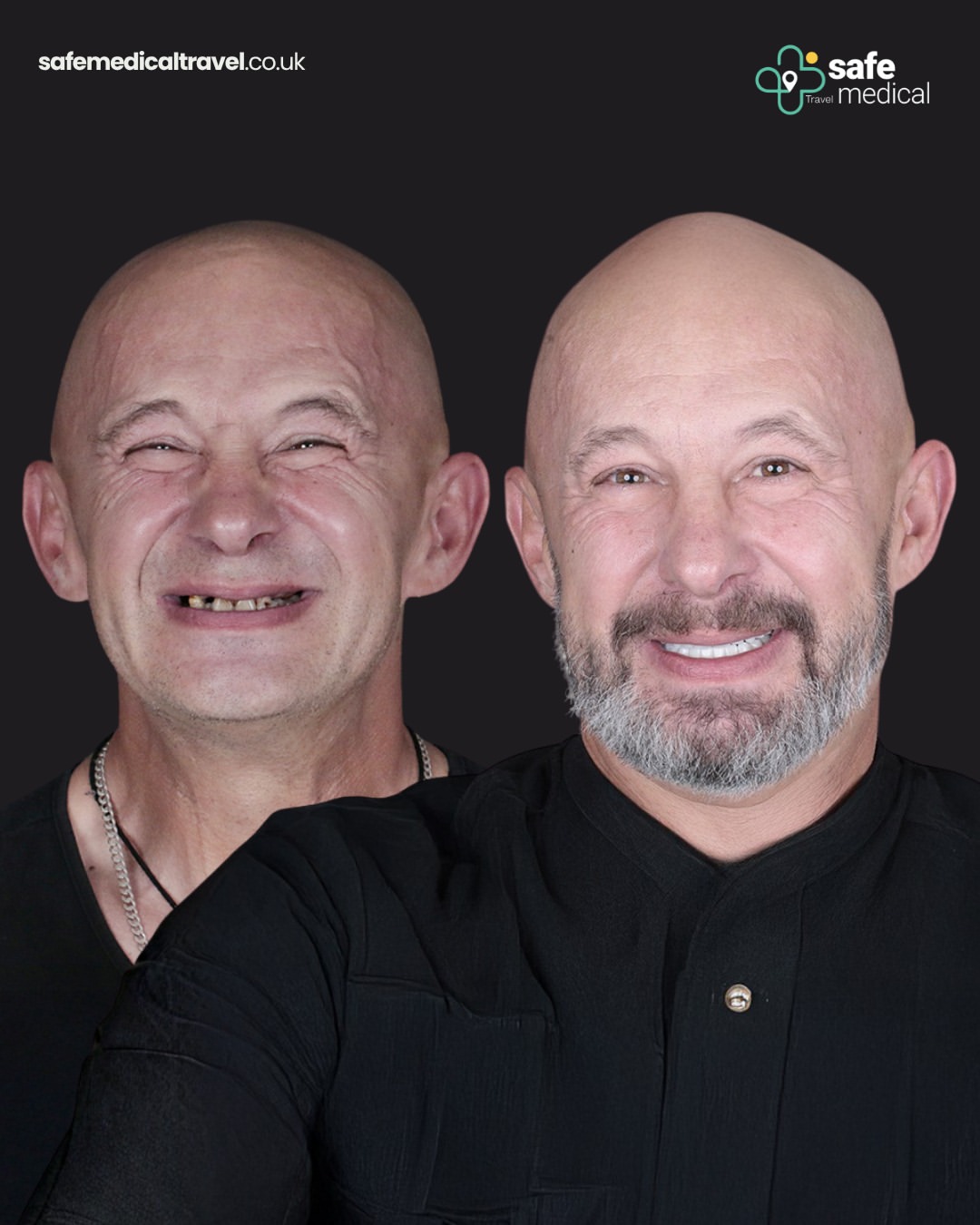
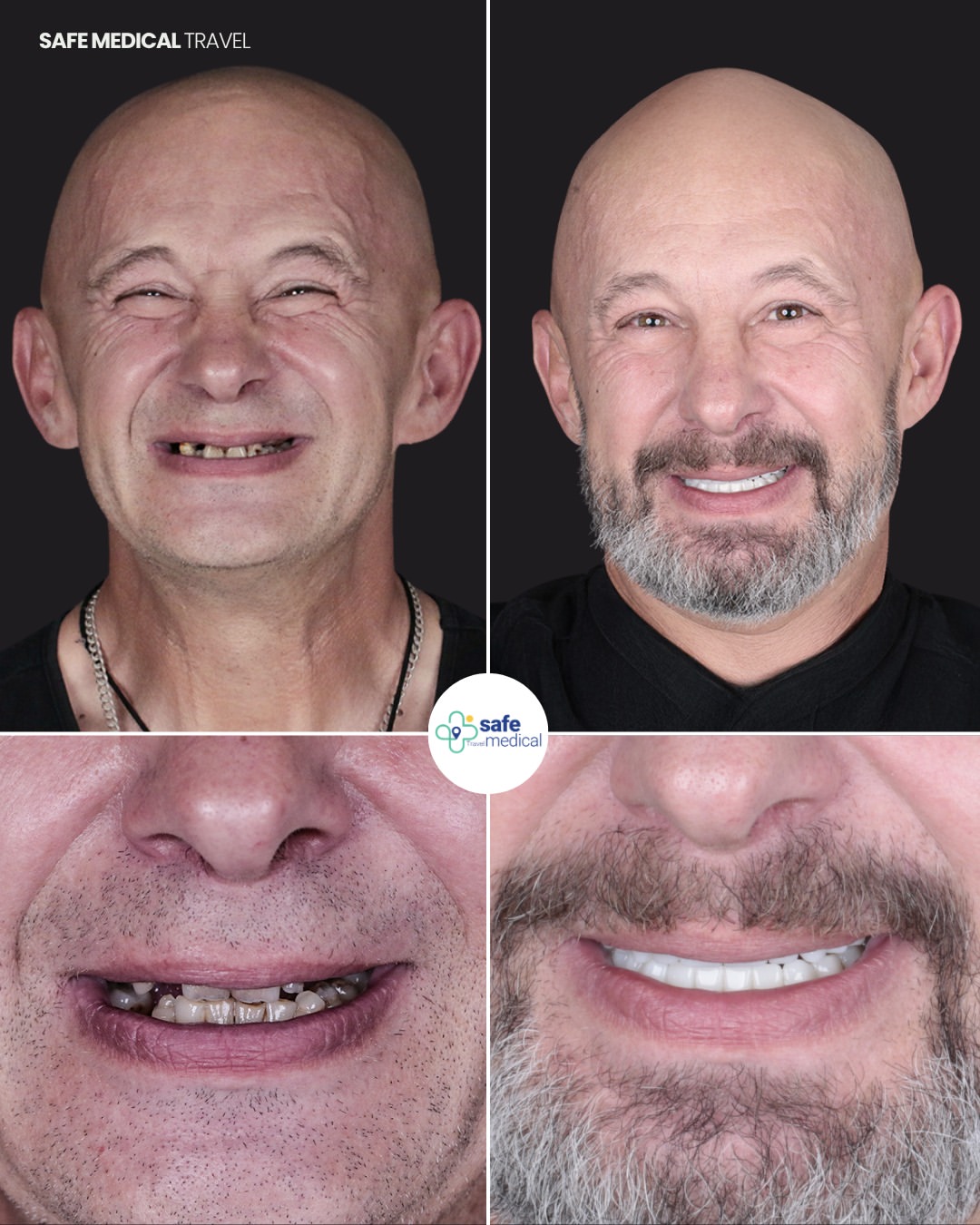
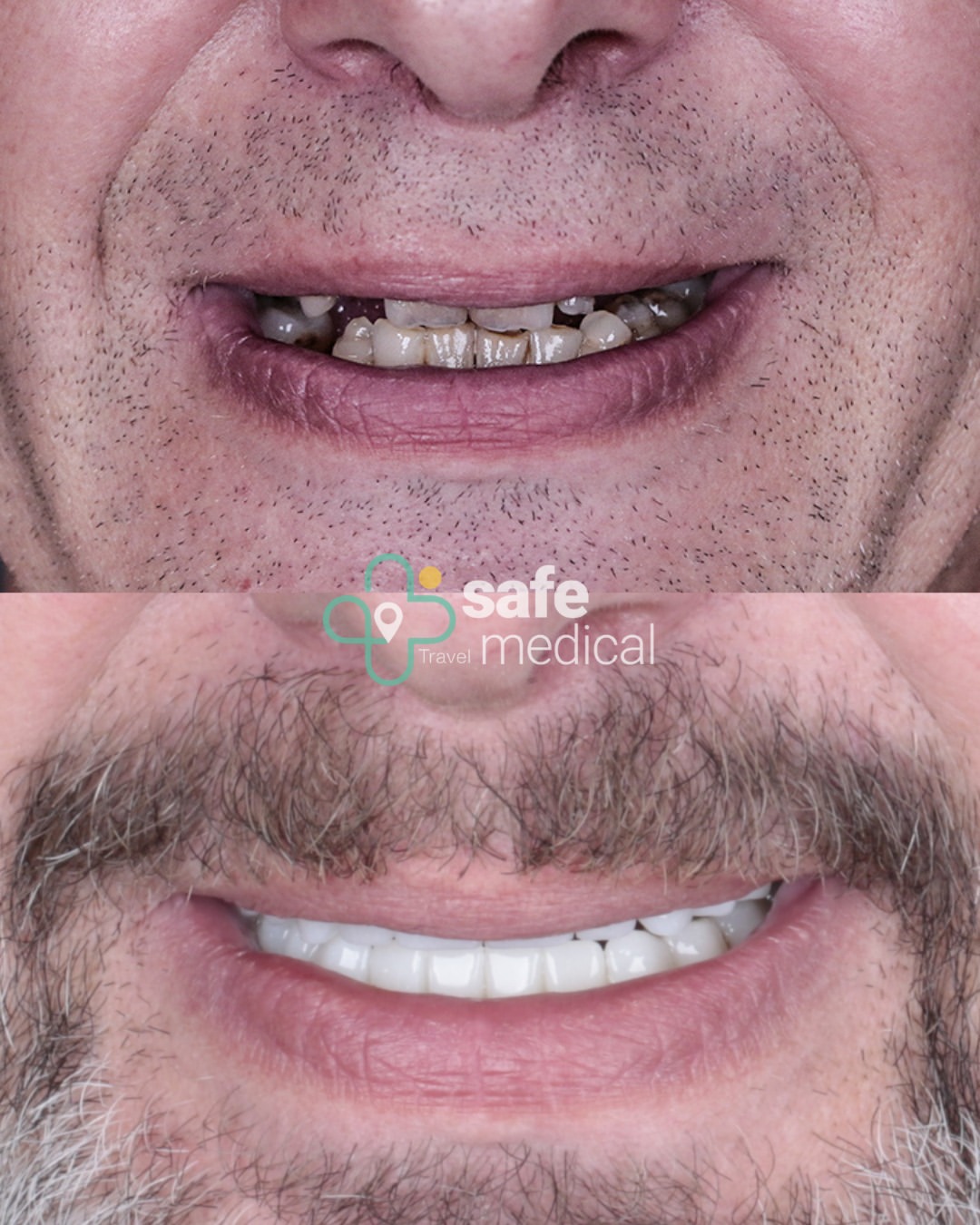
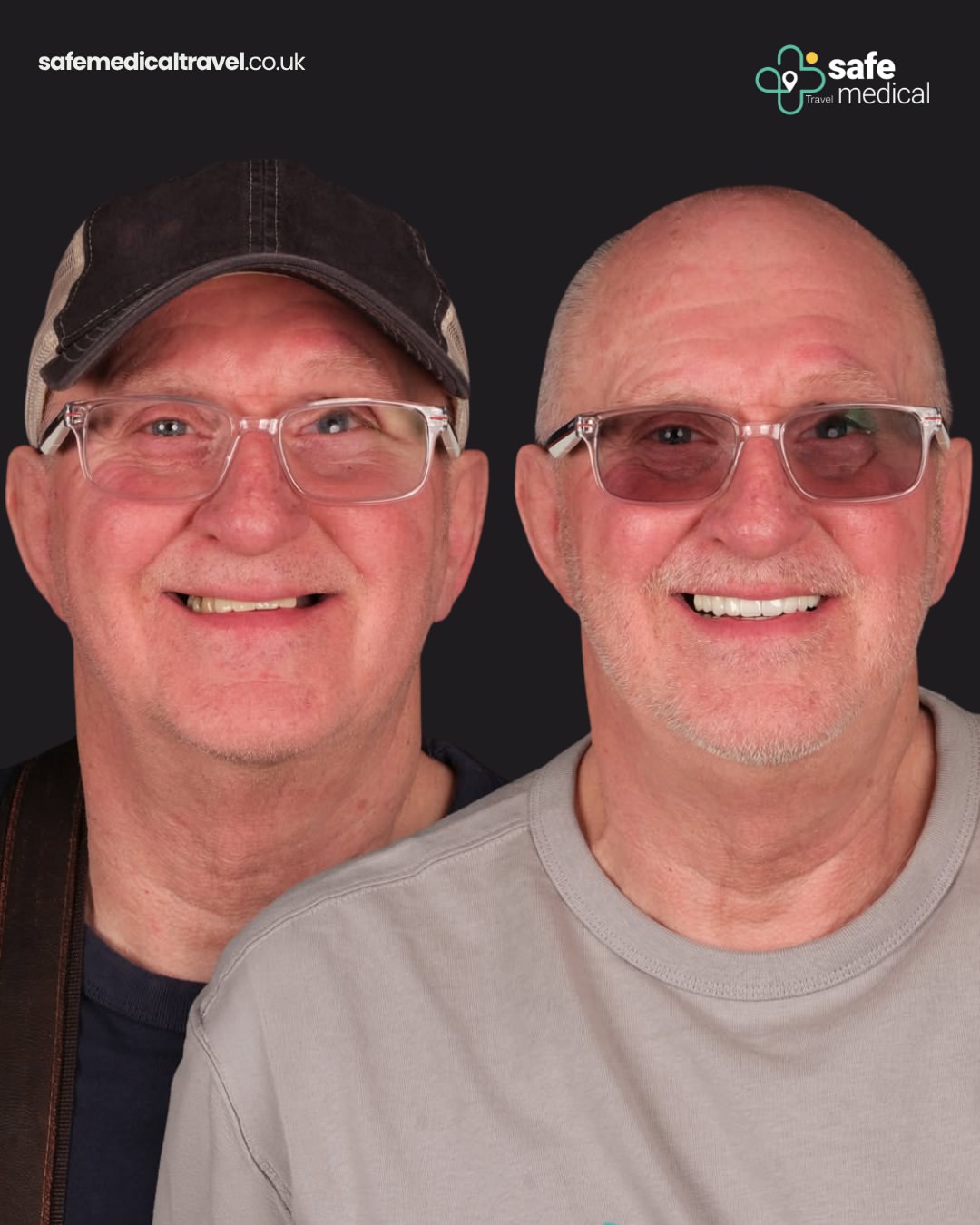
Dental Implants Before and After in Turkey
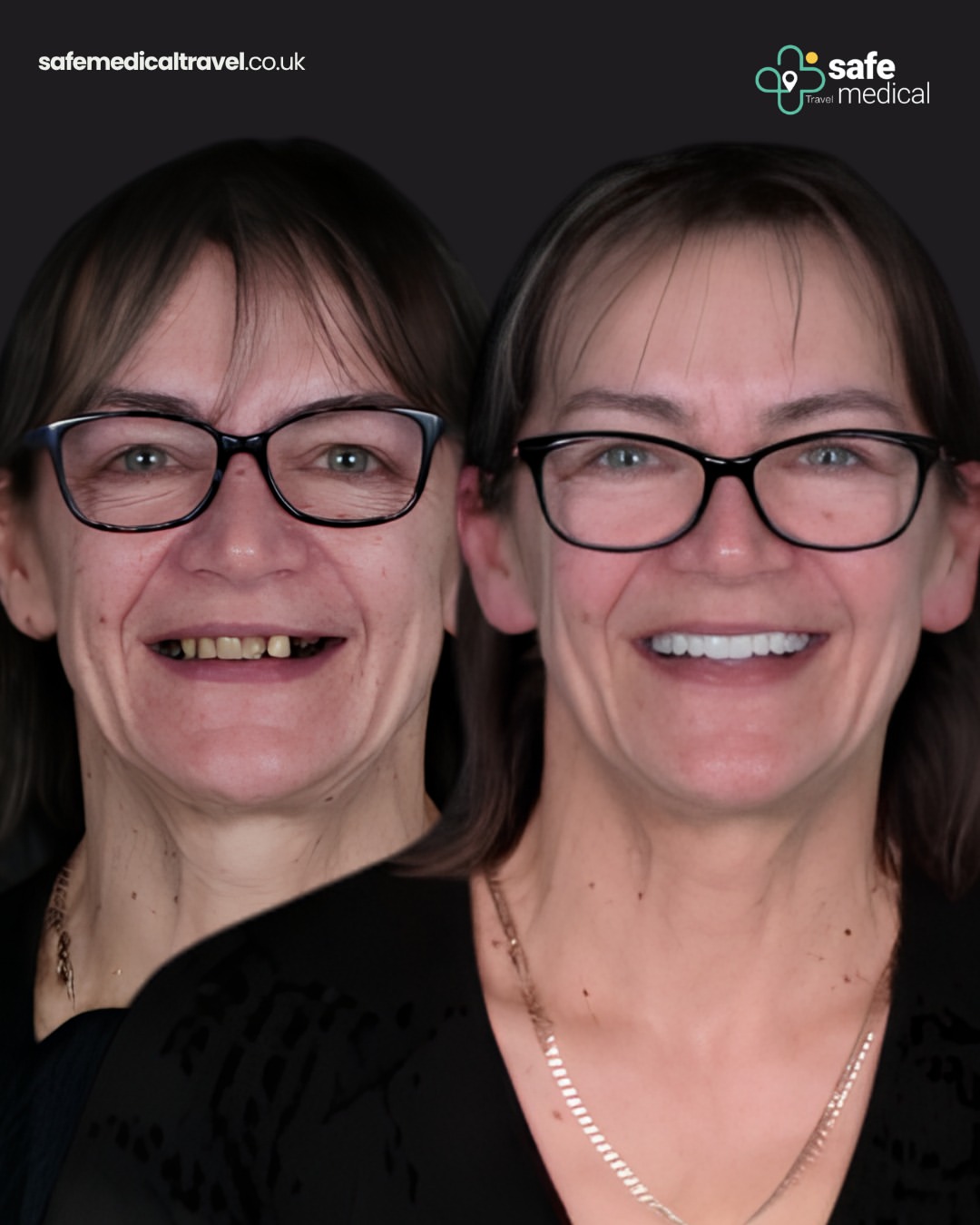
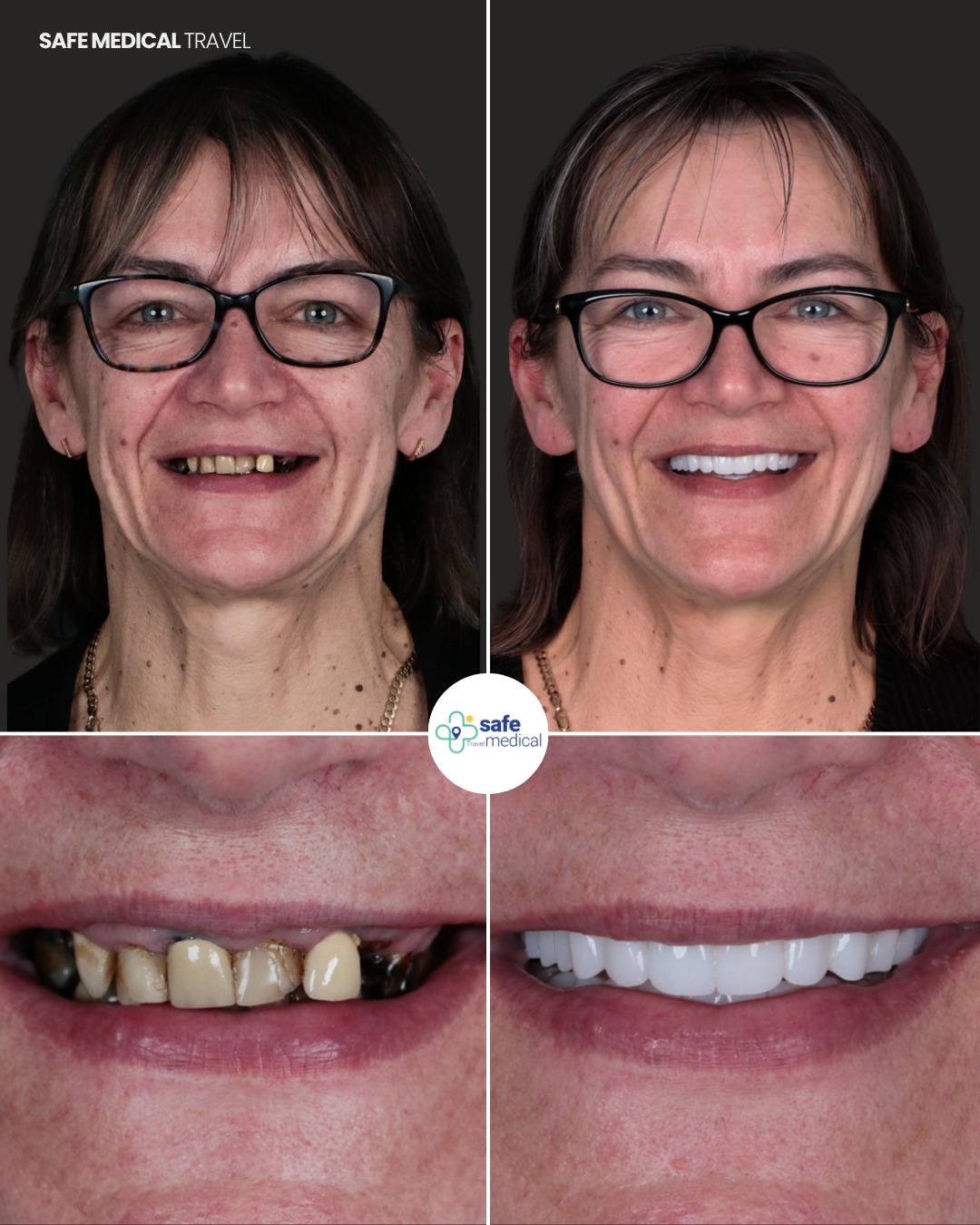
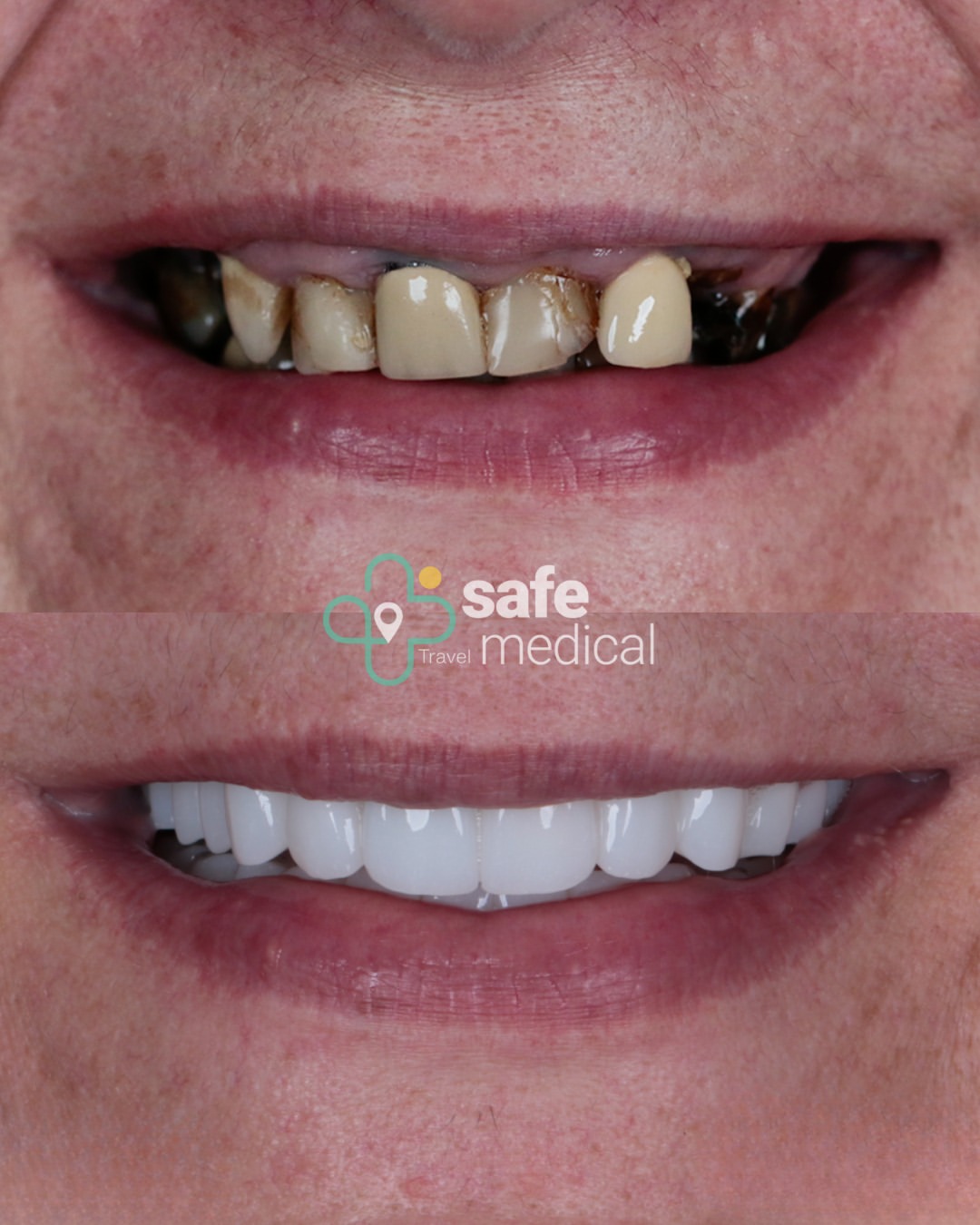
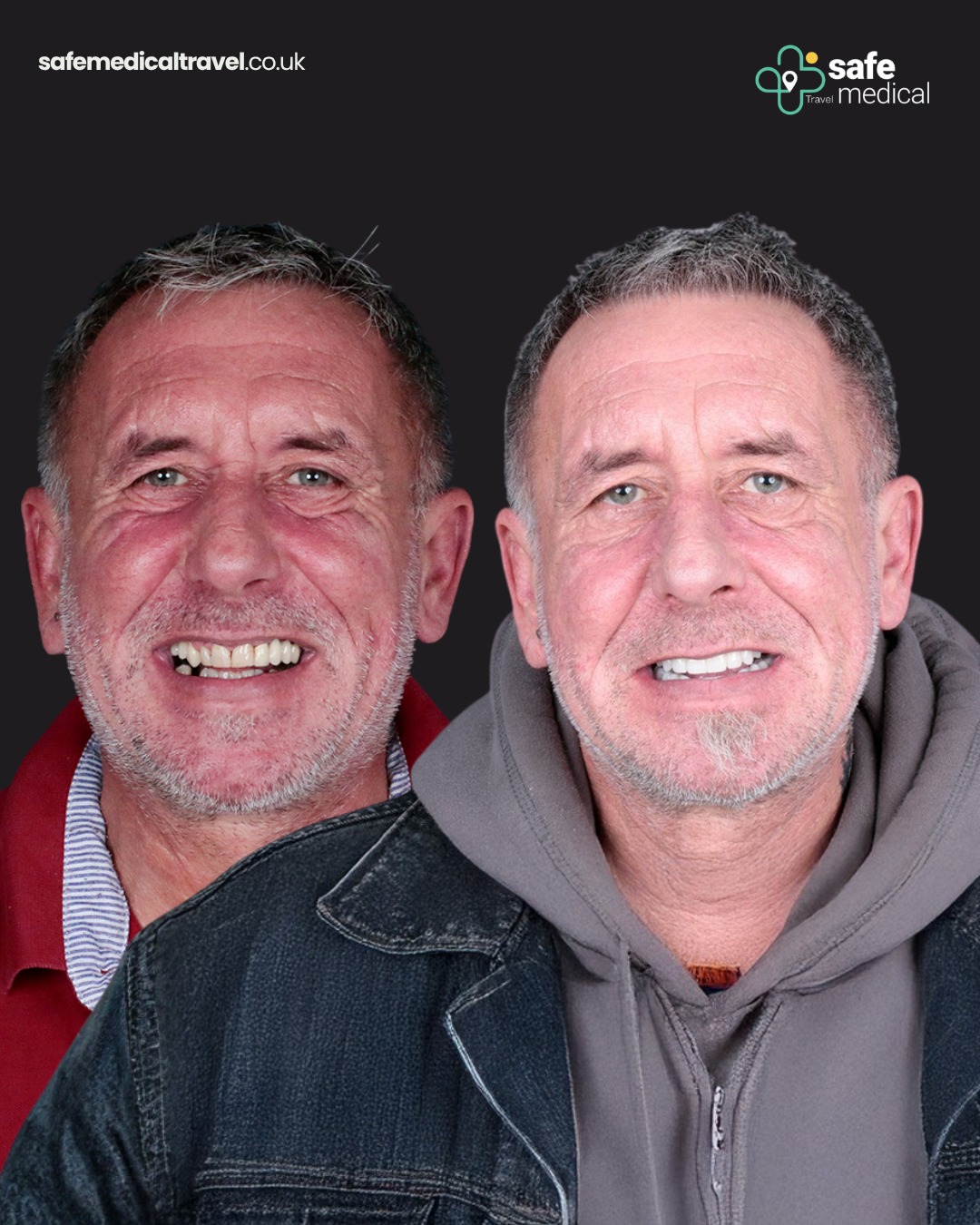
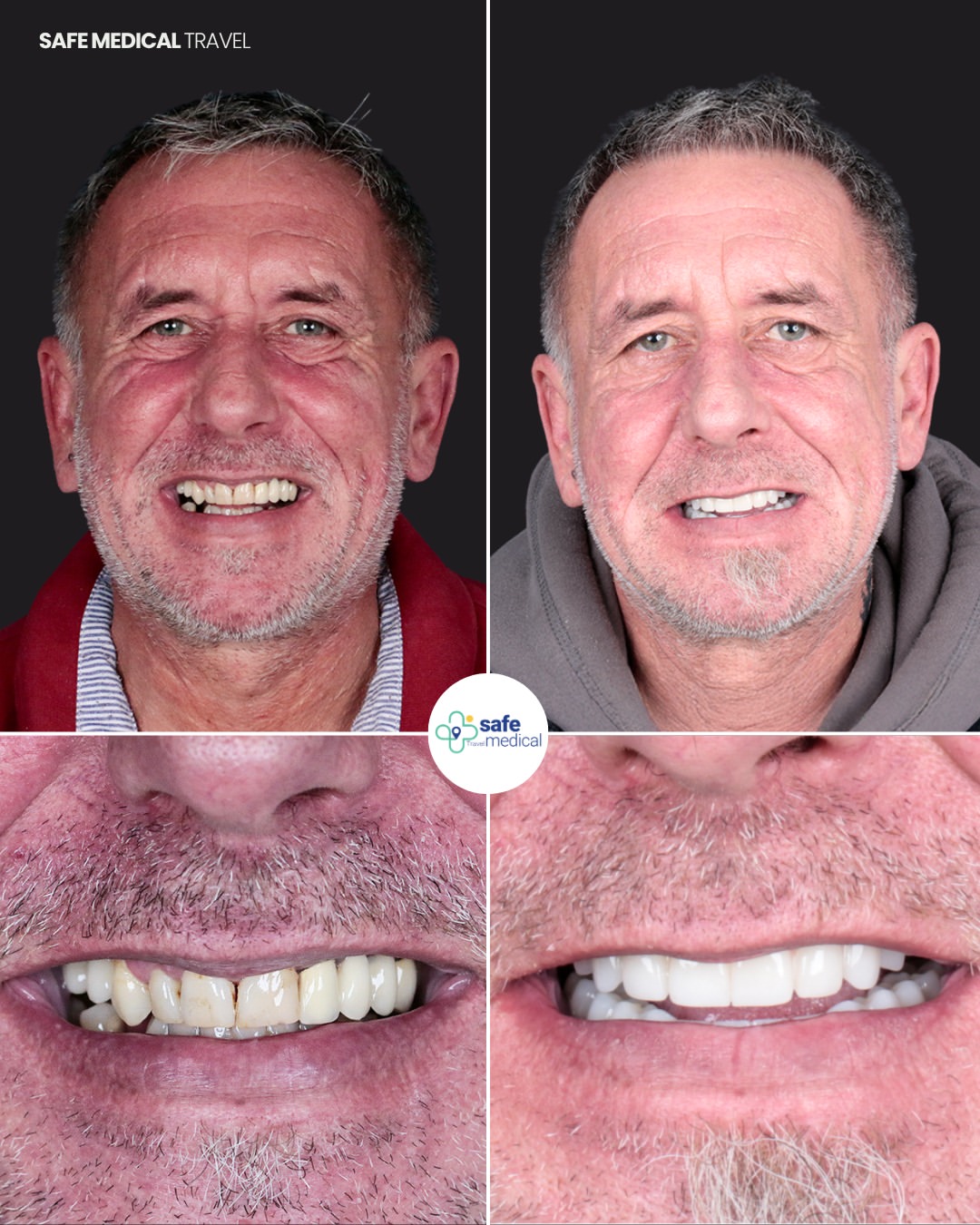
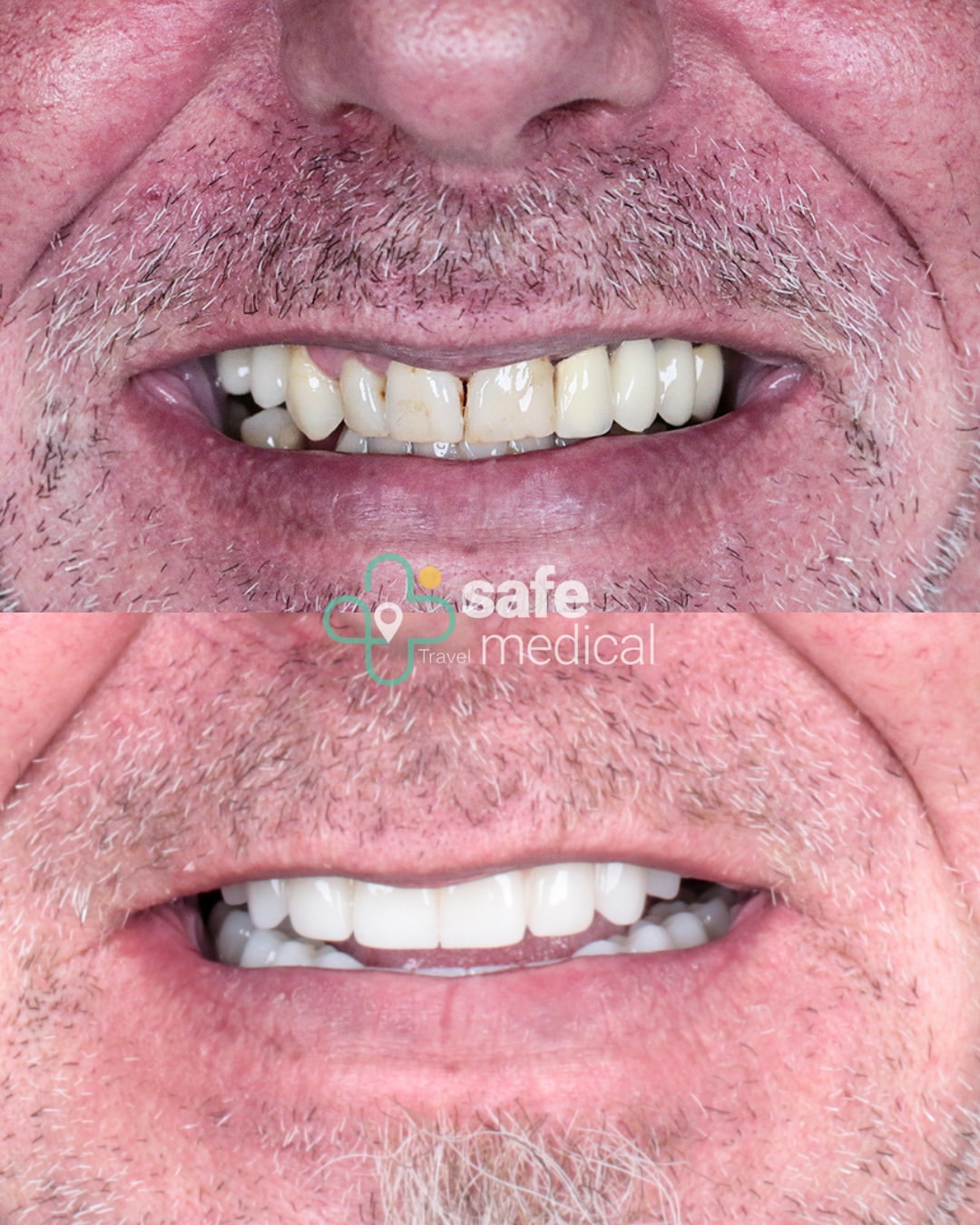
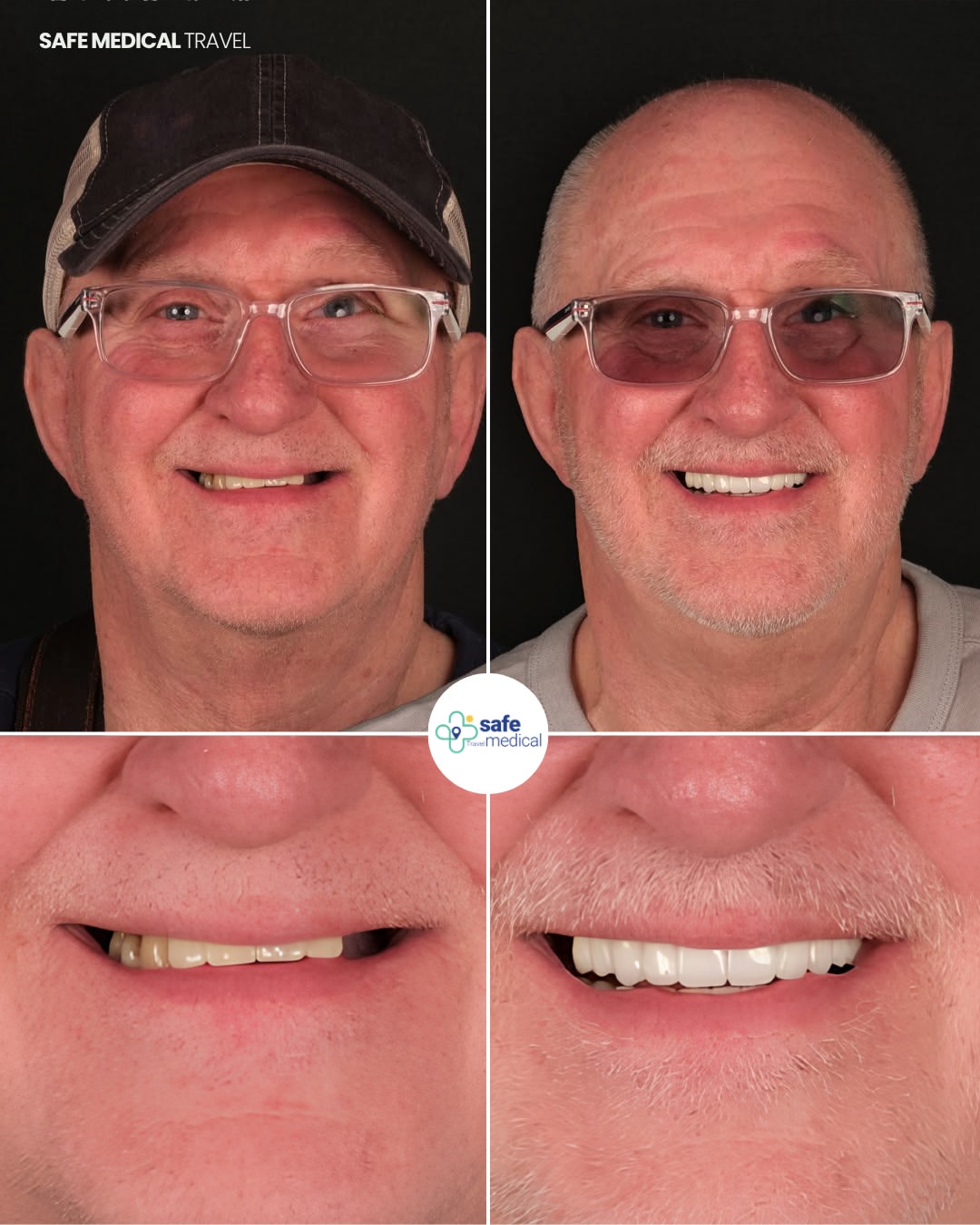
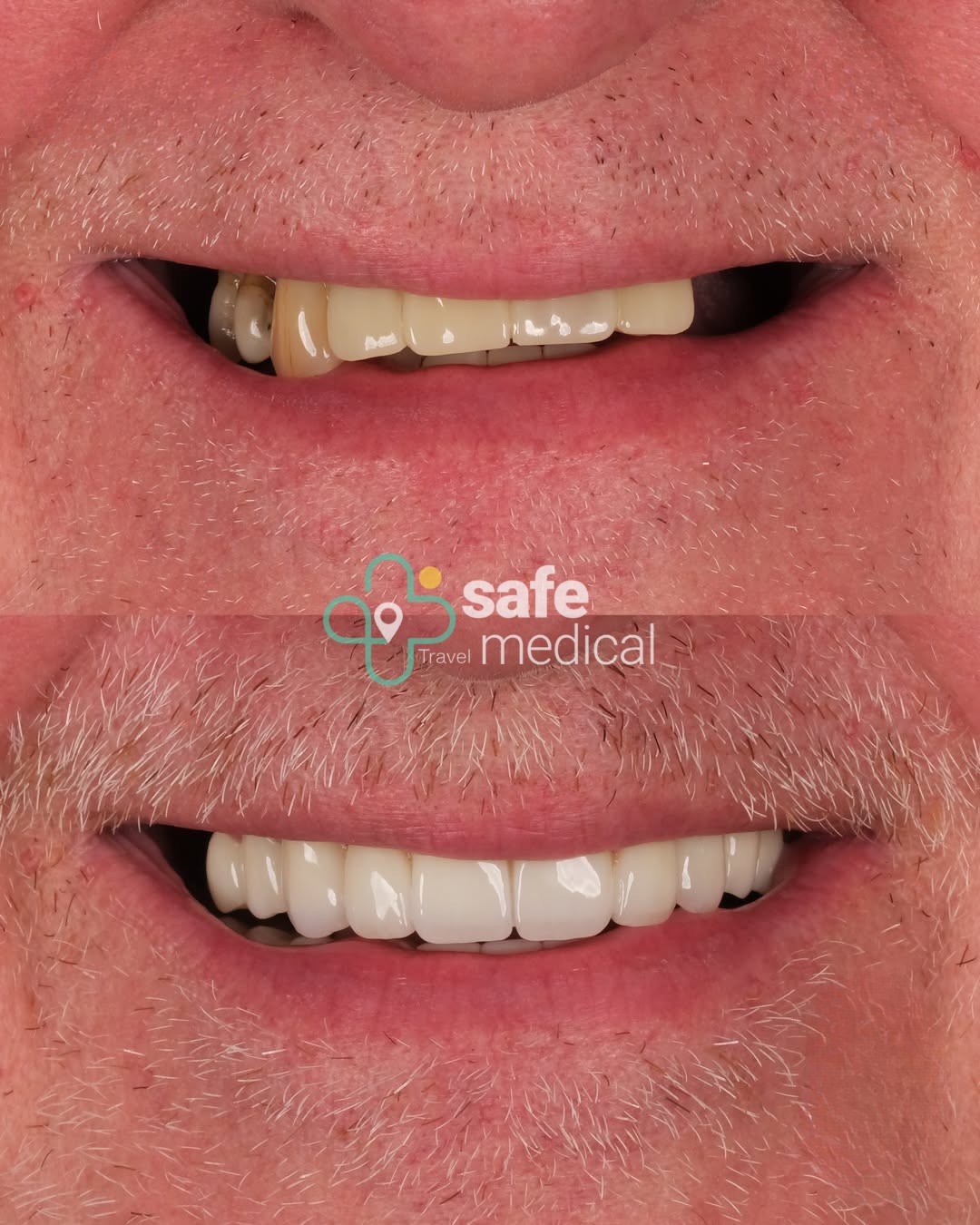
Dental Implant Turkey Review
Our patient's decision to undergo dental implant treatment was a step toward reclaiming the comfort, confidence, and freedom to enjoy everyday moments again.
From his first inquiry to the completion of his journey, Safe Medical Travel provided attentive guidance, clear communication, and a well-organized experience every step of the way.
Today, he carries home more than a renewed smile—he carries the happiness of making a decision that truly transformed his daily life.
Our patient's journey with dental implants and zirconium crowns was designed to restore not only the appearance of her smile but also its comfort, function, and durability.
Through advanced treatments, expert care, and a personalized approach, she achieved a natural-looking result that allows her to smile with confidence again.
Every transformation is a unique journey, and her new smile is a reflection of renewed confidence and lasting happiness.
Our patient's dental implant treatment was more than a dental journey—it was a step toward renewed confidence and everyday comfort.
With attention to every detail and continuous support throughout his stay, the Safe Medical Travel team helped turn his experience into a smooth and memorable one.
A fresh start, a stronger smile, and a confidence that shines naturally.
Frequently Asked Questions
It combines significantly lower prices with high patient volumes that give specialists extensive hands-on experience, modern technology like 3D CBCT and guided surgery, and clinics that operate under Ministry of Health oversight — a combination that's hard to match elsewhere at the same price point.
Yes, at accredited clinics that follow proper protocols. Safety depends far more on choosing the right clinic than on the country itself — reputable clinics use sterile surgical environments, certified implant brands, and provide an implant passport for traceability. Most negative perceptions stem from patients choosing clinics based purely on price rather than credentials.
Mainly lower operating and labor costs, favourable exchange rates, and high clinic volume — not a reduction in quality. Many clinics use the same premium implant brands (Straumann, Nobel Biocare) found in Western countries.
Two visits are typically required: the first (5–7 days) covers consultation, planning, and surgery; then a 3–6 month healing period for osseointegration; followed by a second visit for fitting the permanent teeth.
The exact timeline depends on bone condition, the number of implants required and whether additional procedures such as bone grafting are needed.
Most all-inclusive packages cover the implants themselves, X-rays and CT scans, accommodation, and airport transfers. Some also include a translator or patient coordinator, though exact inclusions vary by clinic — it's worth confirming this in writing beforehand.
Yes, and many patients do exactly that — particularly during the waiting period between the two visits or around the shorter recovery days, which leaves time to explore places like Antalya's coastline while treatment progresses.
For many patients, yes — the savings are substantial and the clinical standards at accredited clinics are comparable to Western countries. That said, it's worth doing your research on the specific clinic rather than assuming location alone guarantees quality.
You will not need to stay for the entire healing period, but you will need to plan for two separate visits.
The typical process is that you travel for your first visit (usually 5-7 days), where the implants are surgically placed. Thereafter, you're free to go home while the implants fuse with your jawbone, a process that takes about 3 to 6 months. You don't need to stay in Turkey during this waiting period. Once healing is complete, you'll need to return for a second visit (usually 7-10 days) to have the permanent crowns or bridge fitted.
So in total, you're looking at two separate trips rather than one long stay—which is actually one of the reasons the "combine it with a holiday" appeal works, since each visit is fairly short rather than requiring months away from home.